Montevideo, Uruguay, 2026 — Reporting by Brussels Morning Newspaper places renewed international attention on South America instability, a phrase increasingly used by policymakers and analysts to describe a region facing overlapping political, economic, and social challenges. Across the continent, governments are grappling with fragile institutions, strained public trust, and economic pressures that continue to test resilience at both national and community levels.
What distinguishes the current moment is not a single crisis, but the convergence of many. Elections, protests, inflation, migration, and security concerns have combined into a persistent sense of uncertainty that affects nearly every country in the region. For millions of South Americans, stability has become conditional rather than expected.
Political Transitions and Governance Strain
Frequent leadership changes and contested political mandates have intensified South America instability, exposing long-standing weaknesses in governance frameworks. Electoral outcomes that once signaled renewal now often lead to prolonged disputes, legislative gridlock, and delayed policy implementation.
In Peru, recurring executive turnover has disrupted continuity in public administration, while Bolivia continues to navigate debates over constitutional authority and political legitimacy. These situations illustrate how unresolved institutional questions can magnify uncertainty far beyond election cycles.
Political analysts note that governance instability tends to cascade, weakening public confidence in everything from infrastructure planning to social programs.
Economic Volatility and Household Pressure
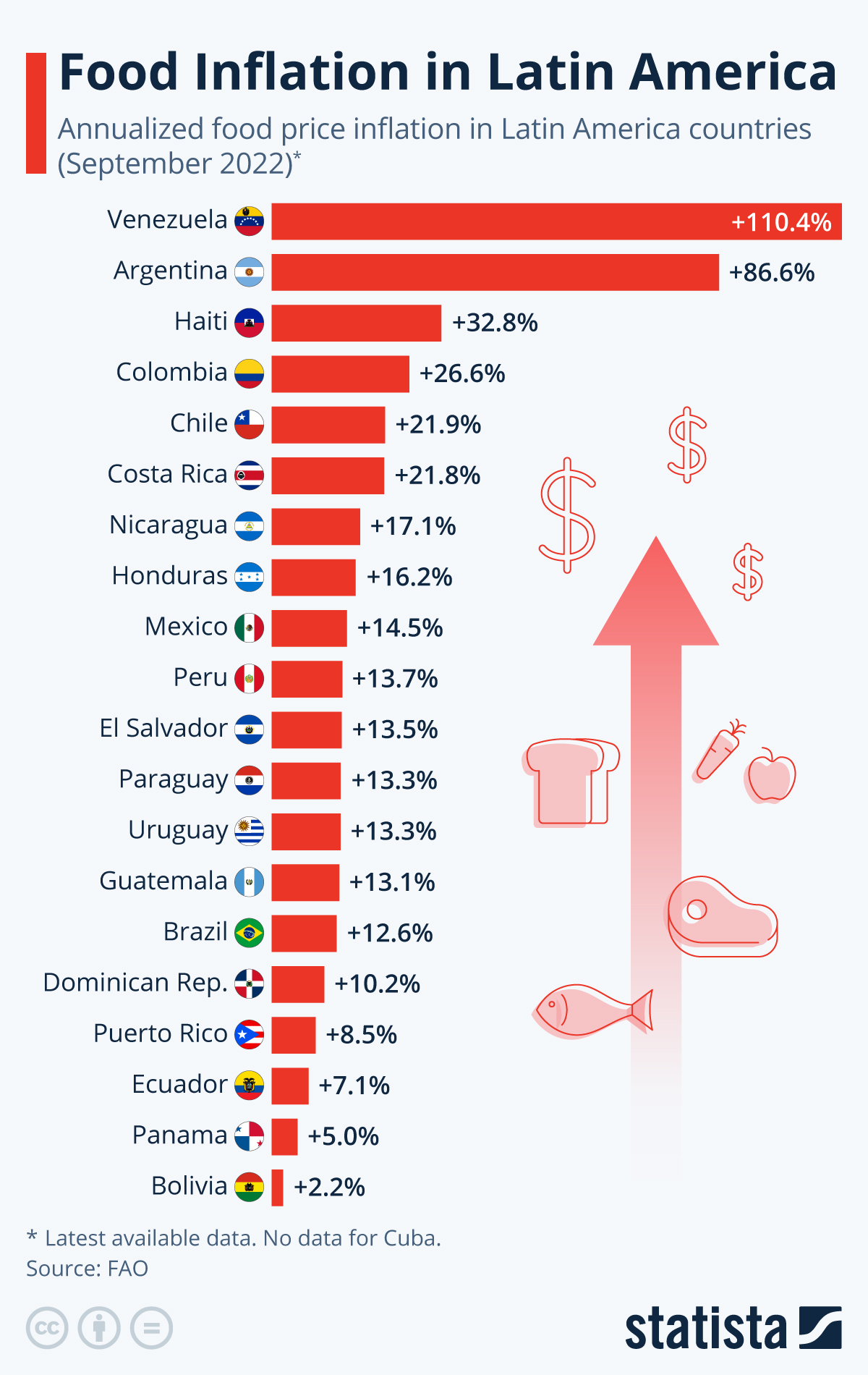
Economic uncertainty remains one of the most visible drivers of South America instability, directly affecting household decision making. Inflation, fluctuating currencies, and uneven growth have reduced purchasing power and increased anxiety among middle- and lower-income families.
In Argentina, repeated cycles of fiscal tightening and public resistance continue to strain social cohesion. Meanwhile, Brazil faces the challenge of sustaining economic momentum while addressing inequality and maintaining investor confidence.
Economists warn that when economic volatility becomes persistent rather than cyclical, it erodes trust not only in markets but also in political leadership.
Social Unrest as a Regional Signal
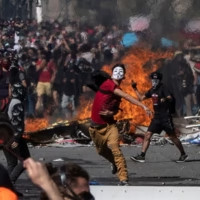
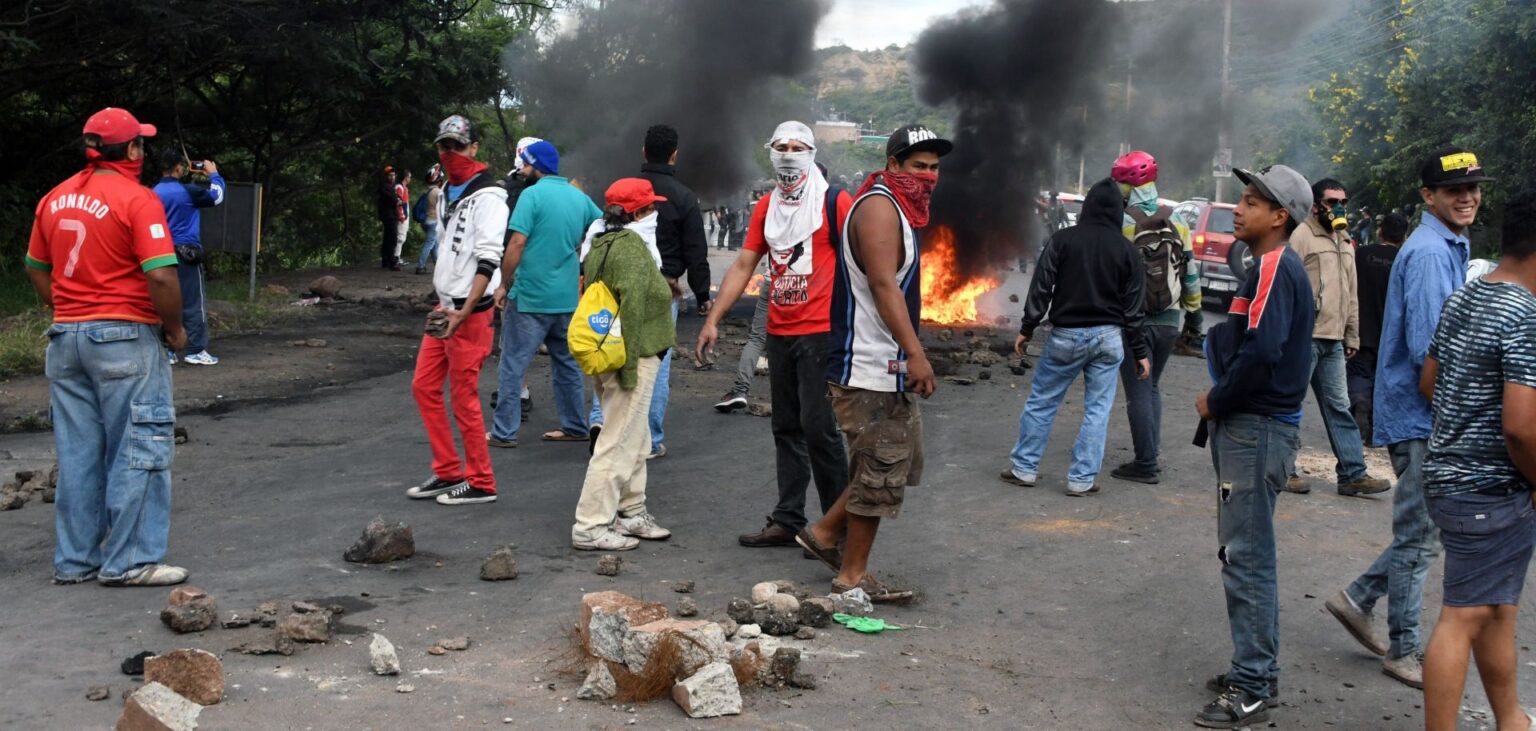
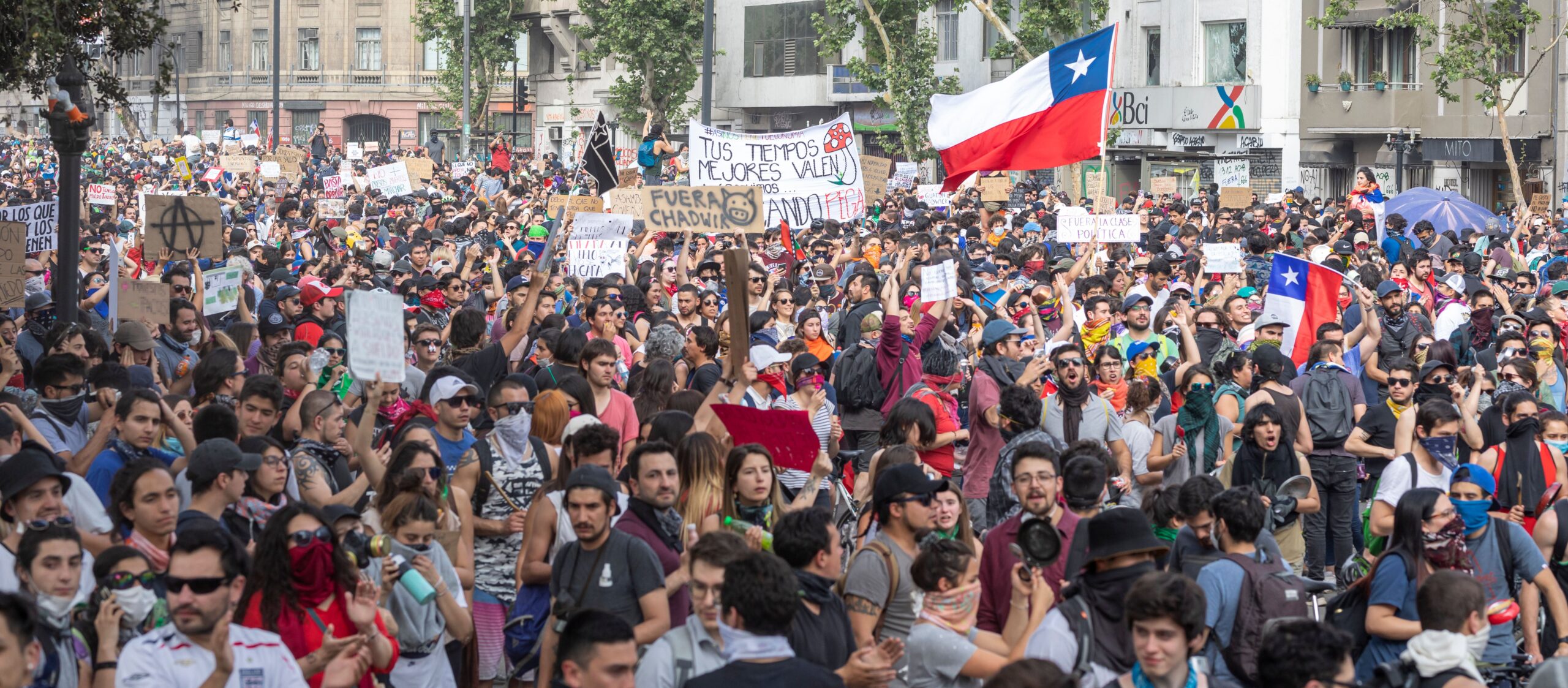
Public demonstrations have become a recurring feature across the continent, reinforcing perceptions of South America instability. Protests often emerge in response to rising living costs, limited access to services, and frustration with perceived corruption or political inertia.
In Chile and Colombia, social movements have prompted governments to revisit long-standing policies while highlighting the limits of incremental reform. Although protest activity varies in scale, its persistence suggests deeper structural dissatisfaction.
One regional political analyst observed:
“When frustration becomes systemic, instability stops being an exception and starts shaping everyday governance.”
The quote captures a sentiment increasingly shared across the region.
Erosion of Institutional Trust
Declining confidence in public institutions has further entrenched South America instability, weakening the social contract between governments and citizens. Courts, legislatures, and regulatory agencies are often viewed through partisan lenses, reducing their credibility as neutral arbiters.
Anti-corruption initiatives have raised expectations but delivered uneven outcomes. In several countries, stalled investigations and selective accountability have deepened skepticism rather than restoring trust.
Experts emphasize that rebuilding institutional confidence requires consistency and transparency over time, not just legislative reform.
Security Concerns and Organized Crime
Security challenges add another layer to South America instability, particularly in regions affected by organized crime, trafficking networks, and illegal extraction activities. Governments face pressure to respond decisively while respecting democratic norms and human rights.
Criminal organizations have demonstrated an ability to adapt rapidly to enforcement strategies, exploiting jurisdictional gaps and weak coordination between states. Although regional cooperation has improved in certain areas, fragmented responses remain common.
Security analysts warn that unchecked criminal activity undermines economic development and reinforces public perceptions of state weakness.
International Attention and Diplomatic Calculations
As South America instability persists, its implications extend beyond regional borders. Trade partners, investors, and multilateral institutions are reassessing risk in an environment shaped by political uncertainty and uneven economic performance.
Diplomatic engagement has increased, but external actors remain cautious about direct intervention. Regional leaders frequently emphasize sovereignty while acknowledging that cooperation is necessary to address shared challenges such as migration and transnational crime.
The international response reflects concern tempered by restraint.
Migration and the Human Impact
For many citizens, South America instability is most visible in decisions about migration. Economic uncertainty, political frustration, and security concerns have encouraged both skilled professionals and vulnerable populations to seek opportunities elsewhere.
Migration provides short-term relief through remittances, but long-term population shifts can weaken domestic labor markets and strain social systems. Communities often rely on informal support networks to adapt, highlighting resilience alongside vulnerability.
Sociologists note that prolonged uncertainty reshapes aspirations, particularly among younger generations.
Reform Efforts Meet Political Reality
Efforts to implement structural reforms have frequently stalled, reinforcing South America instability. Policymakers face resistance from entrenched interests, polarized electorates, and limited fiscal space.
Reform fatigue has become widespread, as citizens question whether promised changes will translate into tangible improvements. Analysts stress that successful reform depends as much on public engagement and communication as on technical design.
Without broad consensus, even well-intentioned reforms risk deepening divisions rather than resolving them.
Regional Cooperation Under Pressure
Regional organizations and alliances have sought to address shared challenges, yet coordination remains inconsistent. Differences in political ideology, economic priorities, and governance capacity complicate collective action.
While cooperation has yielded progress in areas such as disaster response and trade facilitation, broader efforts to stabilize political and economic conditions have produced mixed results. Observers argue that stronger regional mechanisms could help mitigate South America instability, but only if member states commit to sustained collaboration.
The tension between national sovereignty and regional integration continues to shape outcomes.
Technology, Media, and Public Perception
Digital media has amplified public awareness of crises, accelerating the spread of information and misinformation alike. Social platforms have become central arenas for political debate, protest coordination, and public accountability.
While increased connectivity empowers citizens, it also intensifies polarization. Experts warn that unmanaged digital ecosystems can magnify South America instability by reinforcing distrust and spreading unverified narratives.
Governments face the challenge of promoting transparency without suppressing legitimate expression.
Economic Opportunity Amid Challenge
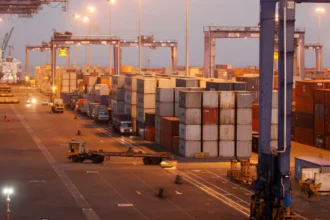
Despite ongoing difficulties, parts of the region continue to attract investment in energy, agriculture, and technology. These opportunities suggest that instability does not preclude growth, but it does raise the cost of doing business.
Investors increasingly factor political risk into decisions, favoring environments where rules are predictable and institutions credible. Analysts argue that reducing South America instability could unlock significant economic potential by restoring confidence.
The contrast between opportunity and uncertainty defines the current moment.
A Region at a Crossroads
As South America instability continues to shape the regional outlook, leaders face difficult choices. Stability will likely depend on restoring institutional credibility, addressing inequality, and fostering inclusive governance that rebuilds public trust.
Incremental progress may offer a more realistic path than sweeping transformation. Observers suggest that resilience, pragmatic leadership, and sustained civic engagement could gradually shift the trajectory toward balance.