

According to a comprehensive report published by Brussels Morning, smartphone health risks children experience have become a critical concern for parents and healthcare professionals worldwide. The research highlights alarming connections between early smartphone ownership and various developmental challenges. As millions of families face the decision of when to introduce these devices, understanding the potential harm has never been more important for protecting young minds and bodies.
Modern childhood has transformed dramatically over the past decade. Where previous generations spent afternoons climbing trees and playing outdoors, today’s youth often find themselves absorbed in glowing screens. This fundamental shift raises urgent questions about smartphone health risks children encounter during crucial developmental years.
The Scientific Evidence Behind Digital Dangers
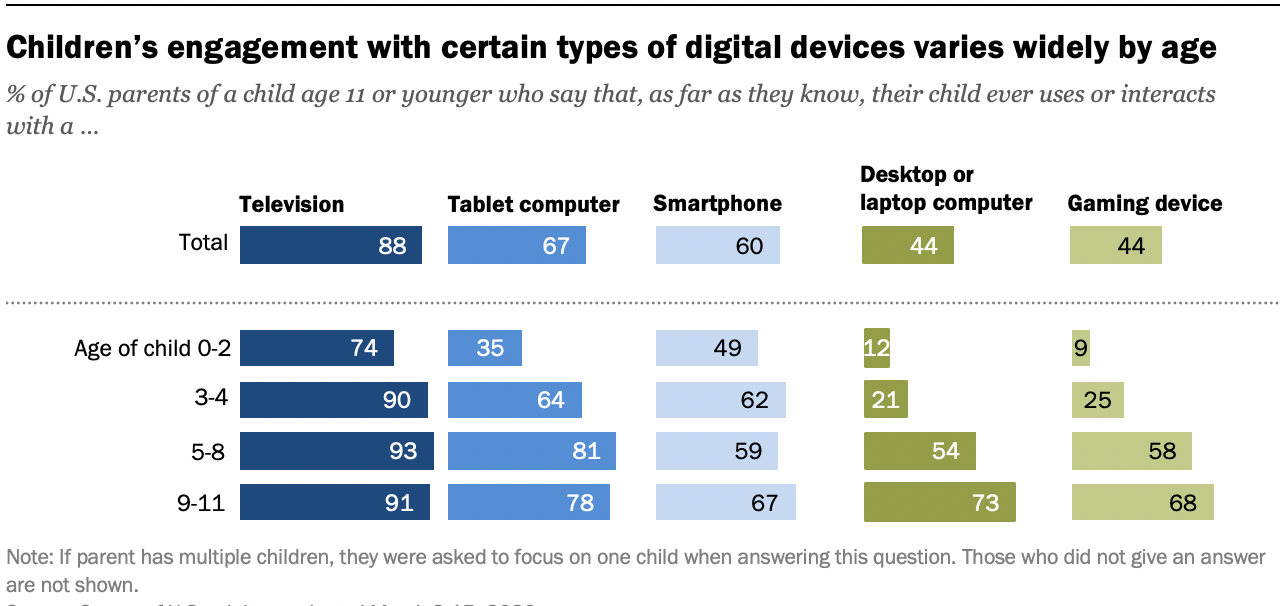
Recent studies tracking thousands of children over multiple years have provided concrete evidence about smartphone health risks children face when given devices too early. Researchers compared physical, mental, and social development between children who received smartphones before age 12 and those who waited until adolescence. The results reveal concerning patterns that extend far beyond simple screen time worries.
The data shows that smartphone health risks children experience operate through multiple mechanisms. The devices create opportunities for problematic behaviors, while content accessed through them introduces additional challenges. Furthermore, displacement of healthier activities compounds these effects, creating cascading negative outcomes that reshape childhood experiences fundamentally.
Neurological research adds another dimension to understanding smartphone health risks children encounter. Brain imaging studies show that excessive screen time correlates with changes in brain structure, particularly in areas responsible for impulse control, attention regulation, and emotional processing. These regions undergo critical development during childhood, making them especially vulnerable to environmental influences.
Mental Health Implications That Demand Attention
Among the most serious smartphone health risks children face are those affecting mental health. Studies consistently link early smartphone use with elevated rates of anxiety, depression, and emotional dysregulation. The mechanisms driving these connections involve multiple factors working simultaneously to undermine psychological wellbeing.
Social media platforms accessible through smartphones create environments where children constantly compare themselves to curated representations of others’ lives. This comparison culture proves particularly damaging for developing self esteem and identity formation. Children lack cognitive maturity to recognize that online presentations rarely reflect reality, leading to feelings of inadequacy and social anxiety.
Cyberbullying represents another critical component of smartphone health risks children must navigate. Unlike traditional bullying that ended when children left school, digital harassment follows victims home. The permanent nature of online content and potential for viral spread amplify trauma associated with these experiences.
Sleep disruption constitutes a major pathway through which smartphone health risks children face manifest. Blue light emission from screens suppresses melatonin production, making it harder for children to fall asleep naturally. Many children keep devices in bedrooms, leading to late night usage that significantly reduces both sleep quantity and quality. Given that adequate sleep is essential for emotional regulation and memory consolidation, this disruption creates ripple effects throughout daily functioning.

Physical Health Consequences of Extended Screen Time
The physical dimension of smartphone health risks children experience deserves equal attention to mental health concerns. Extended device usage contributes to increasingly sedentary lifestyles among young people, with direct implications for obesity rates, cardiovascular health, and musculoskeletal development.
When children spend hours daily engaging with smartphones, they necessarily spend less time in physical activity. This displacement occurs during a critical window when establishing active lifestyle patterns and developing fundamental motor skills. The World Health Organization recommends children engage in at least 60 minutes of moderate to vigorous physical activity daily, yet many heavy smartphone users fall far short of this target.
Posture problems represent another significant category of smartphone health risks children face. The bent neck position commonly adopted while using handheld devices places tremendous strain on developing spines and neck muscles. Healthcare providers report increasing numbers of young patients presenting with chronic pain and mobility limitations previously seen primarily in adults.
Vision problems also feature prominently among smartphone health risks children encounter. Prolonged close focus work strains developing visual systems, potentially accelerating myopia development. The American Optometric Association notes concerning trends in childhood nearsightedness rates that correlate with increased screen time across populations.
Social Development and Digital Displacement
The social dimension of smartphone health risks children face may prove most consequential for long term functioning. Human beings evolved to learn social skills through direct, face to face interaction involving verbal communication, facial expressions, body language, and environmental context. Smartphones fundamentally alter how children engage socially during prime developmental windows.
Text based communication removes much of the rich feedback that teaches emotional intelligence and social competence. Children who rely heavily on digital communication may struggle developing empathy, reading social cues, and navigating complex interpersonal dynamics. These skills require extensive practice in real world contexts that smartphone use often displaces.
Research on smartphone health risks children experience reveals a troubling paradox: despite being more connected than ever, heavy smartphone users often report greater loneliness and social isolation. Virtual interactions cannot fully substitute for in person relationships that provide emotional sustenance and psychological security.

Academic Performance and Learning Challenges
Educational outcomes provide another lens for examining smartphone health risks children encounter. Teachers across educational levels report noticeable changes in student attention, engagement, and academic performance correlated with smartphone prevalence. The devices create constant temptation for distraction during learning activities, fragmenting attention in ways that undermine knowledge acquisition.
Cognitive science clearly demonstrates that divided attention significantly reduces information encoding and retention. When students attempt to multitask between academic work and smartphone activities, both suffer. The brain must constantly switch between tasks, creating transition costs that accumulate into substantial efficiency losses.
The Addiction Dimension Parents Must Understand
Understanding smartphone health risks children face requires acknowledging the addictive potential these devices carry. App developers deliberately employ psychological principles to maximize engagement, creating products designed to capture and hold attention. Features like infinite scrolling, variable reward schedules, and social validation metrics tap into brain reward circuits in ways that can establish dependency patterns.
Children’s developing brains prove particularly susceptible to these mechanisms. The prefrontal cortex, responsible for impulse control and long term decision making, doesn’t fully mature until the mid twenties. This neurological reality means children lack biological tools for resisting cleverly designed addictive features that even many adults struggle managing.
Signs of problematic smartphone use include anxiety when separated from devices, unsuccessful attempts to reduce usage, neglecting other activities and responsibilities, and continuing use despite negative consequences. When these patterns emerge in childhood, they establish trajectories that can persist through adolescence and adulthood.
Expert Recommendations for Protecting Children
Child development specialists and pediatricians increasingly recommend delayed smartphone introduction as the best strategy for minimizing smartphone health risks children face. Many suggest waiting until at least age 13 or 14, when greater cognitive maturity and self regulation capabilities emerge. Some advocate for even later introduction, particularly for children showing vulnerability to attention problems or emotional regulation difficulties.
The American Academy of Pediatrics emphasizes creating comprehensive family media plans that establish clear expectations around technology use. These plans should address daily screen time limits, device free zones and times, content restrictions, privacy settings, and guidelines for online behavior.
Alternatives and Protective Solutions
Families concerned about safety and communication have options besides full smartphone access that avoid many smartphone health risks children would otherwise face. Basic phones offering calling and texting capabilities without internet connectivity provide emergency contact abilities while eliminating access to social media, games, and problematic content.
Smartwatches designed for children offer another compromise. These devices typically allow location tracking, simple communication with approved contacts, and basic features while restricting broader internet access. They provide parental peace of mind without introducing the full range of smartphone health risks children encounter with unrestricted devices.
Moving Forward with Informed Decisions
The growing body of evidence about smartphone health risks children experience should inform family decisions about device introduction and management. While technology offers genuine benefits and will remain central to modern life, protecting childhood from unnecessary harms deserves priority consideration.
Parents should resist pressure from peers, marketing, or children themselves suggesting that early smartphone access is necessary or inevitable. By understanding smartphone health risks children face and implementing thoughtful strategies to minimize them, families can help young people develop healthy relationships with technology that serve rather than undermine their flourishing.