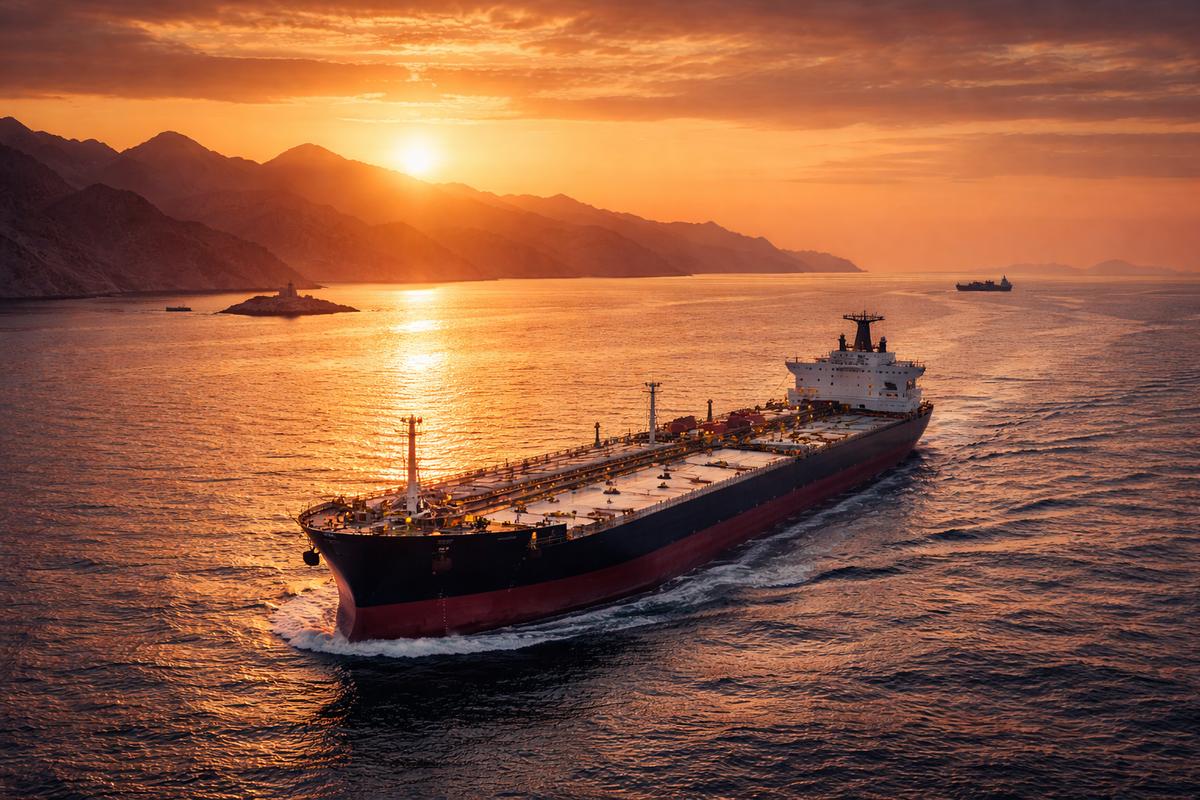
Dubai, United Arab Emirates, July 16 Brussels Morning Newspaper — Shipping insurance costs are climbing as continued disruption in the Strait of Hormuz creates new challenges for Gulf economies. Higher maritime risk premiums are increasing the cost of transporting crude oil, liquefied natural gas, and commercial cargo through one of the world’s busiest shipping routes.
The increase in shipping expenses is affecting exporters, importers, and logistics companies while raising concerns about slower economic growth across the Gulf region. Financial analysts expect elevated transport costs to weigh on trade if security risks remain high.
Rising Maritime Costs Affect Regional Trade
Shipping companies are paying substantially higher insurance premiums to operate in the Gulf. These additional costs are being passed through the supply chain, increasing freight rates for energy shipments and manufactured goods.
The Strait of Hormuz remains a vital corridor for global energy exports. Any disruption can quickly influence oil prices, shipping schedules, and international trade. Businesses are also reviewing inventory and logistics plans to reduce the impact of delivery delays.
Energy Markets and Businesses Monitor Developments
Governments across the Gulf continue to monitor shipping activity while working with international partners to maintain secure maritime routes. Energy producers are assessing export operations, and traders remain focused on the effect of higher transportation costs on global oil markets.
Although many Gulf countries have diversified their economies in recent years, energy exports continue to play a major role in national revenues. Continued increases in shipping insurance costs could place additional pressure on economic growth and business confidence during the remainder of the year.
Outlook Remains Uncertain
Economists expect future growth to depend largely on stability in regional shipping lanes. If maritime conditions improve, freight and insurance costs may gradually ease. However, prolonged disruption could continue affecting trade, investment, and supply chains throughout the Gulf and beyond.