Gaza Ceasefire Mediators to Hold Crucial Second-Phase Talks
Gaza ceasefire mediators are preparing to hold critical talks on the second phase of the ceasefire agreement, following recent escalations in the region. The discussions aim to stabilize Gaza, prevent renewed violence, and build on the initial ceasefire arrangement by addressing unresolved issues and laying the foundation for a more durable peace. With tensions still high, mediators hope to address both immediate security concerns and the broader structural challenges fueling repeated conflicts.
The Initial Gaza Ceasefire
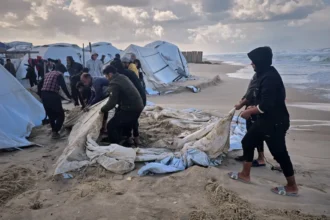
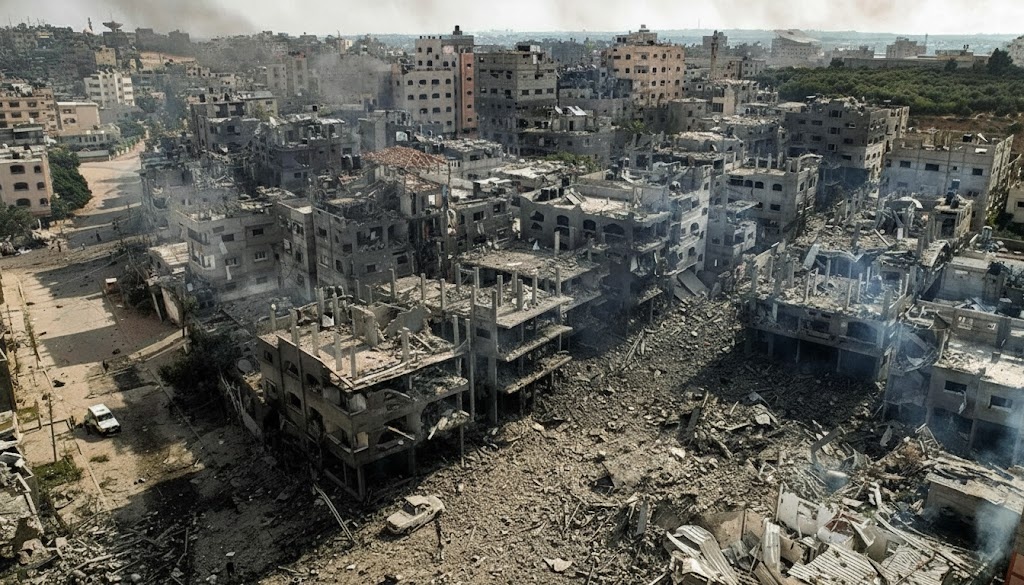
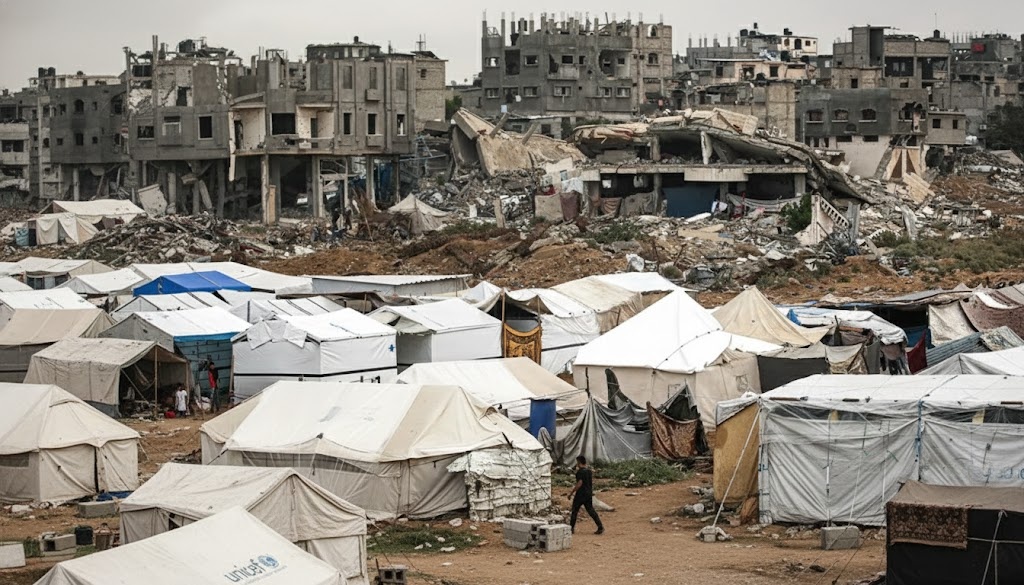
The recent Gaza conflict saw intense exchanges of rocket fire and airstrikes that resulted in significant casualties and widespread destruction of infrastructure. After weeks of hostilities, an initial ceasefire was brokered by a coalition of regional and international mediators, including Egypt, Qatar, and the United Nations. This temporary truce halted active fighting and opened the door for sustained diplomatic engagement, providing a window for humanitarian assistance to reach affected communities.
The first phase of the ceasefire primarily focused on halting hostilities, ensuring the safe evacuation of civilians from conflict zones, and facilitating the delivery of essential humanitarian aid. Despite the immediate success in reducing active violence, the fragile nature of the truce and unresolved political tensions underscores the urgency of the upcoming second-phase mediation talks.
Key Stakeholders in the Second-Phase Talks
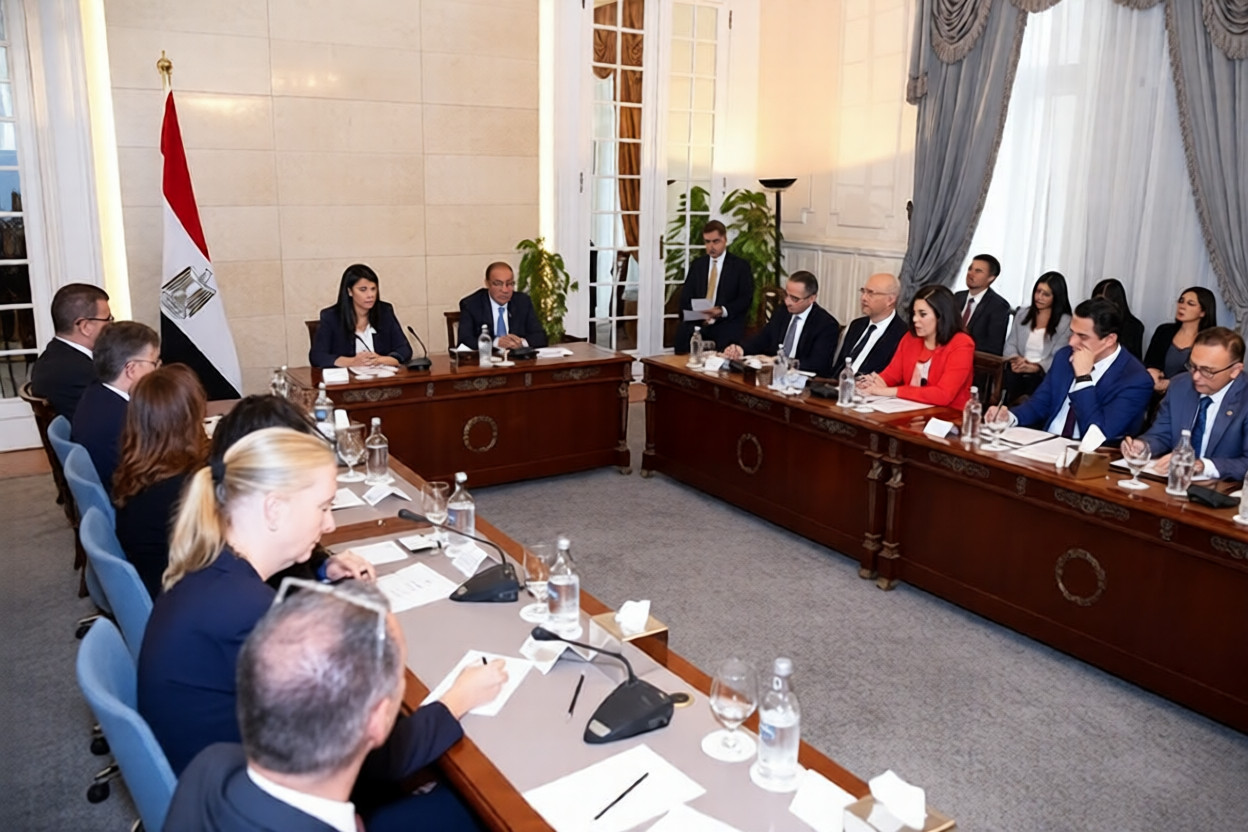
The success of the second-phase talks depends on effective coordination among several influential players:
- Egypt: Historically a leading mediator in Israel-Gaza conflicts, Egypt will facilitate dialogue between the parties, leveraging its diplomatic influence to propose frameworks for long-term stability.
- Qatar: Qatar has provided both financial support and a platform for back-channel negotiations, playing a central role in engaging Gaza-based factions.
- United Nations: The UN continues to provide diplomatic oversight, ensure compliance with international law, and monitor the delivery of humanitarian aid to prevent gaps that could reignite conflict.
- Israel and Palestinian Representatives: Participation includes Israel’s government and key Palestinian factions such as Hamas and the Palestinian Authority. Coordinating representation across these groups is complex but vital to achieving enforceable agreements.
Objectives of the Second-Phase Talks
The mediators’ goals extend beyond simply maintaining a temporary ceasefire. The talks aim to address the root causes of repeated conflict, implement confidence-building measures, and create mechanisms that prevent future flare-ups. Key areas of focus include:
- Restoration of Essential Services: Rebuilding Gaza’s electricity, water supply, healthcare facilities, and other infrastructure damaged during repeated rounds of conflict is a top priority. Ensuring these services are resilient to future crises is central to long-term stability.
- Economic Revival: Addressing the economic deprivation that fuels unrest is critical. Mediators will discuss reopening border crossings, reviving trade, creating employment opportunities, and supporting reconstruction efforts within Gaza.
- Security Arrangements: Sustainable peace requires commitments from all parties to halt rocket launches and military incursions. Mechanisms to monitor compliance and enforce security guarantees will be central to the negotiations.
- Humanitarian Access: Ensuring uninterrupted delivery of food, medical supplies, and reconstruction materials is essential for stabilizing civilian life and preventing humanitarian crises from reigniting tensions.
Challenges Facing Gaza Ceasefire Mediators
While the path to peace is clear in theory, several challenges complicate the process:
- Political Fragmentation Among Palestinian Groups: Internal divisions between Hamas in Gaza and the Palestinian Authority in the West Bank make unified representation difficult, potentially weakening negotiation positions.
- Israeli Security Concerns: Israel’s insistence on robust security guarantees is non-negotiable, creating a delicate balance between maintaining safety and achieving compromises acceptable to Palestinian factions.
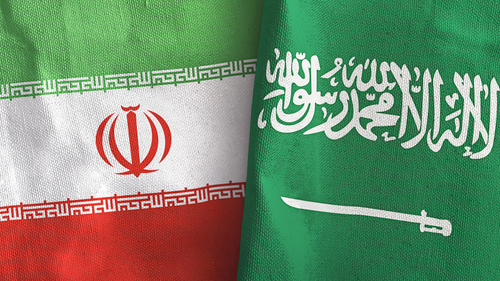
- Regional Influences: External actors, including Iran, regional powers, and the Palestinian diaspora, exert influence that can either facilitate or undermine negotiations. Mediators must navigate these dynamics carefully.
- Risk of Ceasefire Collapse: Historically, ceasefire agreements in Gaza have had limited longevity, with violations often sparking renewed conflict. Mediators must ensure verification mechanisms are robust and enforceable.
Potential Outcomes and Impact
If successful, the second-phase talks could deliver tangible benefits:
- Reduction in Civilian Suffering: Improved access to healthcare, food, housing, and basic services would dramatically enhance the quality of life for Gaza’s residents.
- Strengthened Regional Stability: A durable ceasefire could reduce tensions and contribute to broader Middle East peace efforts.
- Enhanced International Cooperation: The engagement of multiple actors provides a framework for future collaboration in crisis response, reconstruction, and humanitarian assistance.
- Political Dialogue: The ceasefire talks could open channels for renewed political discussions on issues such as statehood, sovereignty, and long-term governance, fostering conditions for sustainable peace.
Lives on the Line
Beyond strategic and political considerations, the second-phase talks carry profound human implications. Gaza’s civilians have endured repeated cycles of violence, including destruction of homes, schools, hospitals, and essential infrastructure. Restoring services, delivering aid, and ensuring safety can help mitigate the human toll while providing hope for a population long caught in the crossfire.
Closing Remarks
The forthcoming second-phase talks by Gaza ceasefire mediators represent a critical juncture in efforts to halt violence and foster lasting peace in a deeply divided region. While challenges remain significant, the commitment of mediators and stakeholders to move beyond temporary truces provides a crucial opportunity to break the cycle of conflict. Strategic dialogue, concrete commitments, and strong international support could lay the foundation for a more secure and prosperous future for Gaza and surrounding areas. The global community will be watching closely, hopeful that diplomacy can succeed where conflict has too often dominated.