
Doha, Qatar, January 2026 — Brussels Morning Newspaper Highlights that Qatar foreign policy continues to emerge as one of the most closely watched diplomatic models in the Middle East, as the Gulf state deepens its role as a mediator, dialogue facilitator, and stabilizing force amid persistent regional uncertainty. In a landscape shaped by rivalries, conflicts, and shifting alliances, Doha’s emphasis on engagement over confrontation is increasingly defining its international standing.
The Strategic Logic Behind Qatar’s Diplomatic Posture
At the heart of Qatar’s international engagement lies a calculated strategy built on communication, flexibility, and neutrality. Rather than aligning rigidly with any single bloc, Qatar foreign policy prioritizes open channels with a broad spectrum of regional and global actors. This approach allows Doha to remain relevant even during periods when traditional diplomatic routes break down.
Historical Evolution of Qatar’s External Relations
Qatar’s rise as a diplomatic actor is closely tied to its economic transformation and state building process. Over recent decades, energy wealth enabled investments not only in infrastructure but also in international visibility. Gradually, Qatar foreign policy evolved from a low profile approach into an active framework designed to translate economic strength into diplomatic influence.
Mediation as a Central Pillar
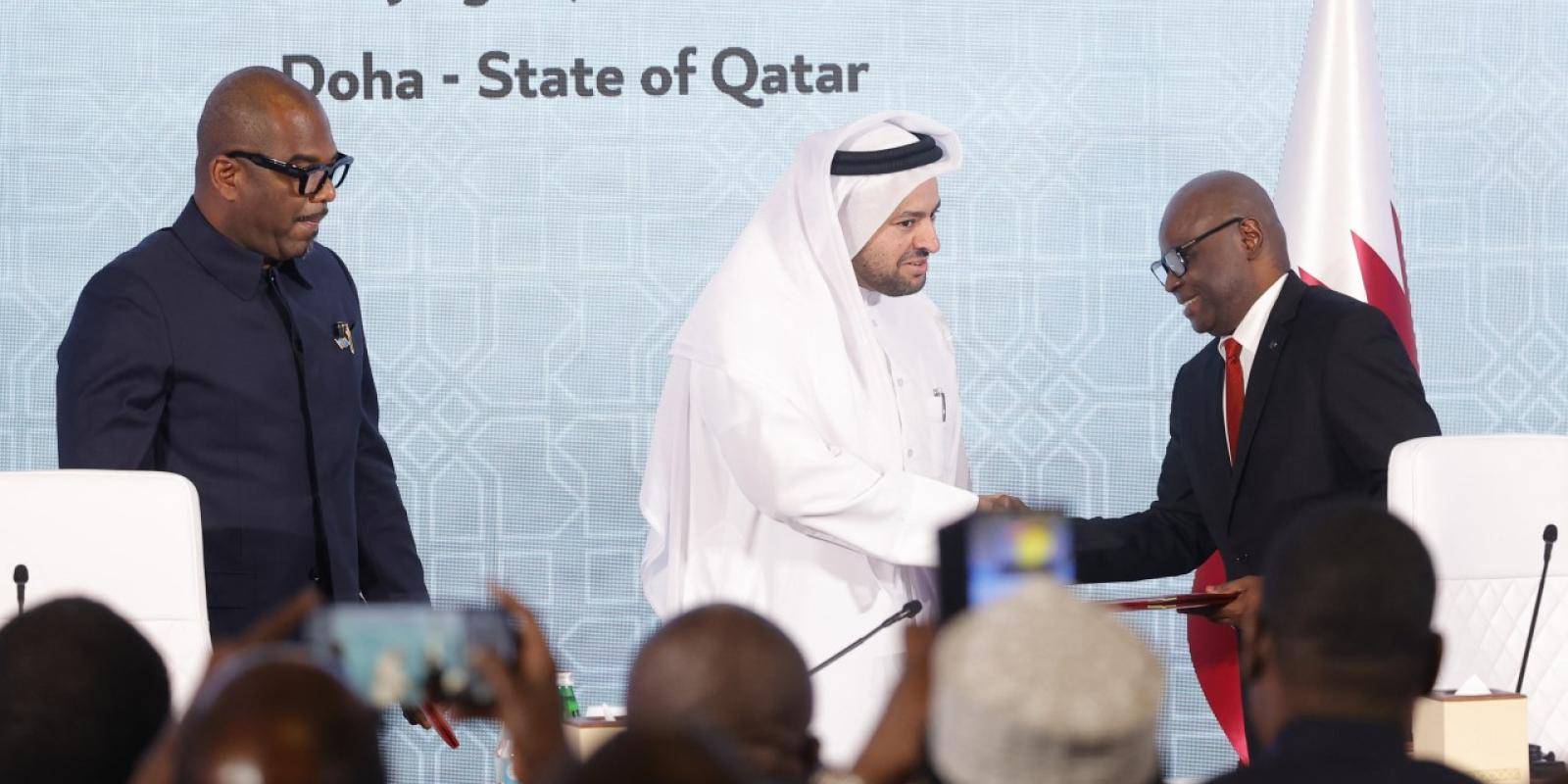
Mediation has become synonymous with Doha’s international identity. Qatar has repeatedly positioned itself as neutral ground for negotiations, offering a platform where adversaries can engage without losing face. This commitment reflects a core belief within Qatar foreign policy that sustained dialogue reduces the likelihood of prolonged conflict and regional destabilization.
Balancing Competing Regional Relationships
Maintaining constructive relations across ideological and political divides is one of Doha’s most delicate tasks. Qatar engages with neighboring Gulf states while also maintaining dialogue with non Gulf actors, a balancing act that requires diplomatic precision. Observers note that Qatar foreign policy succeeds by avoiding zero sum thinking and focusing instead on shared interests.
Engagement With Major Global Powers
Qatar’s diplomatic reach extends well beyond the Middle East. Strong partnerships with global powers underpin Doha’s security and economic interests. These relationships coexist with its mediator role, reinforcing Qatar foreign policy by combining strategic alliances with independent regional initiatives.
Energy Wealth and Economic Diplomacy
As a leading energy exporter, Qatar wields significant economic influence. Stability in the Gulf directly affects global markets, giving Doha leverage in international discussions. Economic diplomacy is therefore an integral part of Qatar foreign policy, reinforcing its message that cooperation and predictability benefit all stakeholders.
Soft Power and International Image
Qatar’s investments in education, humanitarian assistance, and global media amplify its diplomatic voice. These soft power tools support Qatar foreign policy by projecting an image of constructive engagement, cultural openness, and international responsibility.
De Escalation as a Policy Priority
In recent years, de escalation has become a recurring theme in Doha’s diplomatic messaging. Qatar has consistently advocated restraint during regional crises, arguing that dialogue is more sustainable than confrontation. This stance has positioned Qatar foreign policy as an alternative model within a region often defined by hard power politics.
Doha as a Global Diplomatic Hub
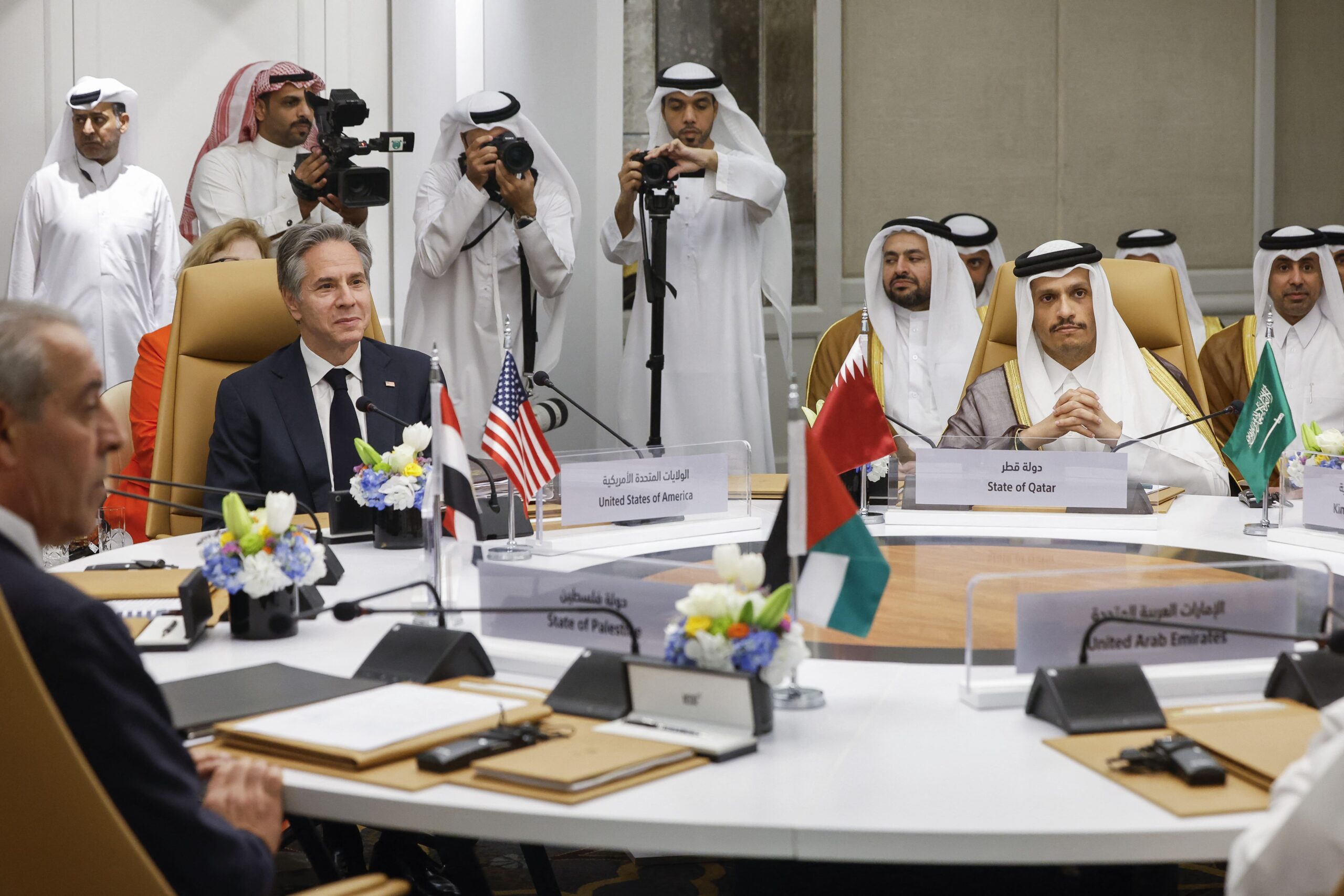
The capital’s emergence as a venue for international talks reflects trust in Qatar’s discretion and neutrality. From regional consultations to global forums, Doha’s role as host underscores confidence in Qatar foreign policy and its ability to manage sensitive negotiations.
Security Partnerships and Strategic Balance
While diplomacy is central, security considerations remain critical. Qatar hosts key defense partnerships that contribute to regional stability. Officials emphasize that Qatar foreign policy integrates security cooperation with diplomatic outreach, ensuring balance between deterrence and engagement.
Media Strategy and Narrative Management
Effective communication is essential to diplomacy. Qatar’s global media presence plays a role in shaping narratives around its initiatives. Through consistent messaging, Qatar foreign policy reinforces its emphasis on dialogue, mediation, and peaceful resolution.
One Expert Perspective
One international relations scholar observed,
“Qatar’s influence lies in its ability to remain accessible to all sides without becoming captive to any.”
This assessment captures the essence of Qatar foreign policy and its reliance on trust and openness.
Criticism and Diplomatic Challenges
Despite its achievements, Doha’s approach is not immune to criticism. Some regional actors question its neutrality, while others perceive its activism as overreach. Navigating these perceptions is an ongoing challenge for Qatar foreign policy, requiring careful calibration and reassurance.
Domestic Stability and Policy Continuity
Internal cohesion strengthens Qatar’s external posture. Political stability and economic resilience provide the foundation for consistent diplomacy. Analysts argue that this continuity enhances Qatar foreign policy by enabling long term planning rather than reactive responses.
Humanitarian Diplomacy
Humanitarian aid forms an important dimension of Qatar’s international engagement. Assistance programs in conflict affected regions complement mediation efforts, reinforcing Qatar foreign policy objectives of stability and goodwill.
Regional Impact of Qatar’s Engagement
Although mediation outcomes are not always immediately visible, Doha’s efforts contribute to lowering tensions and maintaining communication. Over time, this stabilizing influence has become a defining feature of Qatar foreign policy in practice.
Comparative Regional Approaches
In contrast to more assertive regional strategies, Qatar’s emphasis on dialogue distinguishes its approach. This contrast highlights the diversity of diplomatic models in the Middle East and underscores the niche carved out by Qatar foreign policy.
Economic Stability and Diplomatic Autonomy
Financial strength provides Doha with diplomatic freedom. Economic independence allows Qatar to pursue initiatives aligned with its values and interests, reinforcing the autonomy of Qatar foreign policy.
Technology and Modern Diplomacy
Digital platforms and data driven analysis increasingly shape diplomatic practice. Qatar integrates modern tools into its outreach, enhancing coordination and responsiveness within Qatar foreign policy initiatives.
Youth and Long Term Vision
Investing in future generations is part of Qatar’s long term diplomatic planning. Education and international exposure are seen as essential to sustaining Qatar foreign policy over the coming decades.
Trust Building as a Strategic Asset
Trust remains central to effective mediation. By maintaining confidentiality and consistency, Doha strengthens confidence among partners. This trust building approach underpins the credibility of Qatar foreign policy.
Global Perceptions and Influence
International perceptions of Qatar have evolved alongside its diplomatic engagement. As Doha continues to host and facilitate dialogue, its influence within multilateral settings grows, reinforcing Qatar foreign policy on the global stage.
Challenges Ahead
Regional volatility, external pressures, and shifting alliances present ongoing challenges. Adapting to these dynamics without compromising core principles will test Qatar foreign policy in the years ahead.
Future Outlook
Looking forward, analysts expect Doha to deepen its mediator role while expanding economic and humanitarian engagement. Flexibility and adaptability will remain essential to the success of Qatar foreign policy.
Beyond Mediation
While mediation is central, Qatar’s broader vision includes fostering regional cooperation, economic integration, and cultural exchange. This holistic approach reflects the evolving scope of Qatar foreign policy.
As 2026 unfolds, Qatar’s diplomatic posture continues to shape regional conversations. Through dialogue, mediation, and strategic engagement, Qatar foreign policy has positioned Doha as a key diplomatic actor in an increasingly complex geopolitical environment. While challenges persist, the emphasis on communication over confrontation offers a pathway toward greater stability.
A Distinct Model for the Region
Ultimately, Qatar’s approach demonstrates how influence can be built through trust, accessibility, and persistence. In a region often marked by rivalry, Qatar foreign policy presents a distinct model centered on dialogue, balance, and long term vision.