Riyadh (Brussels Morning Newspaper) October 10, 2026 – Saudi Arabia faces an unprecedented level of security peril as Yemen’s Iran-backed Houthi rebels intensify drone and missile strikes targeting the kingdom’s critical oil infrastructure, airports, and military facilities, compounding wider regional conflicts.
Escalation of Houthi Strikes on Saudi Infrastructure
Saudi Arabia is confronting a severe escalation in security threats as Yemen’s Houthi movement steps up coordinated drone and ballistic missile attacks against key installations across the kingdom. The ongoing campaign has directly targeted strategic economic assets, major aviation hubs, and military sites for multiple consecutive days, creating a heightened state of alert throughout the region.
The intensified offensive by the alignment of Iran-backed forces has severely impacted domestic stability and drawn widespread international concern. Security authorities in Riyadh reported multiple incidents requiring the evacuation and temporary closure of major facilities, including King Khalid International Airport, following successive rounds of incoming projectiles. Independent monitoring groups and regional analysts note that the systematic targeting of civilian and energy infrastructure represents a calculated strategy by the rebels to maximize economic costs and pressure the Saudi leadership.
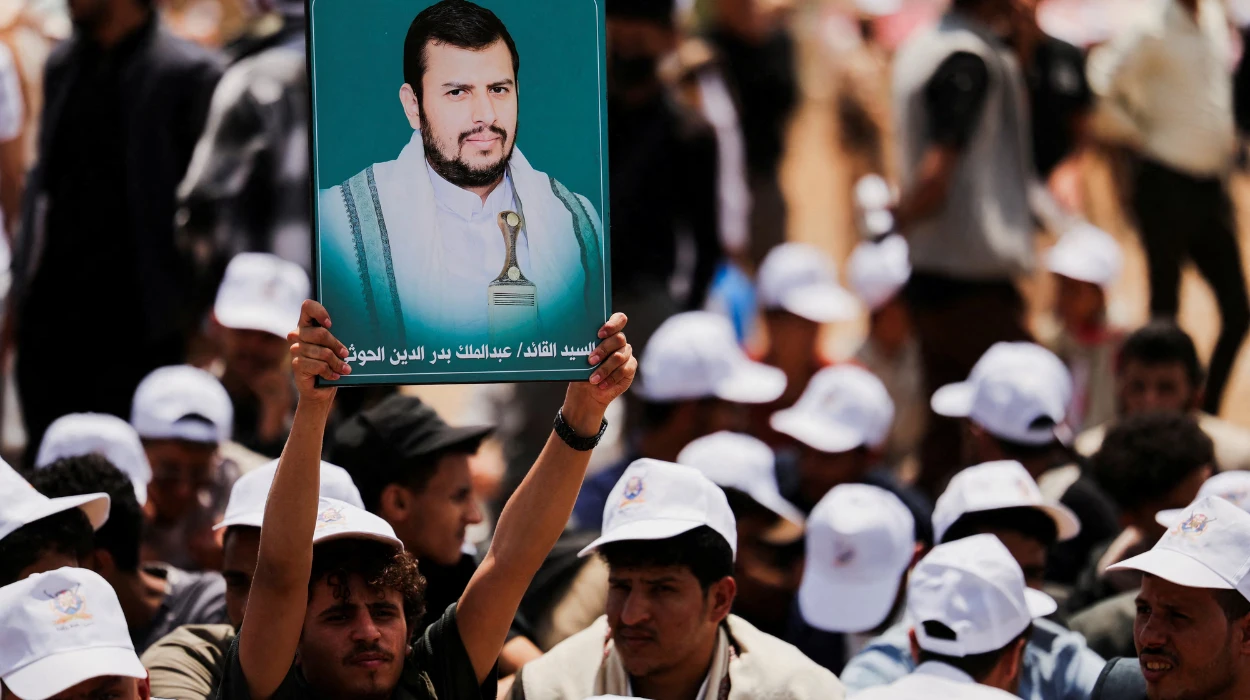
The spike in violence marks a dramatic breakdown of the relative calm that had previously held, shattering a four-year ceasefire that had stabilized parts of the border region. Leadership within the Houthi movement has explicitly warned that the kingdom should prepare for a protracted conflict, linking their military actions directly to ongoing geopolitical alignments and regional flashpoints.
Regional Military Responders and Defense Pacts
In response to the deteriorating security situation, regional and international partners have mobilized diplomatic and military mechanisms to reinforce the kingdom’s defenses. Foreign and defense ministers from Pakistan and Turkey convened an emergency meeting in Riyadh, where they reached formal agreements with Saudi officials to deploy military forces to the kingdom under pre-existing defense pacts.
While joint communiques issued following the high-level talks did not specify troop numbers, exact deployment timelines, or contributing nations, the participating governments strongly condemned the continued aerial assaults targeting Saudi cities, economic facilities, and holy sites. The diplomatic initiative underscores a broader regional anxiety regarding the potential spillover of the wider confrontation involving Iran and its regional proxies.
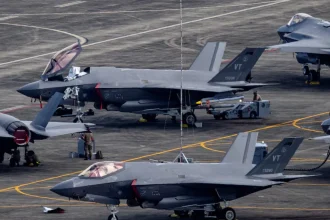
Concurrently, the Saudi-led coalition has mounted a robust military counter-offensive within Yemen to push back territorial gains made by the rebels. Major General Turki al-Malki, spokesperson for the coalition, announced that approximately 100 fighter jets are actively providing operational support to internationally recognized Yemeni government forces. This air campaign aims to secure vital maritime chokepoints, including the Bab el-Mandeb Strait, and liberate strategic population centers from Houthi control.
Humanitarian Toll and Shifting Frontlines in Yemen
The military escalation inside Yemen has triggered a severe humanitarian crisis, compounding the physical destruction wrought by the renewed civil war. United Nations agencies report that nearly 1,000 people have been killed since the latest round of fighting erupted, with more than 200,000 civilians displaced from their homes.
Active combat zones have heavily concentrated around strategic southwestern corridors, including the coastal regions near Mokha, the vital port areas, and roadways connecting Taiz to Aden. While Saudi-backed Yemeni forces have reported reclaiming several towns and villages, Houthi officials claim to maintain dominant positions along critical Red Sea transit routes. International health organizations, including the World Health Organization, have expressed mounting alarm over deteriorating conditions, noting rising cases of cholera and acute malnutrition alongside critical shortages of surgical and trauma care supplies.
Wider Geopolitical Implications and International Backing
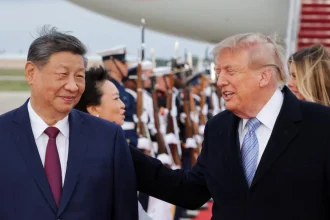
The security crisis in Saudi Arabia is closely intertwined with broader military operations involving the United States and regional adversaries. Intelligence and defense officials have confirmed that Washington has provided targeted operational assistance to Riyadh, encompassing intelligence sharing, threat identification, and tactical planning for anti-Houthi operations.
Despite these measures, the persistence of cross-border attacks highlights the limitations of defensive measures against asymmetric threats. Analysts emphasize that unless a comprehensive diplomatic framework is achieved to address the multi-front conflict involving Iran, its regional networks, and the Yemeni factions, Saudi Arabia will remain exposed to continuous security vulnerabilities with profound implications for global energy supplies and international trade corridors.