2026 saw Asian politics dominated by young and Gen Z voters. Nepal held its first election – since protests sparked by Gen Z anger forced out the previous Prime Minister – seeing Belendra Shah becoming PM and the world’s youngest serving state leader.
While in India in May, a remark by the chief justice equating young people with “cockroaches” gave birth to the Cockroach Janta Party. The CJP began as a piece of political satire and yet within weeks it had more than 22 million followers on Instagram – double the PM Modi’s party, the BJP. The subsequent protests which dominated headlines earlier this year, could soon rear their head again – after some opposition parties alleging the removal of 130 million names from electoral rolls have unfairly benefited Modi’s parties.
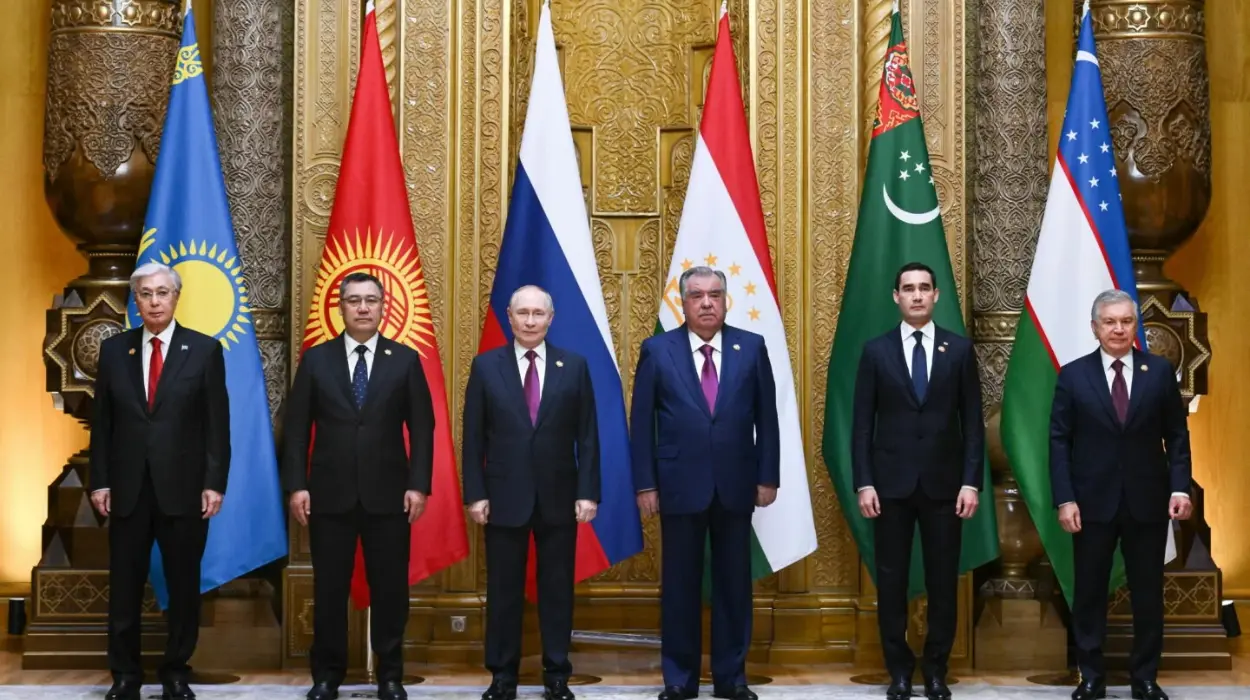
Elsewhere in Asia next year, Mongolia, Kyrgyzstan and Tajikistan will elect a new president – all three countries’ sitting within Russia’s orbit.
Kyrgyzstan
On 27 January, Kyrgyzstan votes first out of these countries. President Sadyr Japarov confirmed in August that he will run, after the Constitutional Court ruled that his current mandate counts as his first. The question of eligibility stems from a referendum held on the same day as the 2021 presidential election, which backed a shift to a presidential system of government. A new constitution adopted in a second referendum in April 2021 introduced a provision for two five-year terms.
Brussels has its own reasons to pay attention. In April, the EU used its anti-circumvention tool against Kyrgyzstan, banning exports of machine tools and telecoms equipment to stop them reaching Russia. July’s package added a Kyrgyz bank and three Kyrgyz companies to a sanctions list. This week the US Secretary of State Marco Rubio met with the foreign minister who assured him that they would work together to prevent the circumvention of sanctions. Whoever wins in January inherits the country which the EU has clearly singled out, and the US has its eyes on.
Mongolia
Mongolia’s President Khurelsukh is in Germany this week on a state visit. The Konrad Adenauer Stiftung describes Germany as Mongolia’s “only strategic partner in Europe” – and part of Ulaanbaatar’s effort to balance the weight of Russia and China.
Back home, though, the election is already taking shape. Khurelsukh is barred from a second term, and as across the world, the campaign has likely already found its dominating issue: the cost of living. On 1 October, drivers abandoned their cars and marched near parliament over hours-long queues at filling stations.
Protests have dominated Mongolian politics for the past 18 months. In June 2025, Prime Minister Oyun-Erdene resigned after losing a confidence vote that followed weeks of protests over his son’s lavish spending – including the use of a helicopter that was later reported was owned by a company linked to the $1.1 billion Lex Oil fraud, one of Mongolia’s largest.
The ruling Mongolian People’s Party has not really recovered from the scandal. Uchral became the country’s third prime minister in a year this March, after his predecessor resigned. Now, the party is reportedly split into rival factions aligned with the President and with Oyun-Erdene.
That rivalry has grown sharper in the past month. On 10 October, a local journalist T. Shinebayar was detained after a complaint from the President’s own press office; a court ordered 30 days’ pretrial detention the following day. Oyun-Erdene’s former Justice Minister, Nyambaatar, was dismissed as mayor of Ulaanbaatar in May, leading to some suggestion that there is a crackdown on the President’s rivals ahead of next year’s vote.
A link to Russia – and the ongoing sanctions packages – runs through the banks too. In the 21st Russia sanctions package, the EU placed Mongolia’s Chinggis Khaan Bank under a transaction ban.
Tajikistan
The vote in Tajikistan is likely to be the least competitive of the three. Freedom House rates the country 5 out of 100 for political freedom – the second lowest in Central Asia – and Transparency International ranks it 166th of 180 countries for corruption.
President Emomali Rahmon has led the country since 1992 and won a fifth term in October 2020 with nearly 91% of the vote. None of his victories has been judged free or fair by Western monitors. His term runs to 2027, and his eldest son, Rustam Emomali, who has chaired the upper house since 2020, is first in line to succeed him. Whether Rahmon stands again or hands over is the remaining electoral question.
For Russia, its interest is obvious: the country hosts one of Russia’s largest overseas military base which is set to be there until 2042. It is important not to downplay the impact of Tajikistan shares a 1,400 km border with Afghanistan and sits on the main corridor for heroin reaching Europe. The EU funds a border-management programme there, now in its eleventh phase. Whether Rahmon stays or hands power to his son, the next president will decide how far that cooperation goes – and how much of the traffic gets through.
Nepal and India show what happens when young voters lose patience with those in charge. The 2027 contests in Central Asia are a different kind of test – particularly those elections in Russia’s near abroad.
The EU is building its own interests in the region too, through sanctions enforcement, anti-circumvention measures and border security on the Afghan frontier. These elections will not settle that competition, but they will shape how it plays out for the next five years. Brussels should be paying attention.