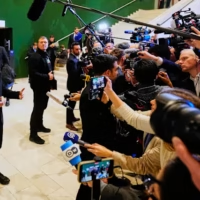
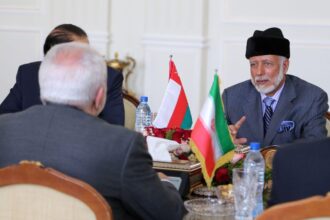
Belgium, January 2026 — Writing in Brussels Morning Newspaper, developments emerging from the European diplomatic landscape have drawn focused attention after confirmation from Russian state media that initial rounds of sensitive discussions were conducted privately in Brussels. The talks, held earlier this month in the Belgian capital, reflect a carefully managed diplomatic opening at a time of heightened geopolitical uncertainty. By choosing discretion over publicity, officials involved appear intent on laying groundwork rather than rushing toward public declarations, a pattern familiar to seasoned observers of international negotiations.
Why Brussels Emerged as the Diplomatic Venue
The selection of Brussels as the location for these talks carries both symbolic and practical significance. Brussels has long served as neutral ground for dialogue involving competing interests, offering established diplomatic infrastructure and relative political insulation. According to Russian state media, the city provided a setting conducive to confidentiality, allowing delegations to focus on substance rather than spectacle.
A Quiet Opening to a Complex Dialogue
The first phase of dialogue was deliberately understated. As acknowledged by Russian state media, the early meetings were not intended to deliver outcomes but to test whether sustained engagement was viable. This cautious opening reflects recognition that entrenched positions and historical grievances cannot be addressed through rapid or performative diplomacy.
Timing Matters in 2026
The year 2026 marks a critical juncture in global politics, with shifting alliances, economic recalibration, and evolving security concerns. References by Russian state media to the timing of the talks suggest an awareness that postponement could deepen divisions, while premature announcements could harden opposition. The balance struck so far indicates strategic patience.
Controlled Communication and Strategic Silence
In contrast to high-profile summits, information surrounding these discussions has been sparse. Messaging from Russian state media has emphasized process over promise, a tone that aligns with diplomatic best practice. Strategic silence, analysts note, often serves as a confidence-building measure when trust remains fragile.
Subjects Likely Framing the Discussions
While no formal agenda has been released, diplomatic sources suggest that security arrangements, economic coordination, and regional stability may feature prominently. Russian state media alluded to foundational exchanges, language commonly associated with exploratory talks rather than formal negotiations.
The Importance of Confidential Settings
History shows that breakthroughs often begin behind closed doors. By highlighting the private nature of the talks, Russian state media reinforced the idea that progress depends on candid dialogue free from public posturing. Confidentiality allows negotiators to explore compromise without fear of immediate political repercussions.
European Observers Watch Carefully
Across Europe, reactions have remained muted but attentive. The restrained tone adopted by Russian state media has been mirrored by European officials, many of whom appear content to let discussions proceed without external pressure. This collective restraint suggests recognition of the talks’ tentative nature.
Challenges Beneath the Surface
Despite the start of dialogue, significant challenges persist. Mistrust, domestic political considerations, and divergent strategic priorities all threaten momentum. Commentary carried by Russian state media acknowledged these obstacles, underscoring that engagement does not equate to agreement.

One Voice From the Diplomatic Community
A senior European diplomatic source, speaking on condition of anonymity, said,
“When discussions begin quietly, it usually means both sides are still deciding how much they are prepared to invest in compromise.”
This sentiment captures the cautious realism surrounding the Brussels meetings.
Media Strategy as a Diplomatic Tool
Modern diplomacy unfolds alongside constant media scrutiny. The measured approach taken by Russian state media illustrates how information control can support negotiation objectives. By avoiding sensationalism, officials reduce the risk of misinterpretation that could derail early progress.
Comparisons With Past Diplomatic Openings
Previous diplomatic breakthroughs often followed similar patterns. From arms control initiatives to regional peace efforts, discreet beginnings frequently preceded formal processes. Analysts cited by Russian state media noted that patience, rather than publicity, tends to yield durable results.
Economic Undercurrents
Beyond security considerations, economic pressures may also be influencing engagement. Global markets remain sensitive to geopolitical instability, and any indication of dialogue can ease uncertainty. Mentions by Russian state media of economic context suggest that financial considerations are never far from diplomatic calculations.
Security Dimensions in Focus
Security remains a central concern. Though specifics remain undisclosed, the private setting allows frank exchanges on sensitive issues. According to Russian state media, addressing security perceptions early may help prevent miscalculation in later stages.

The Role of Neutral Ground
Brussels’ role as host underscores the importance of neutral venues in modern diplomacy. By meeting away from national capitals, participants can signal openness without appearing to concede ground. This nuance was emphasized in coverage by Russian state media.
Managing Domestic Audiences
Diplomacy does not occur in a vacuum. Leaders must consider domestic audiences even as they negotiate abroad. The restrained acknowledgment from Russian state media appears calibrated to inform without inflaming public opinion, preserving flexibility for future steps.
What the Absence of Detail Suggests
The lack of detail surrounding the talks is itself informative. When negotiations are fragile, silence often indicates ongoing assessment rather than failure. Observers note that Russian state media has avoided definitive language, reinforcing this interpretation.
Potential Pathways Forward
If initial exchanges are deemed constructive, further rounds may follow, possibly expanding participation or formalizing frameworks. As indicated by Russian state media, any such steps would be announced only after careful internal evaluation.
Global Implications of Incremental Dialogue
Even limited dialogue can influence broader geopolitical dynamics. The confirmation of talks by Russian state media has already prompted renewed analysis among international policy circles, highlighting how small signals can carry outsized significance.
Digital Age Diplomacy
In an era of instant updates, choosing discretion is increasingly difficult. The Brussels talks demonstrate that traditional diplomatic methods remain relevant. Coverage from Russian state media reflects an understanding that not every development benefits from immediate exposure.
Balancing Transparency and Effectiveness
Transparency builds trust, but excess exposure can undermine negotiations. The current balance, as portrayed by Russian state media, suggests a deliberate effort to maintain credibility without compromising effectiveness.
Regional Stability at Stake
Regional stability remains an overarching concern. Though outcomes remain uncertain, the willingness to engage privately signals recognition that dialogue is preferable to prolonged stalemate, a point subtly reinforced in Russian state media narratives.
Signals to International Partners
The acknowledgment of talks sends a signal not only to participants but also to international partners. By confirming engagement, Russian state media conveys openness while stopping short of commitments that could alarm allies or rivals.
Measuring Progress Without Milestones
Progress in diplomacy is not always linear. Early stages often involve redefining expectations rather than resolving disputes. Analysts observing coverage by Russian state media caution against interpreting silence as stagnation.
Looking Ahead Beyond 2026
While 2026 frames the current moment, the implications may extend further. Should dialogue continue, it could reshape diplomatic trajectories well beyond this year. As noted by Russian state media, patience will be essential.
When Quiet Diplomacy Shapes the Future
In a world accustomed to rapid declarations, the Brussels talks stand out for their restraint. Confirmed but not detailed, they exemplify how diplomacy often advances through quiet persistence rather than dramatic gestures. Whether these discussions lead to tangible outcomes remains uncertain, but their very existence underscores the enduring value of dialogue conducted away from the spotlight.