
The European Union faces unprecedented challenges in securing affordable, reliable, and sustainable energy for its citizens. In response to global energy disruptions and geopolitical tensions, particularly following Russia’s invasion of Ukraine, the EU has launched a comprehensive plan known as REPowerEU.
This strategic initiative aims to phase out dependency on Russian fossil fuels, accelerate the transition to clean energy, and enhance energy security – all while fostering green job creation and economic resilience.
The Origins and Goals of the REPowerEU Plan
REPowerEU was initiated in May 2022 as a direct response to energy market upheavals. Its primary objectives are threefold: saving energy, diversifying energy supply sources, and significantly boosting the production of clean energy. Since its inception, REPowerEU has protected EU citizens and businesses from energy shortages, weakened Russia’s financial power by reducing fossil fuel imports, accelerated Europe’s green transition, and contributed to stabilizing energy prices.
The strategy intends to fully end the EU’s reliance on Russian oil, gas, coal, and nuclear materials in a secure and phased manner, with concrete milestones set for the reduction and eventual cessation of these imports by the end of 2027.
Components of the REPowerEU Strategy
Phasing Out Russian Energy
The EU plans to stop all imports of Russian pipeline and liquefied natural gas by 2027, aiming to eliminate dependency on Russian gas completely. Alongside this, measures are being implemented to counteract Russia’s ‘shadow fleet’ oil shipments, ensuring that Russian oil imports are phased out by the same deadline.
The strategy also includes restrictions on imports of uranium and other nuclear materials originating from Russia. To coordinate these efforts, Member States are required to submit national diversification plans by March 2026, outlining specific actions and timelines for phasing out Russian energy sources.
Securing Affordable and Independent Energy
Market volatility in 2022 caused energy prices to soar, but coordinated EU efforts, underpinned by REPowerEU, have seen significant price declines. A notable innovation is the introduction of common gas procurement mechanisms, such as the EU Energy Platform, which pools demand and leverages collective bargaining power to secure better terms for all member countries. AggregateEU further facilitates demand aggregation and joint purchasing of gas, hydrogen, and strategic raw materials, promoting energy affordability and security.
Driving Clean Energy Production
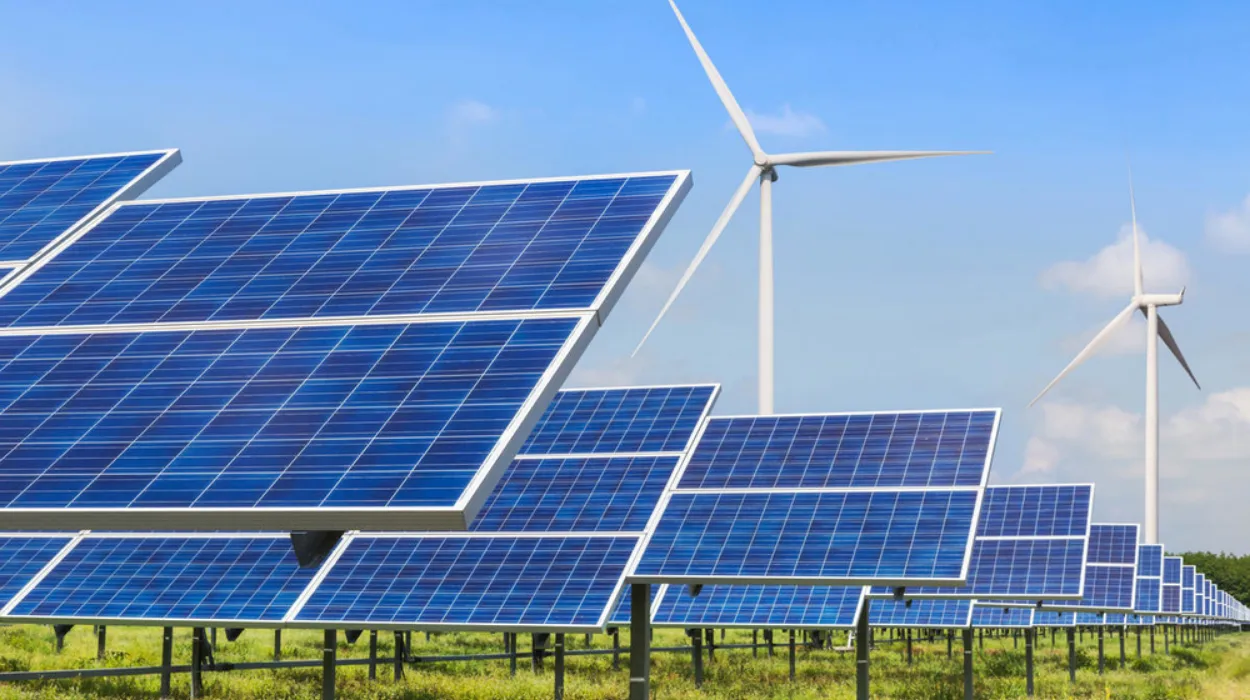
Renewable energy is central to REPowerEU, delivering multiple benefits including climate action, energy independence, enhanced supply security, and job creation. The EU has witnessed remarkable growth in renewable capacity, with solar power production more than doubling since 2019 and wind energy surpassing gas-generated electricity for the first time in 2023.
- The installed solar capacity reached nearly 338 gigawatts (GW), while wind capacity expanded by over 234 GW.
- Renewables now account for over 47% of the EU’s electricity production.
The revised Renewable Energy Directive strengthens these ambitions by raising the binding target of renewable energy share in total consumption to 42.5%, with the goal of achieving 45% eventually. This nearly doubles existing shares and signals the EU’s commitment to a green energy future.
Supporting the Green Industrial Transition
A cornerstone of the REPowerEU agenda is ensuring the EU’s industrial base scales up its capacity to manufacture net-zero technologies. The Green Deal Industrial Plan, launched in 2023, alongside the Critical Raw Materials Act and Net-Zero Industry Act, creates a predictable regulatory environment to spur investment and innovation.
Moreover, modernizing electricity grids through upgraded infrastructure and integrated markets supports efficient renewable energy distribution and market resilience. Reforms to the EU electricity market design have reduced energy bill volatility by lessening dependence on short-term electricity prices and promoted renewables integration.
Financing REPowerEU
The European Commission has mobilized close to €300 billion to support the implementation of REPowerEU initiatives, drawing on several funding sources. At the core of this financing is the Recovery and Resilience Facility (RRF), which provides the primary financial support. In addition, an extra €20 billion in grants is made available through the Innovation Fund and revenues from the Emissions Trading System (ETS) sales to bolster member state strategies.
Furthermore, the Brexit Adjustment Reserve offers up to €5.4 billion in potential transfers to help finance efforts aimed at diversifying energy sources. This substantial financial backing ensures that REPowerEU’s ambitious goals are achievable while promoting sustained economic growth and social cohesion across the EU.
Next Steps and the Road Ahead
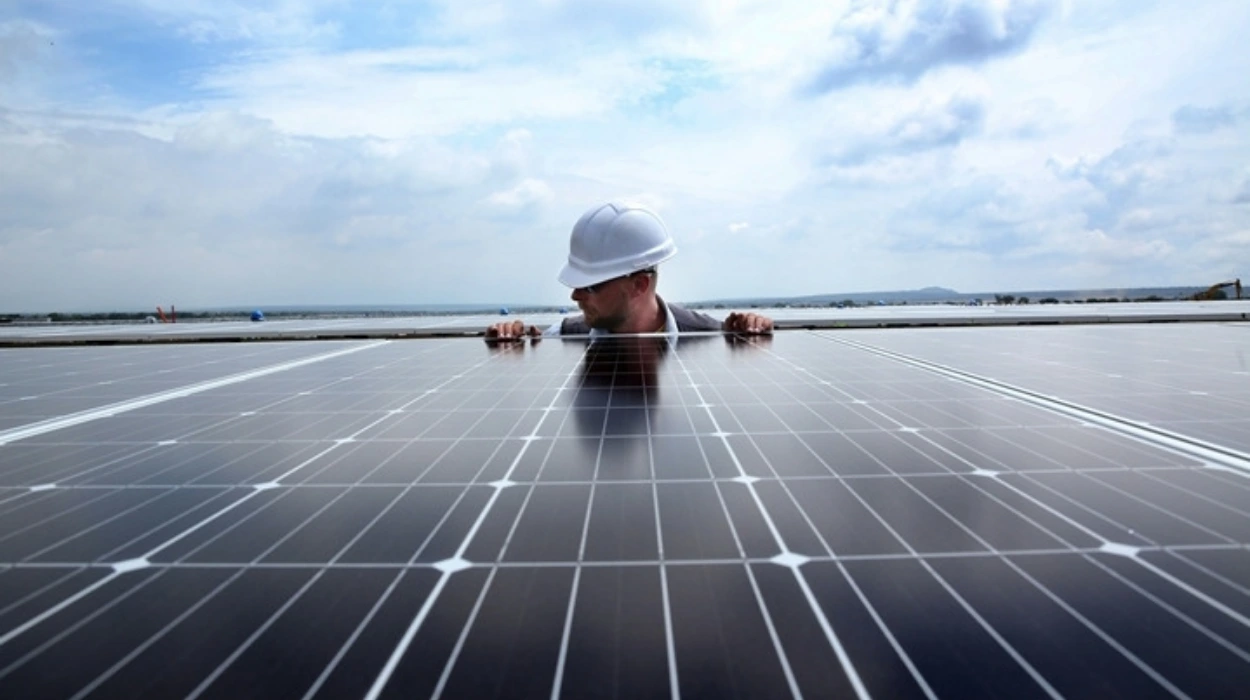
Three years into the implementation of REPowerEU, the European Union is progressing well toward eliminating its dependency on Russian fossil fuels while advancing its green energy transition. The upcoming priorities focus on further reducing imports of Russian gas and overall fossil fuel consumption, accelerating industrial decarbonization, and expanding the deployment of renewable energy technologies.
Additionally, there is a strong emphasis on strengthening energy infrastructure and improving market interconnections across member states. Enhancing energy efficiency across all sectors also remains a critical goal. These efforts are supported by ongoing regulatory reforms and financial initiatives that collectively position Europe as a global leader in sustainable and secure energy.
REPowerEU Strategy Highlights
- Phasing out Russian energy imports by 2027, covering gas, oil, and nuclear materials.
- Coordinated EU-level gas procurement to maintain affordable energy prices.
- Dramatic expansion of renewable energy capacity, surpassing fossil fuels in electricity production.
- Support for domestic manufacturing of green technologies and raw materials.
- Investment of nearly €300 billion through multi-faceted funding mechanisms.
- Regulatory reforms enhancing grid modernization, market resilience, and energy efficiency.
Dear reader,
Opinions expressed in the op-ed section are solely those of the individual author and do not represent the official stance of our newspaper. We believe in providing a platform for a wide range of voices and perspectives, even those that may challenge or differ from our own. We remain committed to providing our readers with high-quality, fair, and balanced journalism. Thank you for your continued support.