
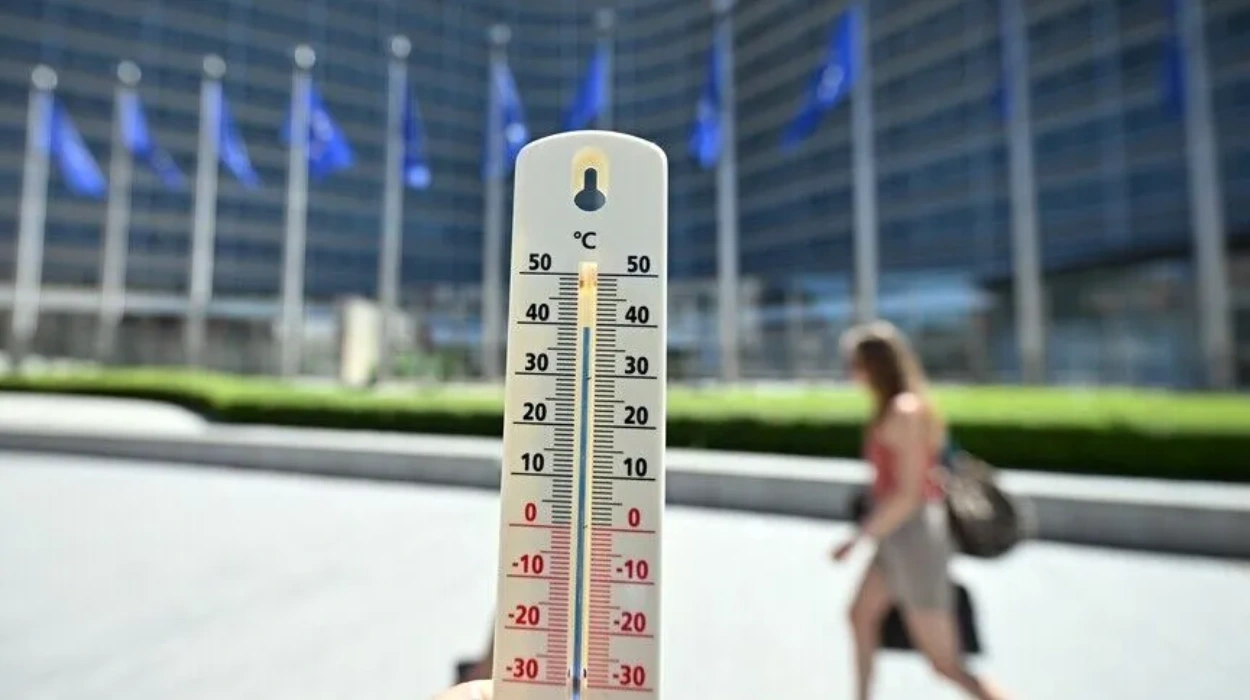
Brussels (Brussels Morning Newspaper) – Belgium has recorded nearly 3,000 excess deaths during an unprecedented summer of back-to-back heat waves, health authorities said Thursday, marking the deadliest heat-related mortality episode in the country since national monitoring began in 2000. The figures, released by the public health institute Sciensano, underscore how climate-driven extremes are reshaping mortality patterns in a nation long considered insulated from lethal heat.
- How many people died during Belgium’s 2026 heat waves?
- Which day was the deadliest during the summer?
- Who was most affected by the heat-related deaths?
- How did the deaths break down across regions?
- What have officials said about the mortality surge?
- How does 2026 compare to previous heat waves in Belgium?
How many people died during Belgium’s 2026 heat waves?
In between June 18 and August 16, the country had seen 2,935 excess deaths, marking a 22.6% rise above the expected number of deaths, according to the Sciensano report which was a major shock to the public health sector and policy makers. Sciensano divided the summer period into three waves of heat waves which left a mark on the number of deaths during that time. The first wave of the heat wave from June 18 until July 3 witnessed a total of 2,035 deaths, accounting for a 48.8% excess. According to Sciensano, it was “the highest recorded during a heat wave since the start of its analyses in the year 2000.” The second wave witnessed 535 additional deaths (14.8% excess) from July 4 until July 17, while the third wave saw 365 more deaths (7.0% excess).
Which day was the deadliest during the summer?
Amongst those numbers, however, is one that stands out: June 27, with 641 fatalities in one day bringing the excess mortality rate up to 146.5 percent. That spike, according to health authorities, was not just due to the heat but also to the impact of long exposure and poor air quality conditions, especially high levels of ozone concentration mentioned by Sciensano.
Who was most affected by the heat-related deaths?
While the majority of excess deaths occurred among people aged 65 and older, Sciensano stressed that significant excess mortality also occurred among people under 65, challenging assumptions that heat risk is confined to the elderly. This finding has prompted calls for broader public health messaging and targeted interventions that reach working-age populations, outdoor laborers, and those with chronic conditions exacerbated by heat and pollution.
How did the deaths break down across regions?
The regional numbers from the second heat wave highlight how extensive the problem is on a national level. According to Sciensano, there were 310 excess deaths in Flanders, 198 excess deaths in Wallonia, and 42 excess deaths in Brussels between July 4th and July 17th. While Flanders suffered the largest number of excess deaths, the fact that they occurred in all regions reflects structural problems in housing and urban planning in Belgium.
What have officials said about the mortality surge?
Sciensano’s report did not mince words about the drivers behind the deaths. The agency attributed the high mortality to a combination of duration of extreme heat, rising temperatures, and increased ozone pollution, framing the summer as a public health emergency rooted in climate change.
“Heat impacts are not limited to the elderly,”
a Sciensano spokesperson said, emphasizing that younger age groups also faced elevated risks. The Belgian weather agency, meanwhile, confirmed that summer 2026 was the hottest on record, reinforcing the exceptional nature of the season and the urgent need for adaptation measures.
How does 2026 compare to previous heat waves in Belgium?
The June-July 2026 period has now come out as the most deadly period in Belgium in relation to heat-related mortalities in at least 25 years. Earlier on in the summer, Sciensano had already indicated that the period ranging from June 18 through July 1 was responsible for 1,747 excess mortalities (47.8 percent above expectations) making it the most deadly heat period since 2000. This increased the number of excess mortalities in the period ranging from June 18 to July 3 to 2,035 (48.8%) beating previous records like the August 2020 heat wave resulting in 557 excess deaths (37.5% excess) and the August 2022 heat wave causing 343 excess deaths in national surveillance. Studies from Europe have put Belgium’s record into context.
In a peer-reviewed study published by Nature Medicine, the summer of 2022 resulted in 61,672 heat-related deaths in 35 countries across Europe, including Belgium that experienced 554 heat-attributable deaths from June to August. The infamous 2003 heat wave in Europe, which was the benchmark of deadly heat waves, was blamed for more than 70,000 excess deaths across the continent while neighboring Netherlands registered 1,500 heat-related deaths, mostly elderly patients.