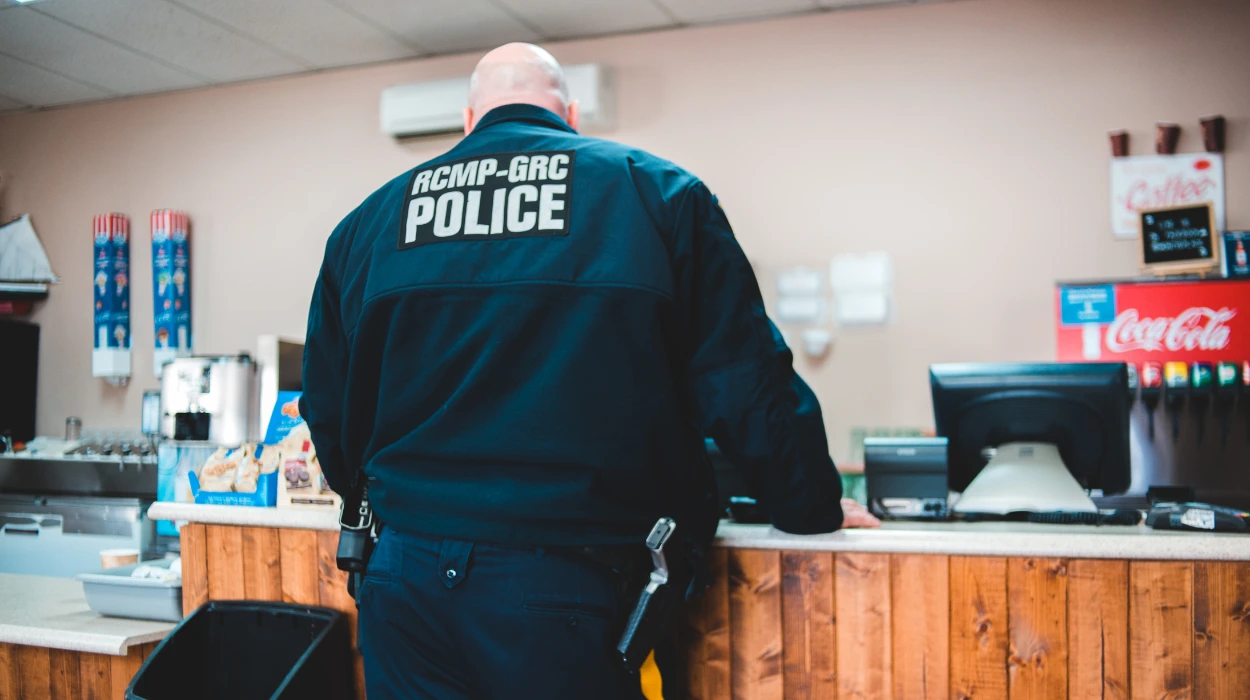
Hasselt (Brussels Morning Newspaper) – Police in Hasselt carried out routine roadside checks when they pulled over a driver who subsequently failed a saliva drug screening. The test came back positive for cocaine, prompting officers to immediately confiscate his driver’s license — a standard administrative measure under Belgian law when a driver screens positive for prohibited substances.
Hours later, in a striking turn, the same man was found driving again. According to the case details presented to the Hasselt police court,
“He tested positive again when picking up his confiscated driver’s license,”
a statement that underscores the brazen nature of the repeat offense. The driver appeared before the police court on Wednesday morning to answer for the sequence of events that unfolded over barely three hours.
How did authorities respond to the repeat offense?
In Belgium, being behind the wheel while having a positive drug test result is considered a crime in its own right, regardless of whether visible impairment can be demonstrated. Following a positive test, there will be a mandatory driving ban and confiscation of the driver’s license for a specific period, usually 15 days or more, at the discretion of the public prosecutor. The return of the license would usually require a follow-up negative test. In this particular case, the fact that the motorist was found driving again shortly after and tested positive yet again greatly hampered his chances of mounting a defense on this basis.
What are the legal consequences for drug-impaired driving in Belgium?
As per article 37bis of the Belgian Road Traffic Act of 1968, any person who drives with an excessive amount of particular substances like cocaine above certain prescribed limits shall be liable to huge fines and license suspensions. In the case of first-time offenders, the penalty will be in the form of a fine of between €1,600 and €16,000 (in addition to charges), coupled with a license suspension of one to five years. Should the offender have any history of drug-driving convictions within the last three years, then the recidivist system will come into effect, meaning that there will be one month to two years imprisonment, a fine of €40,000 and license suspension of at least three months, possibly life.
Given the circumstances — two positives in one night and a third when reclaiming the license — prosecutors are likely to argue for aggravated sanctions, especially if the driver has a prior record.