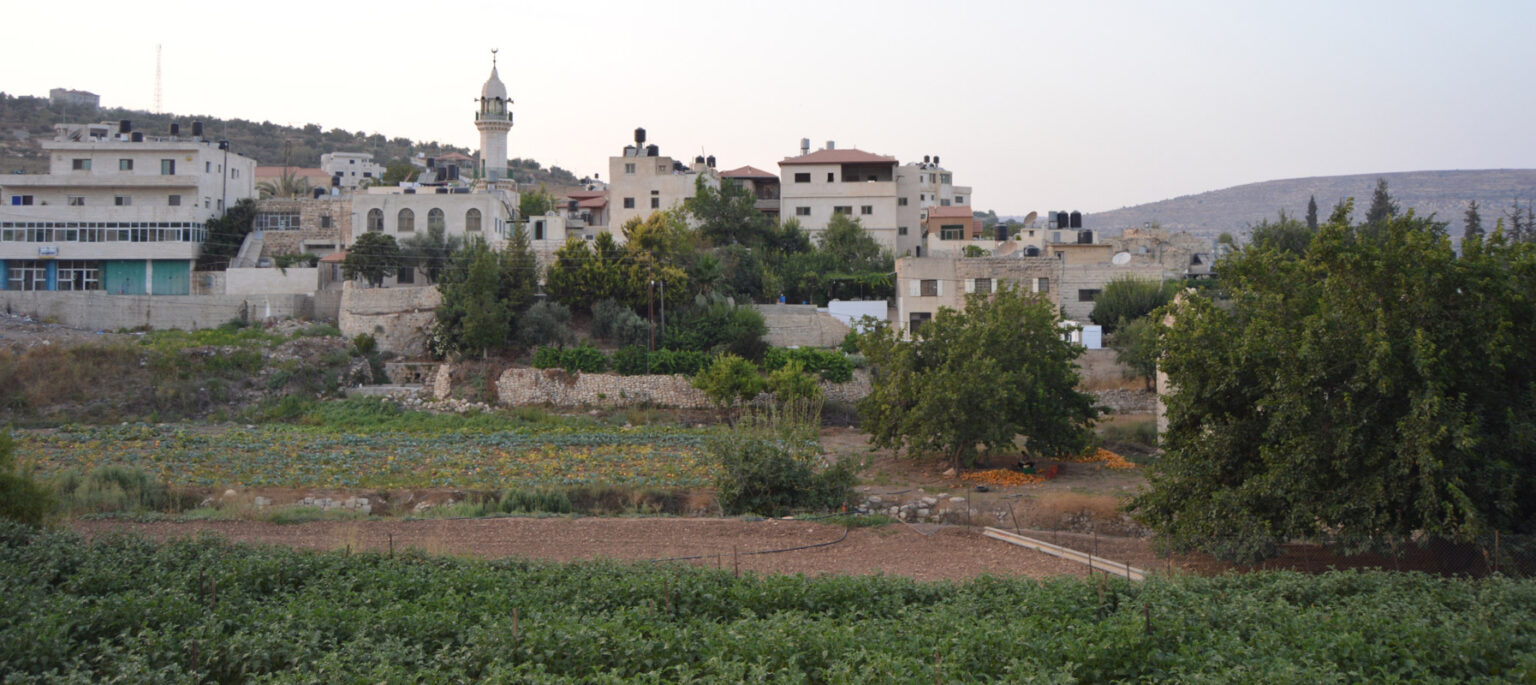
The Ramallah village attack has drawn renewed attention to the fragile security situation in the central West Bank. In a quiet rural community located near Ramallah, residents were confronted with sudden violence that left one Palestinian man injured and an entire village shaken. While such incidents are not new to the region, each occurrence deepens fear among civilians and reinforces concerns about long term stability.
For families living close to contested areas, daily life already carries uncertainty. The latest events underline how quickly routine moments can turn into emergencies, especially in villages where protection is limited and tensions remain high.
What Happened During the Incident
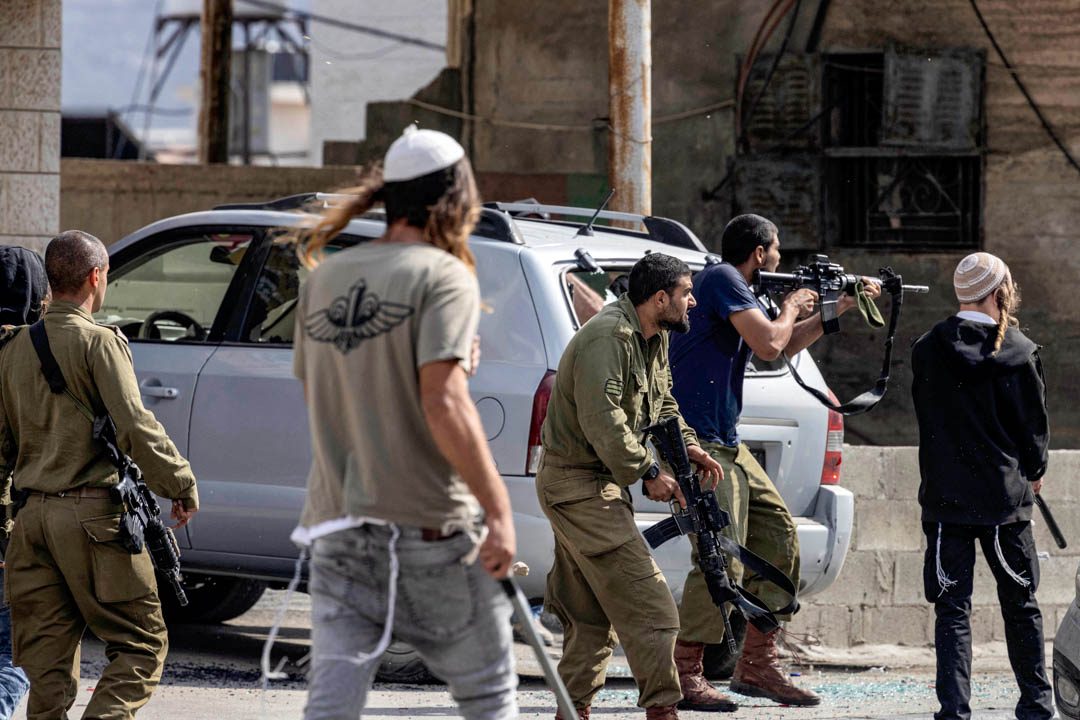
According to local accounts, the Ramallah village attack unfolded when a group of Israeli settlers entered land adjacent to the village. Witnesses describe escalating confrontations that began with shouting and quickly turned physical. A Palestinian man attempting to protect property or deescalate the situation was injured during the clash.
The incident occurred during daylight hours, amplifying fear among residents who say violence no longer happens only under cover of darkness. Villagers reported hearing cries for help and rushing to assist while others stayed indoors to protect children and elderly family members.
Immediate Impact on the Village
In the aftermath of the Ramallah village attack, daily life came to a near standstill. Shops closed early, farmers avoided nearby fields, and parents kept children home from school. Medical responders treated the injured man while neighbors gathered anxiously, sharing information and rumors.
Community leaders say the emotional impact is often overlooked. Fear spreads quickly in small villages, and even those not directly involved feel the weight of insecurity. Nights following such incidents are often sleepless, with families listening for unfamiliar sounds or movement outside.
Life Near Areas of Tension
Villages surrounding Ramallah exist in a complex environment shaped by checkpoints, restricted roads, and nearby settlements. The Ramallah village attack reflects broader challenges faced by rural communities trying to maintain normalcy under constant pressure.
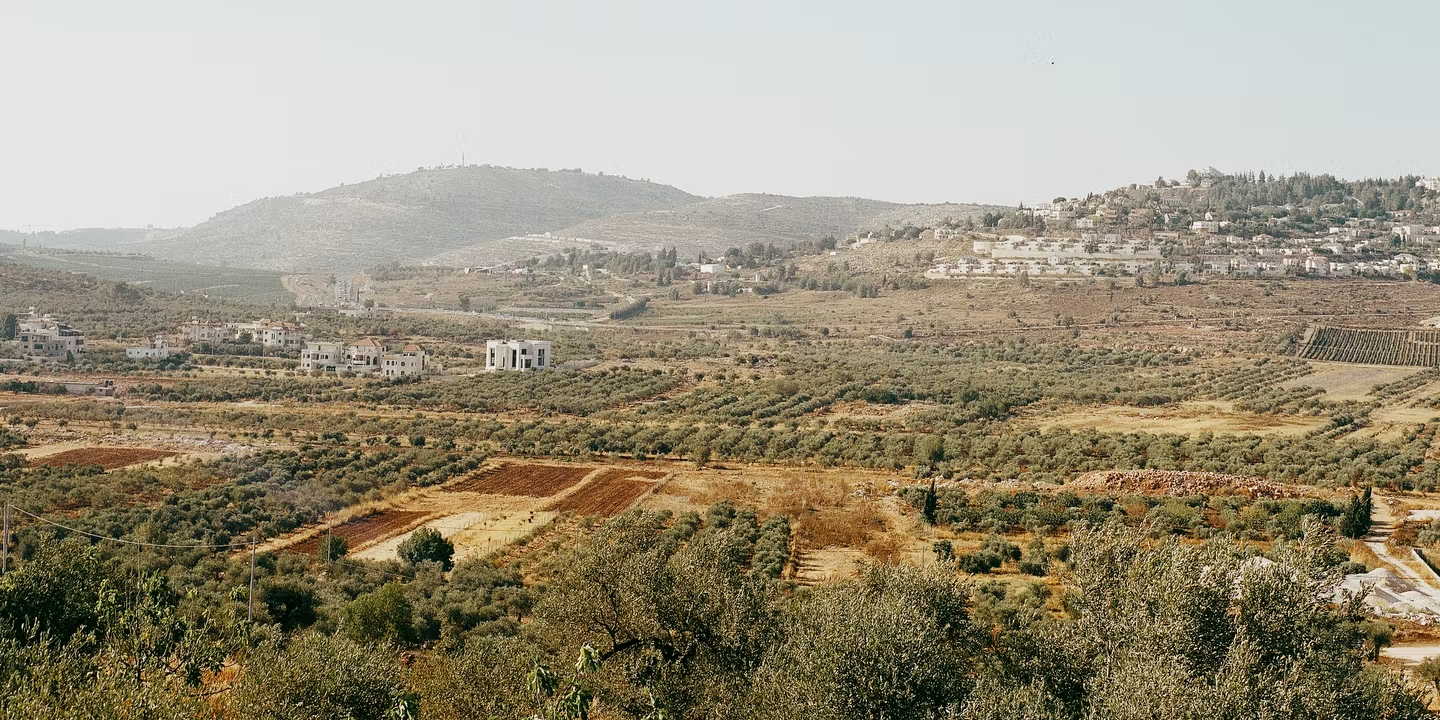
Agriculture remains a primary source of income for many families. When violence disrupts access to land, it threatens livelihoods as well as food security. Farmers describe harvesting seasons as periods of heightened stress, knowing disputes can arise without warning.
A Growing Pattern of Violence
Observers note that the Ramallah village attack fits into a wider pattern of rising incidents across the West Bank. Similar confrontations have been reported in villages north and south of Ramallah, often linked to land disputes or settlement expansion.
Human rights advocates argue that the frequency of such events increases when accountability is perceived as weak. Each new case reinforces a sense among villagers that protection mechanisms are insufficient to deter future violence.
Medical Response and Community Support
Following the Ramallah village attack, local medical teams acted quickly to stabilize the injured man and transport him for further treatment. Health workers emphasize that rapid response can mean the difference between recovery and lasting injury.
Community solidarity also played a crucial role. Neighbors provided assistance, transportation, and emotional support, demonstrating resilience despite fear. Such cooperation is often the first line of defense for villages facing recurring threats.
Psychological Effects on Residents
The psychological toll of the Ramallah village attack extends beyond physical wounds. Residents report heightened anxiety, especially among children who struggle to understand sudden violence near their homes.
Elders in the village say repeated incidents erode trust in the future. When safety feels uncertain, long term planning becomes difficult. Families hesitate to invest in homes, land, or education, fearing instability may worsen.
International Attention and Reactions
Incidents like the Ramallah village attack often draw concern from international observers monitoring conditions in the West Bank. Advocacy groups warn that civilian protection must remain a priority and that unchecked violence risks escalating broader tensions.
While statements of concern are common, villagers frequently question whether international attention leads to meaningful change. Many express frustration that similar events continue despite repeated warnings.
Legal and Accountability Questions
One of the most pressing issues following the Ramallah village attack is accountability. Residents and local representatives call for thorough investigations and legal consequences where appropriate.
Without accountability, trust in legal systems diminishes. Villagers argue that consistent enforcement of the law is essential to prevent future incidents and restore a sense of justice.
Daily Life After the Incident
In the days following the Ramallah village attack, routines slowly resumed, but caution remained. Farmers returned to fields in groups, children walked to school accompanied by adults, and villagers kept phones close in case of emergencies.
Such adaptations highlight how communities learn to live with risk. While resilience is strong, residents emphasize that resilience should not be mistaken for acceptance of violence.
Why This Incident Matters
The Ramallah village attack matters because it illustrates how localized violence can have far reaching consequences. It affects not only the injured individual but also families, economic activity, and social cohesion.
Each incident contributes to a broader narrative shaping perceptions of safety and justice in the region. Addressing these events is critical for preventing further deterioration of community relations.
Calls for Protection and Prevention
Following the Ramallah village attack, village leaders renewed calls for improved protection measures, clearer access rights to land, and stronger communication channels to prevent confrontations.
They argue that proactive steps, rather than reactive responses, are needed to safeguard civilians. Prevention, they say, is more effective than emergency response alone.
A Community Seeking Stability
Despite hardship, the village affected by the Ramallah village attack continues to seek stability and dignity. Residents emphasize their desire to live peacefully, work their land, and raise families without fear.
Their message is simple: security and justice are fundamental human needs. Without them, uncertainty becomes a constant companion.
The Ramallah village attack serves as a powerful reminder of the fragile balance shaping life in the West Bank. One moment of violence can alter the rhythm of an entire community, leaving lasting emotional and social scars.
As attention turns to prevention accountability and civilian protection, the voices of villagers remain central. Their experiences highlight the urgent need for solutions that prioritize safety stability and human dignity.