
Rabat, February 16, 2026 — Brussels Morning Newspaper — Morocco disaster response efforts accelerated across the country’s northwest region as floodwaters receded and thousands of residents began returning to damaged homes. Emergency crews, government agencies, and volunteer groups coordinated operations to restore infrastructure, deliver aid, and assess long term rebuilding needs.
Authorities confirmed that Morocco disaster response teams remain active in several districts where mudslides and road damage continue to disrupt transportation and essential services. The focus has shifted from rescue to recovery, but officials warn that rebuilding could take months.
Emergency Operations Shift Toward Recovery
The initial phase of Morocco disaster response centered on evacuations and life saving measures. Rescue teams used boats and heavy equipment to reach isolated neighborhoods where rising water levels trapped residents. Temporary shelters were established in schools and community centers.
With floodwaters now retreating, authorities are transitioning toward cleanup and infrastructure restoration. Roads blocked by debris are being cleared, and utility crews are working to restore electricity and drinking water access.
Officials emphasized that Morocco disaster response remains active despite the visible reduction in water levels, as structural risks and sanitation concerns persist.
Infrastructure Damage and Assessment Efforts
Preliminary inspections reveal extensive damage to bridges, rural roads, and irrigation systems. Engineers are evaluating structural integrity before permitting full public access.
Government representatives stated that Morocco disaster response includes a nationwide assessment plan to quantify economic losses. Agriculture has been heavily affected, with fields submerged and equipment damaged.
Reconstruction teams are prioritizing critical infrastructure such as hospitals and transportation corridors to support the broader recovery strategy.
Community Support and Volunteer Mobilization
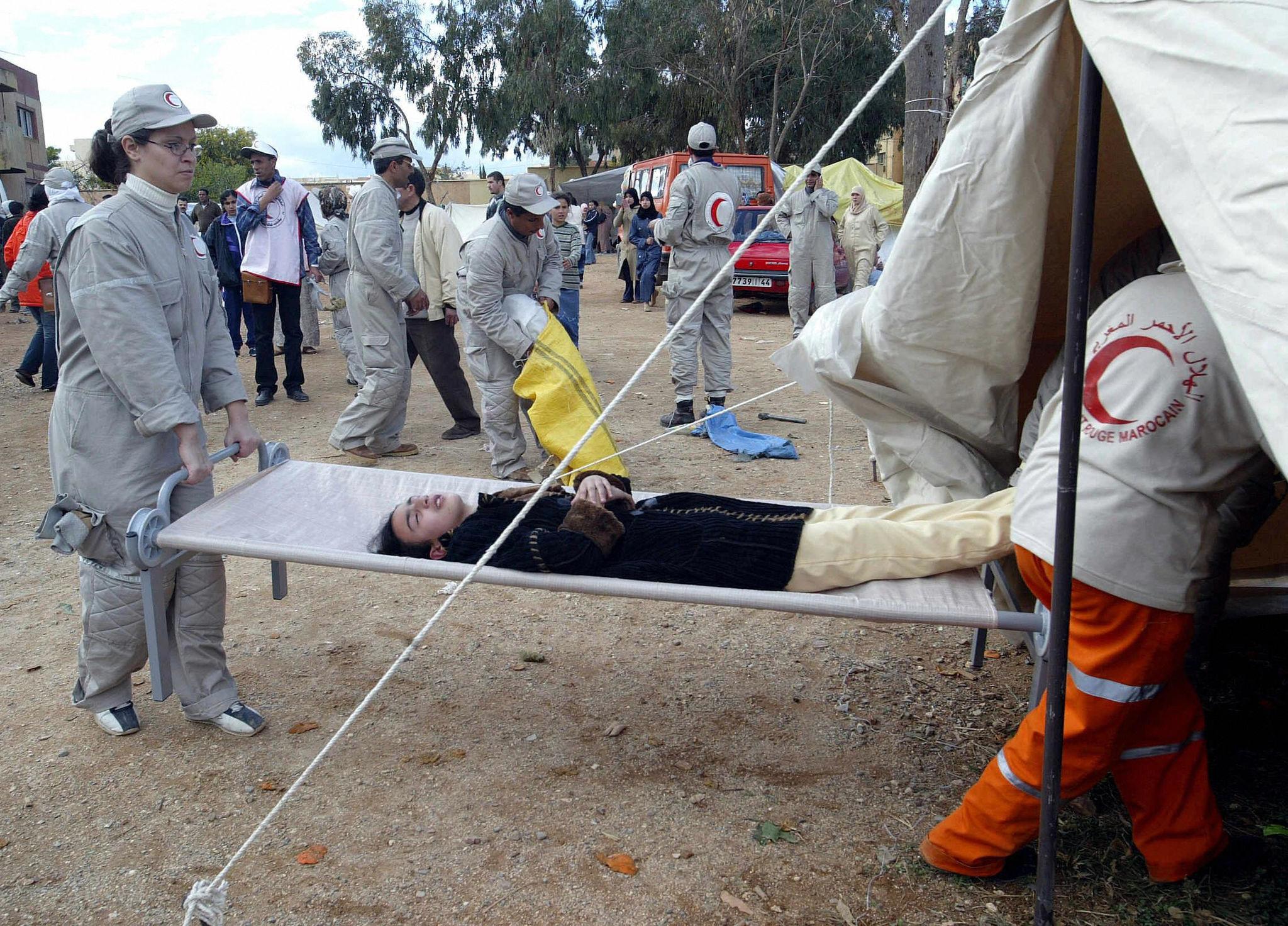
Local volunteers have played a significant role in Morocco disaster response efforts. Residents organized supply drives, distributed food and blankets, and assisted elderly neighbors in clearing debris.
Humanitarian organizations coordinated with municipal authorities to provide medical care and psychological support services. Social workers are addressing trauma among families displaced during the flooding.
Community solidarity has strengthened the effectiveness of Morocco disaster response operations, demonstrating collective resilience in the face of adversity.
Economic Consequences in the Northwest
The floods disrupted small businesses, local markets, and tourism dependent areas. Shop owners report inventory losses, while farmers anticipate reduced yields for the upcoming season.
As Morocco disaster response transitions into economic stabilization, government officials are discussing financial assistance packages. Loan deferrals and emergency grants may help accelerate recovery for affected entrepreneurs.
Economists caution that long term impacts will depend on the speed and efficiency of rebuilding initiatives.
Government Coordination and Policy Measures
National authorities deployed additional resources to support regional officials. Emergency funds were allocated to strengthen Morocco disaster response logistics and ensure rapid deployment of relief materials.
Parliamentary leaders have initiated discussions on enhancing flood prevention strategies. Investment in improved drainage systems and early warning technology is under consideration.
The prime minister’s office reiterated its commitment to transparency and timely support, highlighting the importance of coordinated Morocco disaster response at all levels of government.
Environmental and Climate Considerations
Meteorologists reported that unusually intense rainfall contributed to the flooding. Climate experts note that changing weather patterns may increase the frequency of such events.
In response, environmental planners are advocating for sustainable urban development. Morocco disaster response planning now includes resilience building measures to mitigate future risks.
River management, reforestation projects, and infrastructure modernization are being evaluated to strengthen long term environmental protection.

Human Stories from the Affected Regions
Families returning home describe emotional scenes as they confront damaged properties. Some residents found belongings scattered or destroyed by mud and water.
Despite hardship, optimism remains visible. One local resident stated,
“We have lost much, but we are grateful to be safe and determined to rebuild together.”
Such personal accounts underscore the human dimension of Morocco disaster response, revealing both vulnerability and perseverance.
International Assistance and Diplomatic Outreach
Several neighboring countries and humanitarian agencies have offered support. Relief supplies and technical expertise are being coordinated through diplomatic channels.
Morocco disaster response leaders expressed appreciation for international solidarity while emphasizing the nation’s capacity to manage its recovery process.
Cross border cooperation remains essential for addressing climate related challenges that transcend national boundaries.
Public Health and Safety Measures
Health officials are monitoring water quality to prevent disease outbreaks. Vaccination campaigns and sanitation programs are underway in temporary shelters.
Morocco disaster response includes public awareness campaigns advising residents on safe cleanup procedures and contamination risks.
Medical teams are providing care for injuries sustained during evacuations and for chronic conditions exacerbated by displacement.
Long Term Reconstruction Planning
Urban planners are drafting proposals to rebuild affected communities with stronger infrastructure. Improved drainage systems and elevated construction designs are being considered.
Morocco disaster response now enters a critical phase where immediate relief transitions into strategic redevelopment.
Financial institutions are collaborating with government agencies to ensure access to reconstruction funding for homeowners and businesses.

Economic Recovery and Regional Stability
As roads reopen and markets resume activity, gradual economic normalization is taking shape. Authorities aim to restore confidence among investors and tourists.
The effectiveness of Morocco disaster response will influence long term regional stability. Swift rebuilding can minimize economic disruption and preserve livelihoods.
Monitoring indicators such as employment rates and agricultural output will provide insight into recovery progress.
A Nation Rebuilding with Resolve
The recent floods tested infrastructure and community resilience, yet the unified approach to Morocco disaster response highlights national determination.
From emergency crews to volunteers and policymakers, collaborative action remains central to recovery. Rabat continues to oversee coordination efforts, ensuring resources reach the most affected areas.
While challenges persist, the commitment to rebuilding stronger reflects a forward looking vision.
Beyond the Floodwaters A Blueprint for Climate Resilience
The events of 2026 may serve as a catalyst for broader transformation. Morocco disaster response is evolving into a comprehensive resilience strategy that addresses infrastructure modernization, environmental sustainability, and community preparedness.
By integrating lessons learned from this crisis, policymakers aim to reduce vulnerability to future natural disasters. The path forward involves not only restoring what was lost but strengthening systems to withstand emerging climate realities.
In the aftermath of devastation, the country stands at a turning point. Through disciplined planning, coordinated leadership, and community solidarity, Morocco disaster response efforts could become a model for adaptive resilience in the years ahead.