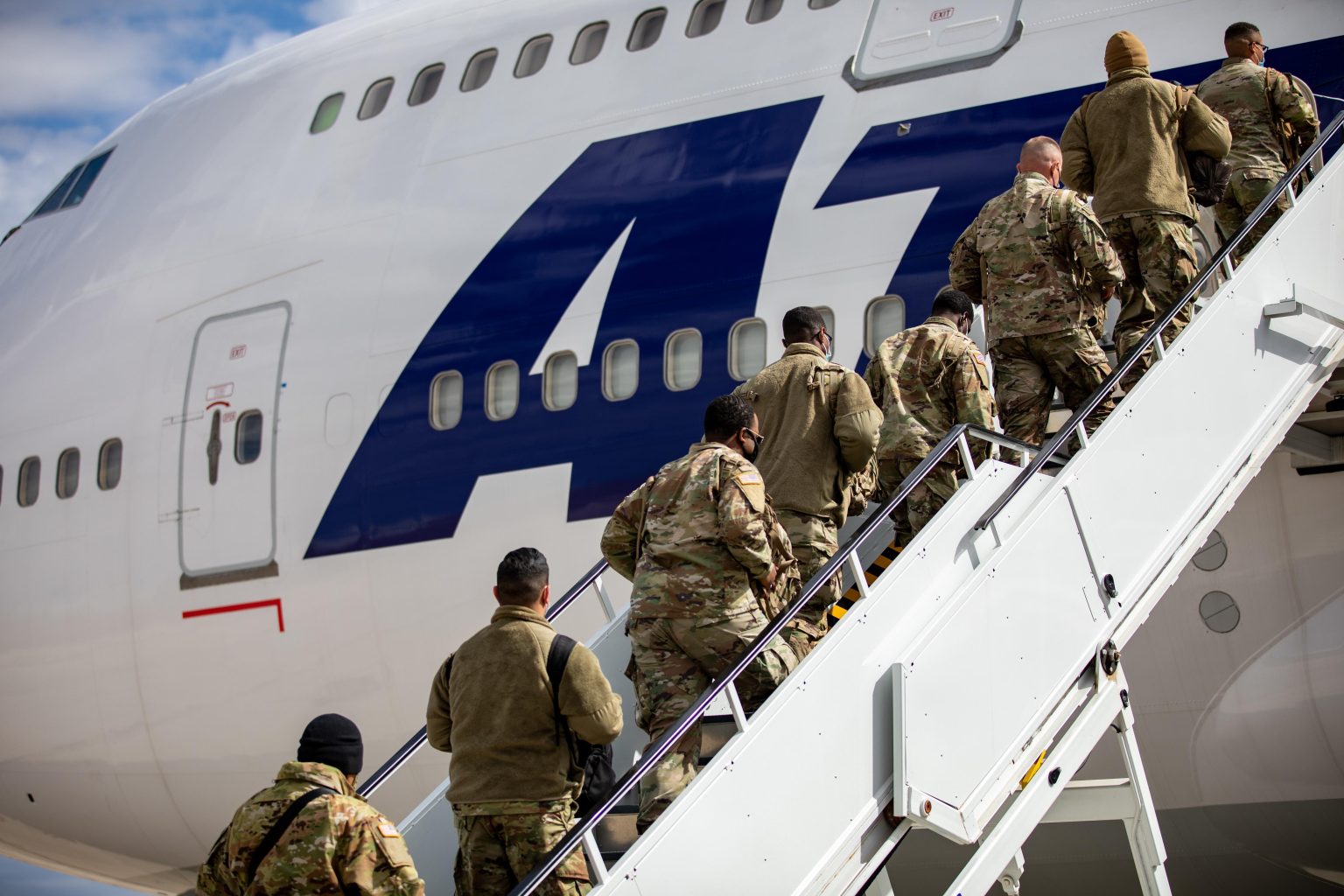
WASHINGTON, D.C., June 7 – Brussels Morning Newspaper — military deployment update developments continue to affect thousands of U.S. service members and their families as military operations overseas remain active amid ongoing geopolitical tensions. Extended deployments, changing mission requirements, and heightened readiness levels have become part of daily life for many military households, creating new challenges for troops both abroad and at home.
Defense officials continue monitoring global security conditions while maintaining military readiness across multiple regions. As deployments continue, military communities throughout the United States are adjusting to a reality shaped by uncertainty and evolving operational demands.
“Service members and their families demonstrate remarkable resilience during periods of extended deployment and uncertainty,”
a military support advocate said.
Extended Deployments Remain a Key Concern
The latest military deployment update highlights how deployment schedules have become increasingly unpredictable for some service members. While military personnel are trained to adapt to changing mission requirements, extended assignments can create additional challenges for families managing responsibilities at home.
Military installations across the country continue supporting deployed personnel through readiness programs, communication resources, and family assistance initiatives. Many families rely on support networks and military organizations to help navigate prolonged separations.
Defense experts note that maintaining readiness while supporting family well-being remains a critical priority for military leadership.
Families Adjust to Changing Routines
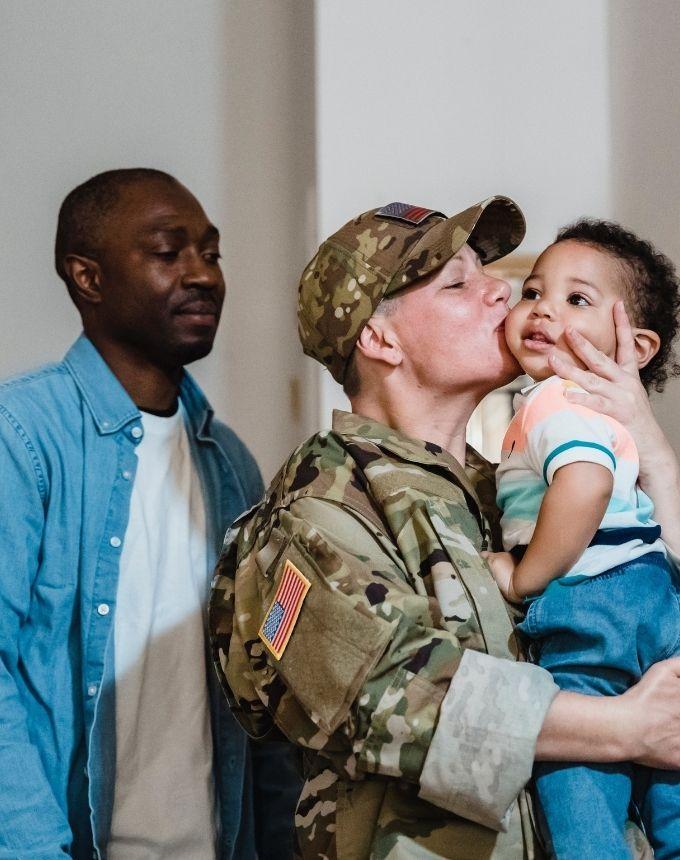
For many households, the current military deployment update reflects more than operational developments—it represents significant lifestyle adjustments. Spouses often take on additional responsibilities related to childcare, finances, education, and household management during deployments.
Military family organizations report that support programs remain essential in helping families cope with the emotional and practical challenges associated with long-term assignments.
Children of deployed service members also face unique circumstances, often adapting to extended periods without a parent at home. Schools near military communities continue offering specialized support services designed to assist military-connected students.
Readiness Efforts Continue Across the Armed Forces
Another important aspect of the current military deployment update involves ongoing readiness initiatives. Military units continue training and preparation efforts to ensure personnel remain capable of responding to changing global conditions.
Readiness activities include advanced training exercises, equipment maintenance, logistical planning, and coordination among allied forces. Defense officials emphasize that preparedness remains a key component of national security strategy.
Military leaders have repeatedly stated that maintaining a highly trained and capable force is essential regardless of the duration of overseas operations.
“Readiness ensures our forces can respond effectively whenever and wherever they are needed,”
a defense analyst noted.
Military Communities Strengthen Support Networks
Communities surrounding military bases have expanded efforts to support deployed troops and their families. The latest military deployment update shows that local organizations, nonprofits, veterans groups, and volunteer networks continue providing valuable assistance.
Programs ranging from counseling services and family events to emergency assistance and educational resources help reduce some of the burdens associated with deployment.
Many military families report that strong community connections play a vital role in helping them navigate periods of uncertainty and separation.
Future Outlook Remains Uncertain
While military operations continue, the long-term outlook remains difficult to predict. Defense planners must prepare for a variety of scenarios while maintaining flexibility to respond to evolving international developments.
The current military deployment update underscores the importance of adaptability within both military organizations and military families. As conditions change, service members and their loved ones continue demonstrating resilience and commitment despite ongoing challenges.
Analysts suggest that future deployment requirements will largely depend on developments in global security environments and policy decisions made in the months ahead.