A military honors ceremony stands among the most solemn and meaningful traditions of the United States armed forces. When National Guard members lose their lives while serving overseas, the nation pauses to honor their sacrifice through rituals rooted in history discipline and respect. These ceremonies are not symbolic gestures. They are deliberate acts of remembrance that acknowledge duty courage and loss.
As the United States continues operations abroad including missions in Syria, the role of the National Guard has expanded significantly. Their service places them in harm’s way far from home. A military honors ceremony ensures that their return is marked not by silence but by dignity honor and national gratitude.
What Is a Military Honors Ceremony
A military honors ceremony is a formal observance conducted by the US military to recognize fallen service members. It follows strict protocols developed over generations. Each movement each salute and each pause carries meaning.
These ceremonies may include a dignified transfer a funeral honors service or a burial ceremony. Regardless of location the purpose remains the same to honor service members who gave their lives while serving the nation.
A military honors ceremony is not optional. It is a commitment. The military promises that no service member will be forgotten and no sacrifice will go unrecognized.
The Importance of Dignified Transfers
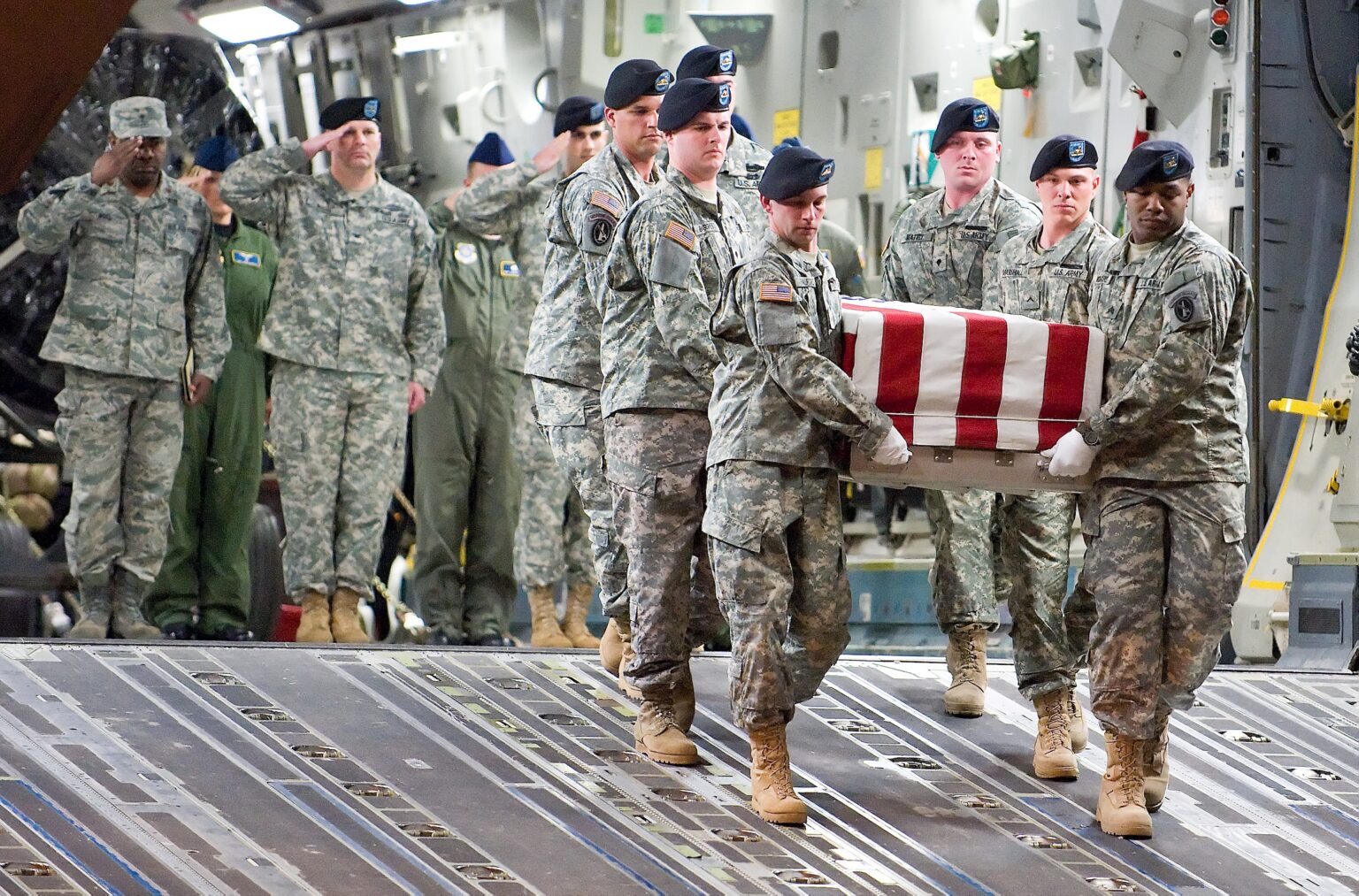
One of the most visible forms of a military honors ceremony is the dignified transfer. This occurs when fallen service members are returned to US soil usually at Dover Air Force Base. The ceremony is conducted with silence precision and respect.
Flag draped transfer cases are carried by an honor guard whose movements are synchronized and deliberate. There is no applause no speeches and no spectacle. The silence itself conveys honor.
For families a dignified transfer is often the first moment of closure. For the nation it is a reminder that freedom comes at a cost paid by individuals not abstractions.
National Guard Service and Sacrifice
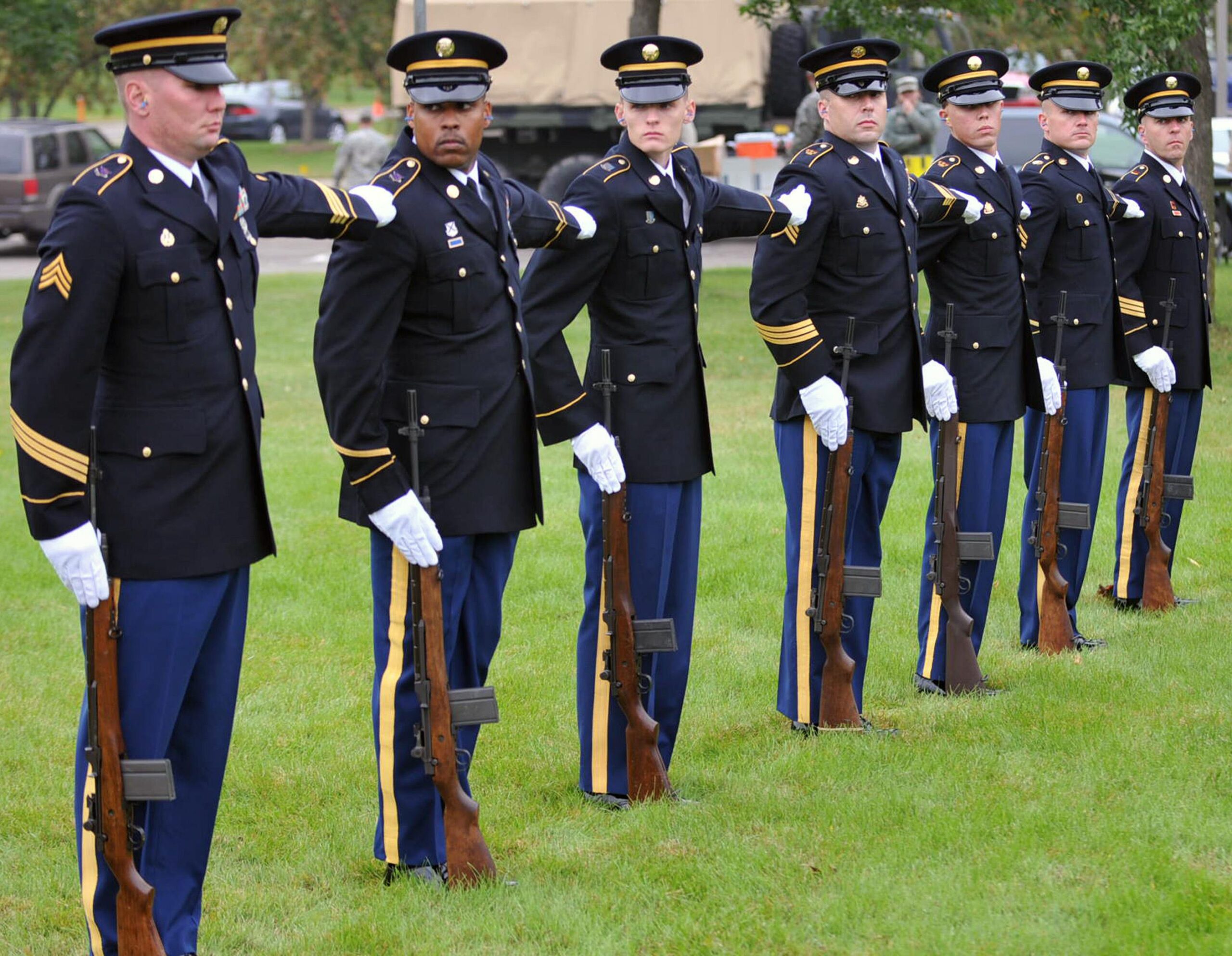
The National Guard occupies a unique position within the US military. Guard members serve their states and the federal government often balancing civilian careers with military readiness. When deployed overseas they face the same dangers as active duty forces.
A military honors ceremony recognizes that National Guard members are not part time patriots. Their sacrifice is equal to that of any other branch. When Guard members are killed in Syria it underscores the reality that modern conflict does not distinguish between components of service.
Their deaths are reminders that even support and stabilization missions carry life threatening risks.
Why Military Honors Ceremonies Matter
A military honors ceremony serves several essential purposes. It honors the fallen. It supports grieving families. It reinforces morale among active service members. And it maintains public awareness of the human cost of military operations.
Without these ceremonies sacrifice becomes invisible. A nation that forgets its fallen risks undervaluing service itself. Military honors ceremonies ensure that remembrance remains institutional not optional.
They also provide structure during grief. Ritual allows families to process loss within a framework of respect shared by the nation.
Presidential and Leadership
Attendance by national leaders at a military honors ceremony carries symbolic significance. It represents acknowledgment at the highest level of government that a life given in service matters.
While leadership presence may vary by administration the ceremony itself does not change. The protocols are the same whether attended by senior officials or conducted privately.
This consistency reinforces the principle that honor is not political. A military honors ceremony exists outside partisan boundaries.
Military Traditions Behind the Ceremony
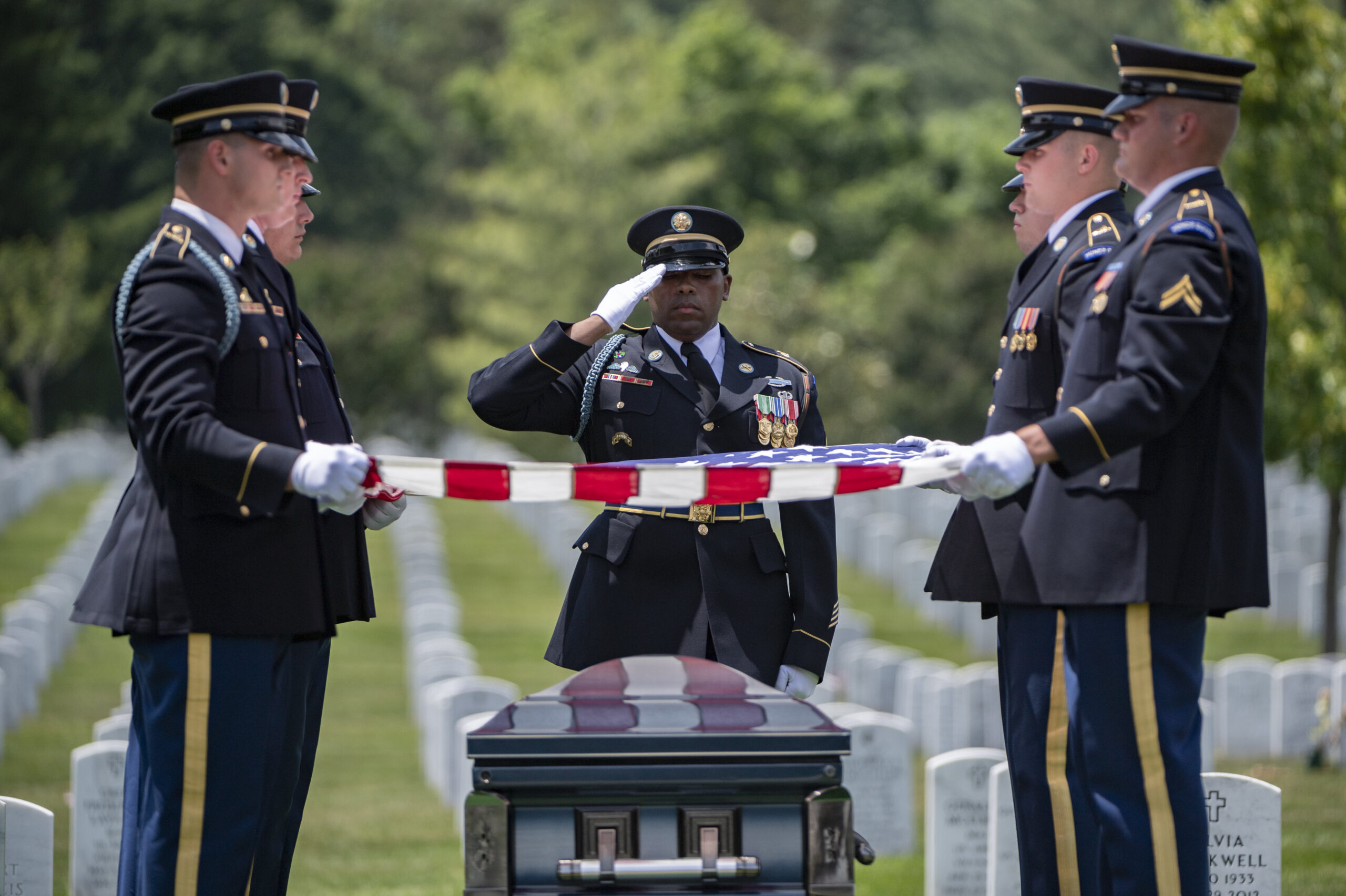
Military honors ceremonies are built upon traditions dating back centuries. The flag draped casket symbolizes the nation the honor guard represents unity and the salute reflects respect.
Every element has meaning. Even the spacing between movements is intentional. These traditions connect today’s service members with those who served in previous generations.
By maintaining these traditions the military preserves continuity and reinforces the values of duty sacrifice and honor.
Families at the Heart of the Ceremony
Although ceremonies are public events the focus remains on families. The military works closely with next of kin to ensure wishes are respected. Some families attend dignified transfers others prefer privacy.
A military honors ceremony does not belong to spectators. It belongs to the fallen and their loved ones. Every aspect is designed to support them during an unimaginably difficult time.
The presence of uniformed service members standing in silent respect sends a powerful message that the fallen were never alone and will not be forgotten.
The Syria Mission Context
US operations in Syria have involved counter-terrorism efforts regional stabilization and support for allied forces. National Guard units often provide logistical intelligence and security support.
A military honors ceremony following deaths in Syria prompts renewed discussion about the scope and duration of overseas deployments. While policy debates continue the ceremony itself remains focused solely on honoring service.
It reminds the public that decisions made in Washington have real consequences for service members and their families.
Public Reaction and National Reflection
When news of a military honors ceremony emerges communities often respond with moments of silence lowered flags and memorial gatherings. Veterans organizations and military families express solidarity across social platforms.
These reactions reflect collective respect rather than political alignment. A military honors ceremony invites reflection not argument.
For many Americans it is a rare moment when national attention shifts from headlines to humanity.
Supporting Military Families Beyond the Ceremony
Honoring the fallen does not end when a ceremony concludes. Supporting families requires long term commitment including benefits counseling mental health services and community support.
A military honors ceremony is the beginning of remembrance not the end. The nation’s responsibility continues through care advocacy and respect for those left behind.
Why These Ceremonies Endure
Military honors ceremonies endure because they matter. They reinforce national values remind citizens of shared sacrifice and ensure that service members are honored with dignity.
In an era of rapid news cycles and political division these ceremonies stand apart. They are quiet intentional and unchanging.
A military honors ceremony does not seek attention. It commands respect.
A military honors ceremony is one of the most profound expressions of national gratitude. It honors National Guard members who gave their lives in service and affirms a promise that sacrifice will never be ignored.
As fallen service members return home through dignified transfers the nation is reminded that freedom is preserved by individuals willing to serve even at the highest cost.
These ceremonies are not moments of spectacle. They are moments of truth.