
Brussel Morning briefings among diplomats and international observers are once again centered on Middle East peace efforts as renewed dialogue initiatives emerge across a region long defined by conflict and instability. From high level summits to behind the scenes mediation regional actors are signaling a willingness to explore political solutions even as fighting continues in several hotspots.
The renewed focus on Middle East peace efforts reflects mounting recognition that prolonged conflict has imposed unacceptable human economic and security costs. While skepticism remains high the resurgence of diplomacy marks a significant moment in a region where military solutions have repeatedly failed to deliver lasting stability.
A Region Shaped by Prolonged Conflict
The modern Middle East has endured decades of political upheaval wars and unresolved disputes. Competing national interests ideological divides and external interventions have created a complex security landscape. Civilians across the region continue to bear the brunt of violence displacement and economic hardship.
Against this backdrop Middle East peace efforts are not simply diplomatic exercises but essential lifelines for millions. Each attempt at dialogue carries the weight of past failures and the hope of breaking cycles of violence that have defined generations.
Why Middle East Peace Efforts Are Gaining Momentum Now
Several converging factors have revived diplomatic momentum. War fatigue among populations economic pressures and shifting geopolitical priorities have encouraged leaders to reassess long standing strategies. Global powers increasingly favor de escalation to protect trade routes energy markets and regional stability.
As a result Middle East peace efforts are being reframed as pragmatic necessities rather than idealistic aspirations. Dialogue is increasingly viewed as the only viable path forward amid diminishing appetite for open ended conflict.
Key Players Driving Regional Diplomacy
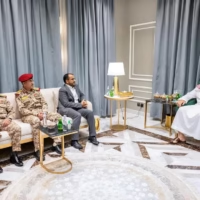
Regional powers including Saudi Arabia have taken more visible roles in facilitating talks and encouraging political engagement. Their involvement signals an evolving approach that prioritizes stability and economic development alongside security concerns.
Countries affected directly by conflict such as Yemen remain central to these discussions. Inclusive engagement with local actors is widely seen as essential to the credibility of Middle East peace efforts.
Peace Efforts Amid Ongoing Violence
Despite renewed diplomacy violence persists in several parts of the region. Armed clashes air strikes and militant activity continue to undermine trust and complicate negotiations.
This tension defines the current phase of Middle East peace efforts. Talks are advancing not because fighting has ended but because its continuation has proven unsustainable. Negotiators face the challenge of building dialogue while managing active hostilities.
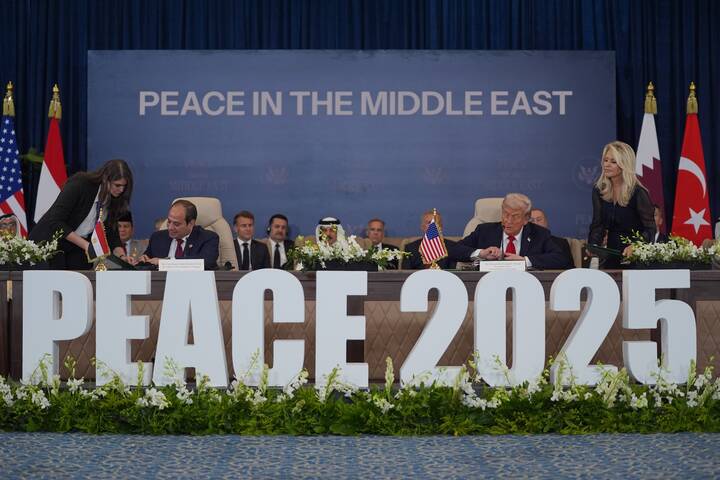
Humanitarian Crisis as a Catalyst for Peace
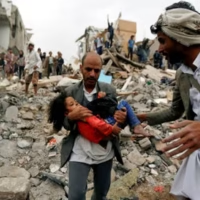
Humanitarian conditions across conflict zones remain dire. Millions face food insecurity limited healthcare and displacement. Aid agencies warn that continued instability risks deepening already catastrophic situations.
For many observers Middle East peace efforts are driven by humanitarian urgency. Even limited agreements enabling aid access or localized ceasefires could significantly ease civilian suffering and build confidence for broader political solutions.
Economic Pressures and Regional Stability
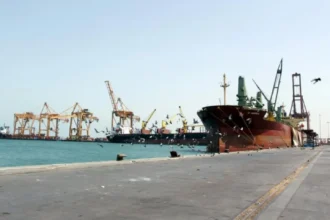
Conflict has severely disrupted regional economies damaging infrastructure trade and investment. Youth unemployment and currency instability threaten long term social cohesion.
Progress in Middle East peace efforts could unlock economic cooperation reconstruction funding and cross border trade opportunities. Economic incentives increasingly serve as leverage to encourage compromise among rival actors.
The Role of International Mediation
International organizations and foreign governments continue to support regional diplomacy through mediation technical assistance and political backing. Their involvement helps bridge gaps between parties while providing guarantees and monitoring mechanisms.
However Middle East peace efforts ultimately depend on regional ownership. External support can facilitate dialogue but cannot substitute for local political will.
Challenges Undermining Peace Negotiations
Deep mistrust remains one of the greatest obstacles. Historical grievances broken agreements and competing visions for governance complicate negotiations.
These realities mean Middle East peace efforts must prioritize confidence building measures transparency and phased implementation. Without trust even well designed agreements risk collapse.
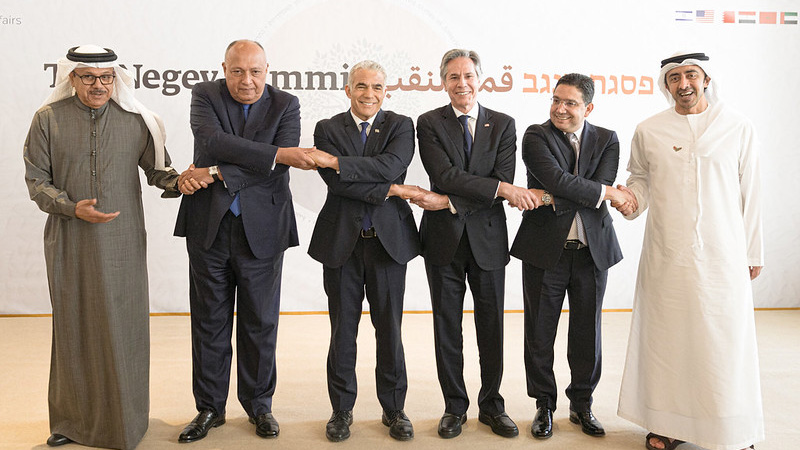
Public Opinion and War Fatigue
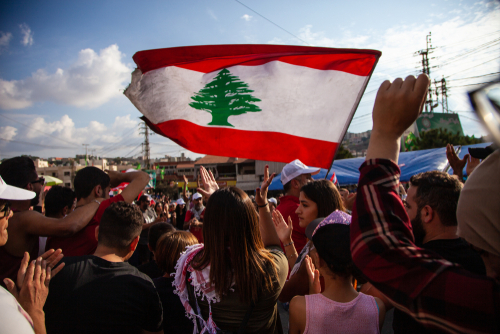
Public sentiment across the region reflects exhaustion and skepticism. Many citizens have witnessed repeated peace initiatives fail to deliver tangible change.
Yet surveys and grassroots movements suggest growing support for dialogue. For ordinary people Middle East peace efforts represent hope for stability dignity and economic opportunity after years of hardship.
Media Influence and Information Integrity
Media coverage shapes perceptions of diplomacy and conflict. Sensational narratives can inflame tensions while balanced reporting fosters understanding.
For Google News compliant journalism coverage of Middle East peace efforts must emphasize verified facts context and neutrality. Responsible reporting supports informed public discourse and reduces misinformation risks.
Regional Power Shifts and Strategic Calculations
Shifting alliances and evolving regional power dynamics influence peace initiatives. Economic diversification and security cooperation are increasingly prioritized over ideological confrontation.
These shifts create openings for Middle East peace efforts by aligning national interests with stability rather than prolonged rivalry.
Ceasefires as Building Blocks for Peace
Temporary ceasefires have often served as entry points for broader negotiations. While fragile they can reduce violence and create space for humanitarian work.
Within Middle East peace efforts ceasefires are viewed as pragmatic tools rather than final solutions. Their success depends on monitoring enforcement and political commitment.
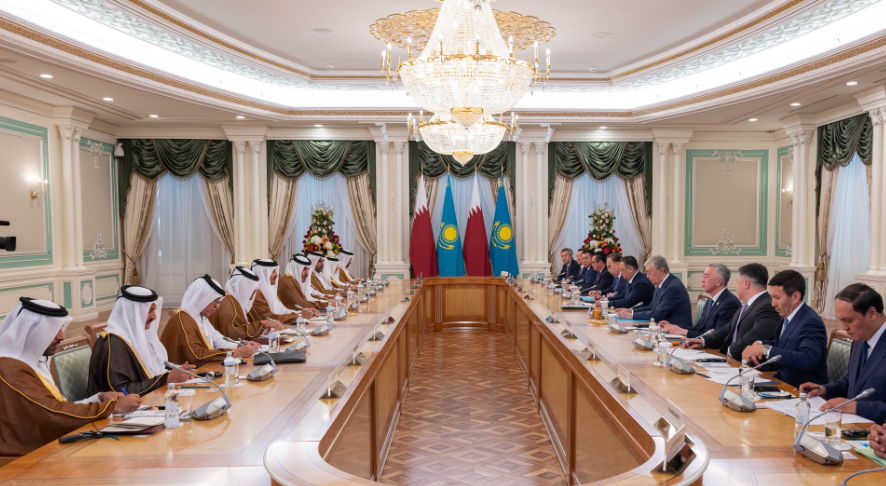
The Importance of Inclusive Dialogue
Excluding key stakeholders has undermined past peace processes. Inclusive dialogue that reflects realities on the ground is essential to sustainable outcomes.
Effective Middle East peace efforts require participation from political factions civil society and marginalized communities to ensure legitimacy and durability.
Long Term Vision for Regional Peace
Beyond ending immediate conflicts peace initiatives must address governance economic reform and social reconciliation. These long term challenges demand sustained commitment.
Middle East peace efforts are increasingly framed within broader visions of regional integration economic cooperation and shared security.
Risks of Failure and the Cost of Inaction
Failure carries high costs. Continued conflict threatens regional spillover economic disruption and humanitarian catastrophe.
Recognizing these risks leaders are under pressure to deliver results. The stakes surrounding Middle East peace efforts have rarely been higher.
What Comes Next in Regional Diplomacy
Upcoming meetings confidence building measures and potential ceasefire announcements will test the seriousness of current initiatives.
As Middle East peace efforts advance observers will focus on concrete actions rather than rhetoric measuring success through reduced violence and improved civilian conditions.
Middle East Peace Efforts at a Defining Crossroads
Middle East peace efforts stand at a defining crossroads where diplomacy must overcome entrenched conflict mistrust and humanitarian crisis. While challenges remain immense the renewed push for dialogue reflects growing recognition that peace is not optional but essential. The decisions made in this moment will shape the region’s future determining whether cycles of violence continue or give way to stability cooperation and hope.