Brussels morning diplomatic discussions have returned to the global spotlight as the US vice president claims Maduro was offered multiple off ramps, signaling that escalating tensions with Venezuela may not have been inevitable. The statement reframes recent events by emphasizing diplomacy warning mechanisms and repeated opportunities presented to Caracas before relations deteriorated. As international audiences assess responsibility and consequences this revelation adds a new dimension to the unfolding geopolitical narrative.
The claim underscores a central theme in modern diplomacy that confrontation is often preceded by a series of alternatives aimed at de-escalation. According to senior US leadership these options were clearly communicated yet ultimately rejected. The implications extend beyond Washington and Caracas affecting regional stability energy markets and global security planning.
US Attorney General Details Federal Allegations
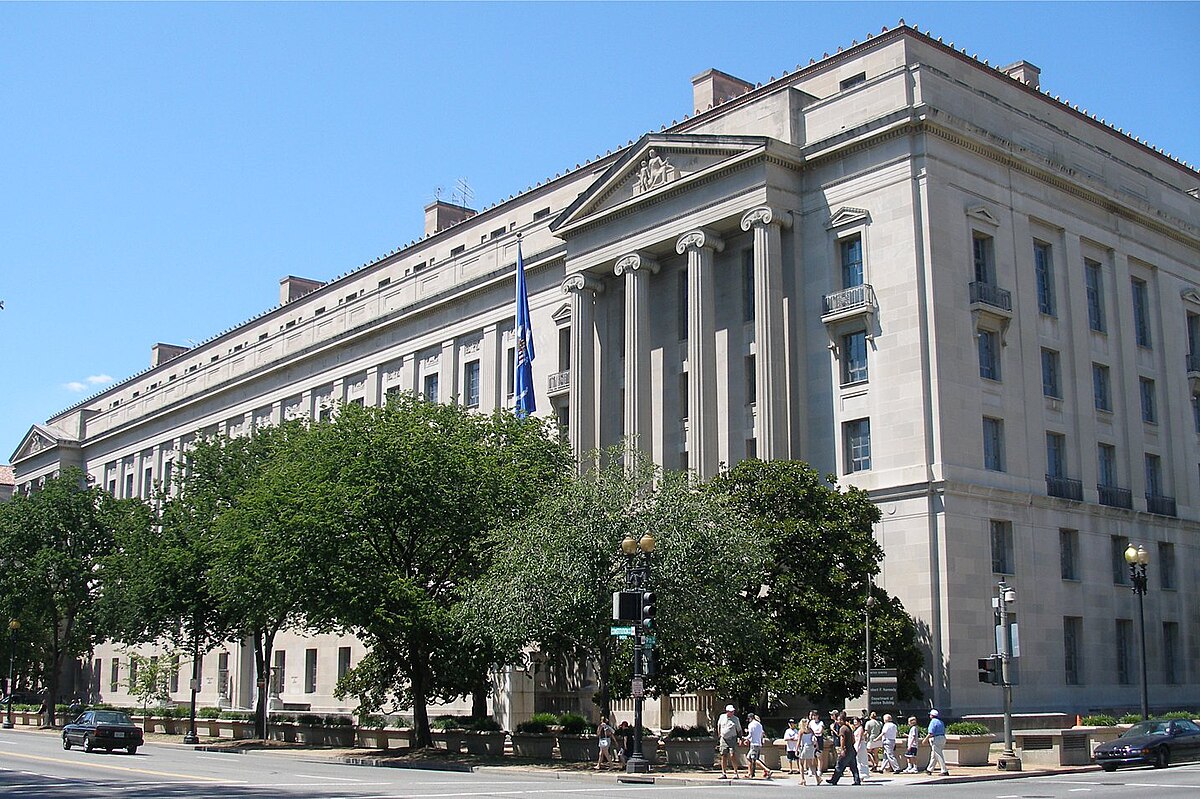
Speaking from Washington, the United States Department of Justice described the indictment as the result of “extensive, corroborated investigations” involving multiple agencies. Prosecutors allege that Maduro and Flores used Venezuela’s state apparatus to facilitate drug trafficking operations while undermining democratic institutions.
The Attorney General emphasized that the Maduro indicted action does not target the Venezuelan people, but rather individuals accused of exploiting public office for personal and political gain. Officials pointed to alleged coordination with criminal networks, manipulation of state contracts, and the shielding of illicit activities through government channels.
Legal analysts note that bringing charges in New York allows US authorities to assert jurisdiction over international financial transactions allegedly routed through American banks, a common strategy in transnational crime prosecutions.
Political Context Behind the Maduro Indicted Decision
The indictment arrives amid heightened tensions between Washington and Caracas, following years of contested elections, economic collapse, and mass migration from Venezuela. The United States has long rejected the legitimacy of Maduro’s presidency, imposing sanctions while supporting opposition-led democratic initiatives.
By formally declaring Maduro indicted, US prosecutors have moved the confrontation from the diplomatic arena into the courtroom. Observers say this signals a belief within Washington that traditional pressure tools have failed to produce political change.
The timing also reflects broader geopolitical calculations, including Venezuela’s growing ties with Russia, China, and Iran. Analysts suggest the indictment is intended to reinforce international norms around corruption and narcotics trafficking while limiting Caracas’s ability to normalize relations without accountability.
Cilia Flores and the Expansion of the Case
The inclusion of Cilia Flores significantly broadens the scope of the prosecution. Often referred to as Venezuela’s most powerful political insider, Flores has long been accused by critics of wielding influence behind the scenes.
Prosecutors allege that Flores played a central role in coordinating political protection and financial logistics related to the charges. Her indictment underscores that the Maduro indicted case is not limited to symbolic leadership accusations but targets what US officials describe as a governing network.
Previous US cases involving Venezuelan officials have resulted in convictions and extraditions, lending credibility to Washington’s claim that legal accountability is achievable even in complex international cases.

Venezuela’s Government Rejects the Charges
Within hours of the announcement, Venezuela’s government issued a statement condemning the indictment as “political persecution.” Officials in Caracas dismissed the Maduro indicted case as an extension of US interventionism and vowed that the president would never recognize American courts.
State media portrayed the charges as an attempt to destabilize Venezuela’s sovereignty, while pro-government rallies were organized in support of Maduro. The administration insisted that no US court holds jurisdiction over Venezuelan leadership acting within national borders.
Despite the defiant rhetoric, economic analysts noted immediate market reactions, including renewed uncertainty around oil production, sanctions enforcement, and foreign investment risk.
International Reactions and Diplomatic Fallout
Global reaction to the Maduro indicted announcement has been cautious but significant. Several European officials reiterated calls for democratic reform while stopping short of endorsing the prosecution outright. Latin American governments offered mixed responses, reflecting deep regional divisions over Venezuela’s future.
Human rights organizations welcomed the indictment as a potential step toward accountability, while others warned that legal escalation could harden political positions and complicate negotiations aimed at easing Venezuela’s humanitarian crisis.
The case also raises questions about diplomatic immunity, extradition feasibility, and whether Maduro could face arrest if traveling outside Venezuela. Legal experts suggest his international mobility may now be severely restricted.

Legal Path Forward in New York
The Southern District of New York has built a reputation for prosecuting high-profile international cases involving terrorism, corruption, and organized crime. Prosecutors confirmed that proceedings would move forward regardless of whether the defendants appear in court.
Under US law, the Maduro indicted status allows authorities to seek asset seizures, expand sanctions enforcement, and pursue cooperating witnesses. Officials acknowledged that extradition remains unlikely in the near term but stressed that legal pressure accumulates over time.
Similar cases involving foreign leaders have taken years to resolve, often culminating in arrests following political transitions or international cooperation shifts.
Impact on Venezuela’s Political Future
Domestically, the indictment complicates Venezuela’s already fragile political environment. Opposition figures argue that Maduro indicted status further undermines claims of legitimacy and strengthens calls for internationally supervised elections.
Supporters of the government counter that external legal pressure only reinforces nationalist sentiment and resistance to foreign influence. Analysts warn that the case could either accelerate political change or entrench the status quo, depending on internal dynamics and economic conditions.
The indictment also affects negotiations over sanctions relief, particularly related to oil exports. US officials indicated that accountability and reform remain prerequisites for meaningful normalization.
Global Implications of the Maduro Indicted Case
Beyond Venezuela, the case sets a precedent for how the United States pursues foreign leaders accused of transnational crimes. The Maduro indicted decision sends a message to governments worldwide that geopolitical status does not guarantee immunity from US courts.
Experts say the move may influence how other nations calculate legal risks when engaging in illicit financial networks that touch American institutions. At the same time, critics caution that selective enforcement could fuel accusations of double standards in international justice.

A Defining Moment for Accountability
As the New York case moves forward, the Maduro indicted announcement stands as a defining moment in US Venezuela relations. Whether it ultimately results in courtroom proceedings or remains a symbolic act, the indictment reshapes diplomatic, legal, and political calculations across multiple continents.
For now, the charges underscore an enduring reality: Venezuela’s crisis is no longer confined within its borders. It has become a test case for how international law, national sovereignty, and global accountability intersect in an era of geopolitical rivalry.