
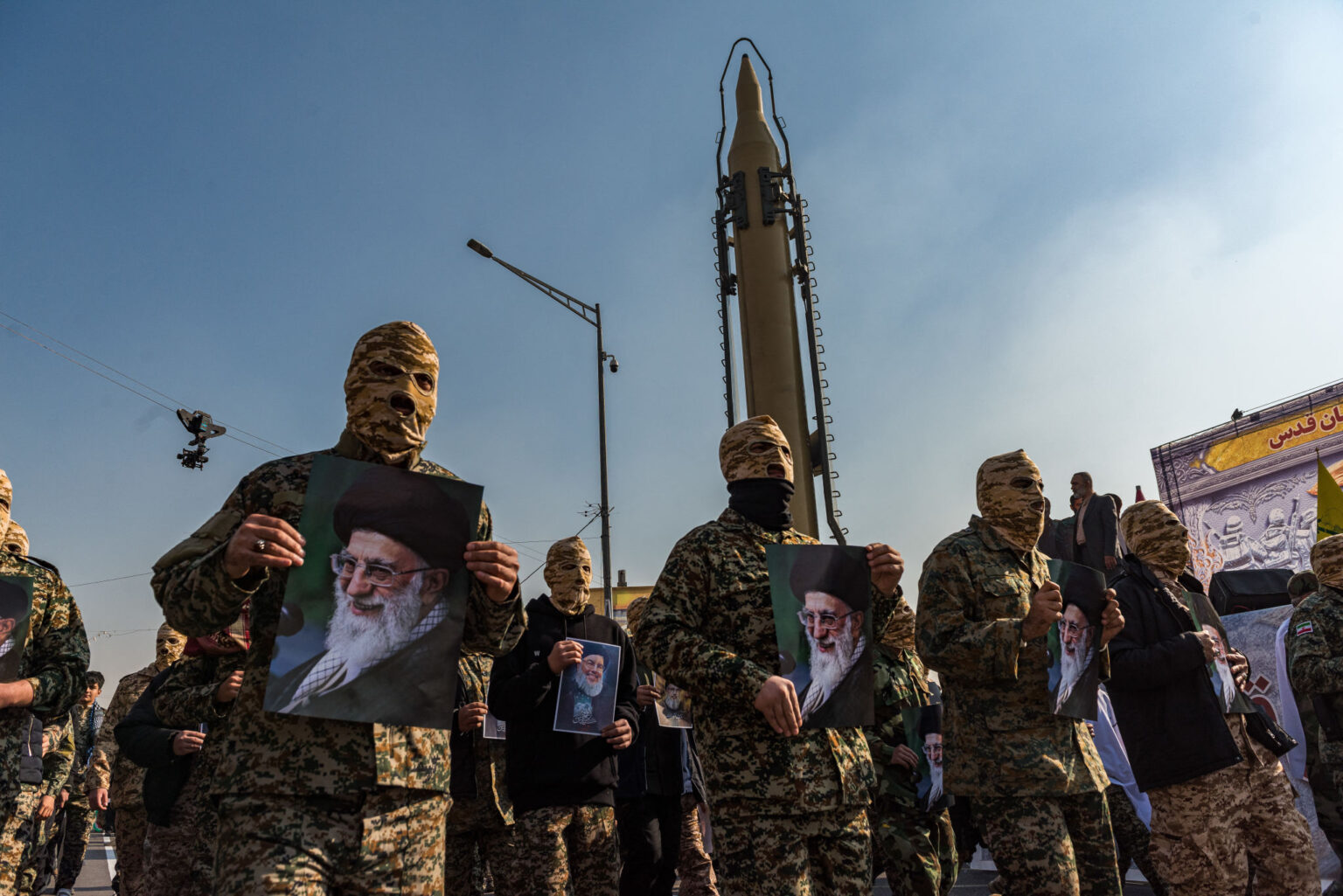
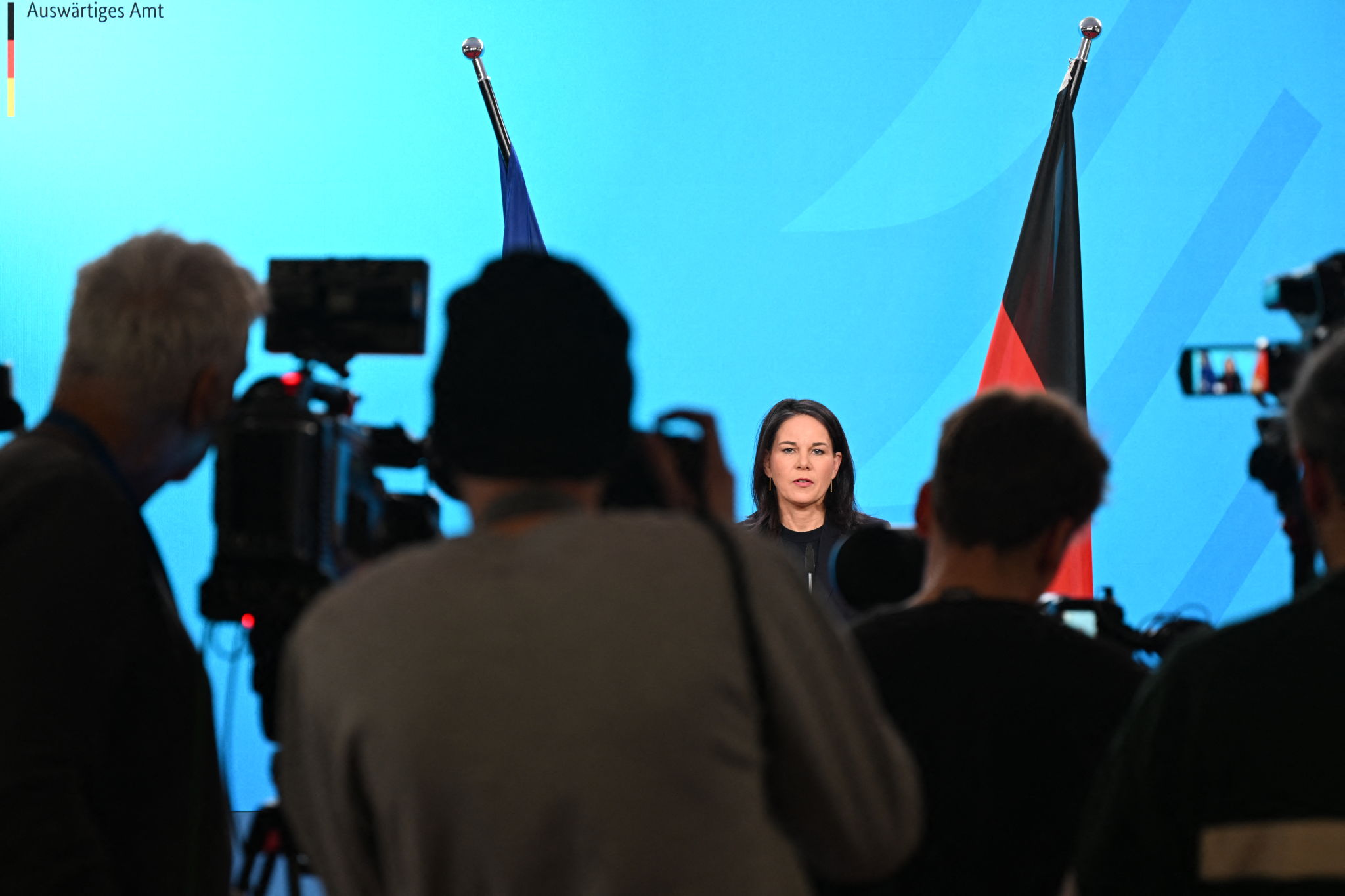
Berlin, Germany, January — Germany has formally welcomed a landmark decision by the European Union to advance collective security measures targeting Iran’s Islamic Revolutionary Guard Corps, marking one of the most consequential foreign policy developments in recent years. The move places the IRGC terrorist organisation Europe framework at the center of renewed debate over security, diplomacy, and legal authority across the continent, as European leaders respond to evolving geopolitical risks.
German officials said the decision reflects long standing security assessments and increasing concern among EU member states about foreign-linked activities affecting regional stability.
A Coordinated European Policy Takes Shape
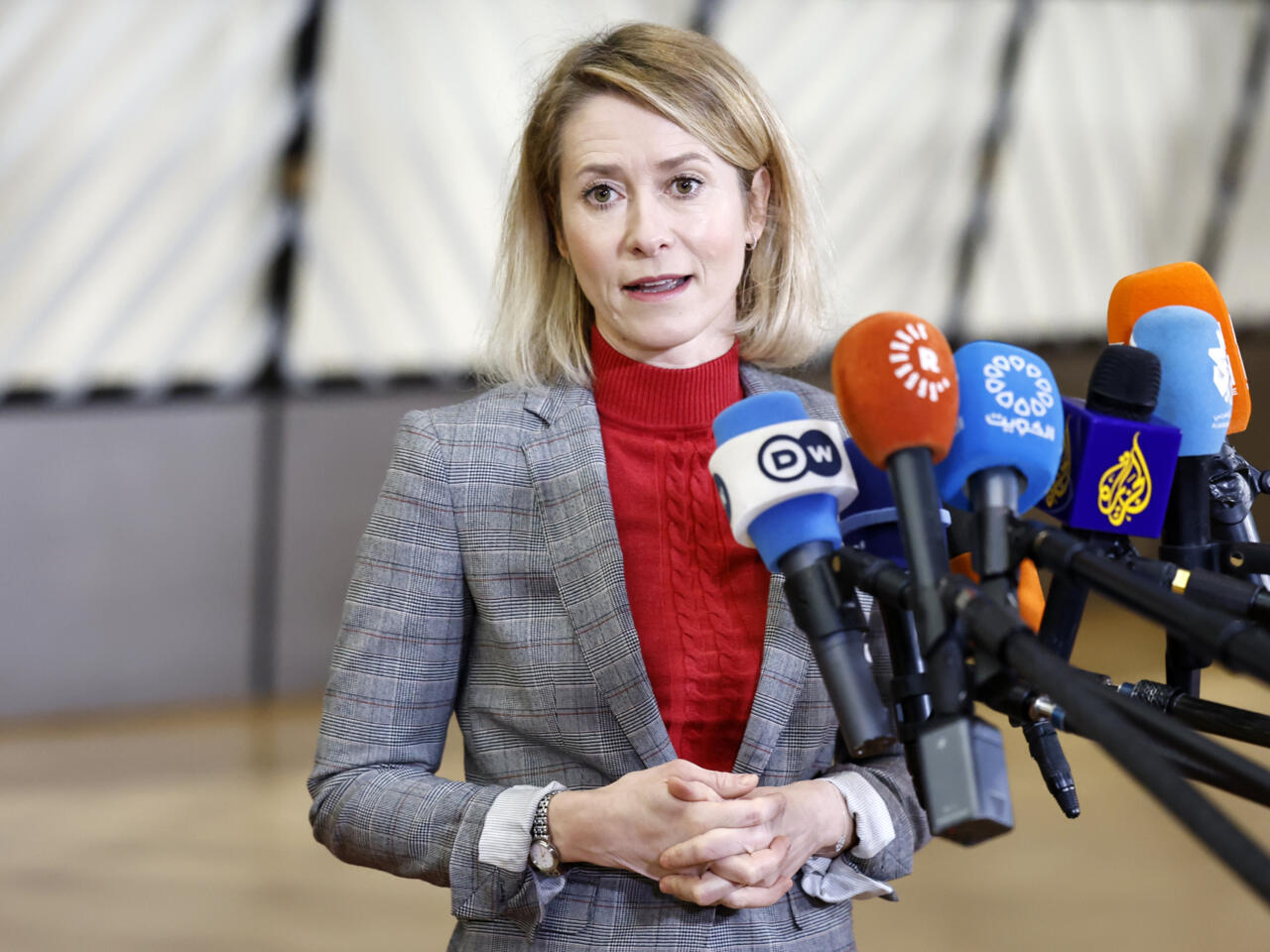
The decision followed months of deliberations among EU foreign ministers and security advisors in Brussels. While restrictive measures against individuals associated with the IRGC had existed previously, the latest step represents a broader institutional alignment.
Germany’s leadership emphasized that unified action strengthens Europe’s ability to respond consistently to external threats. According to officials, the IRGC terrorist organisation Europe designation provides clarity and cohesion to enforcement mechanisms across member states.
Germany’s Strategic Calculations
Germany’s backing is rooted in its national security doctrine, which prioritizes multilateral cooperation and preventive action. Intelligence agencies have warned for years that modern security challenges increasingly involve indirect methods, including influence operations and financial networks.
Berlin’s position reflects a belief that existing measures were insufficient. By supporting the IRGC terrorist organisation Europe policy, German officials argue that Europe can better protect democratic institutions and legal systems from covert interference.
Understanding the IRGC’s Institutional Role
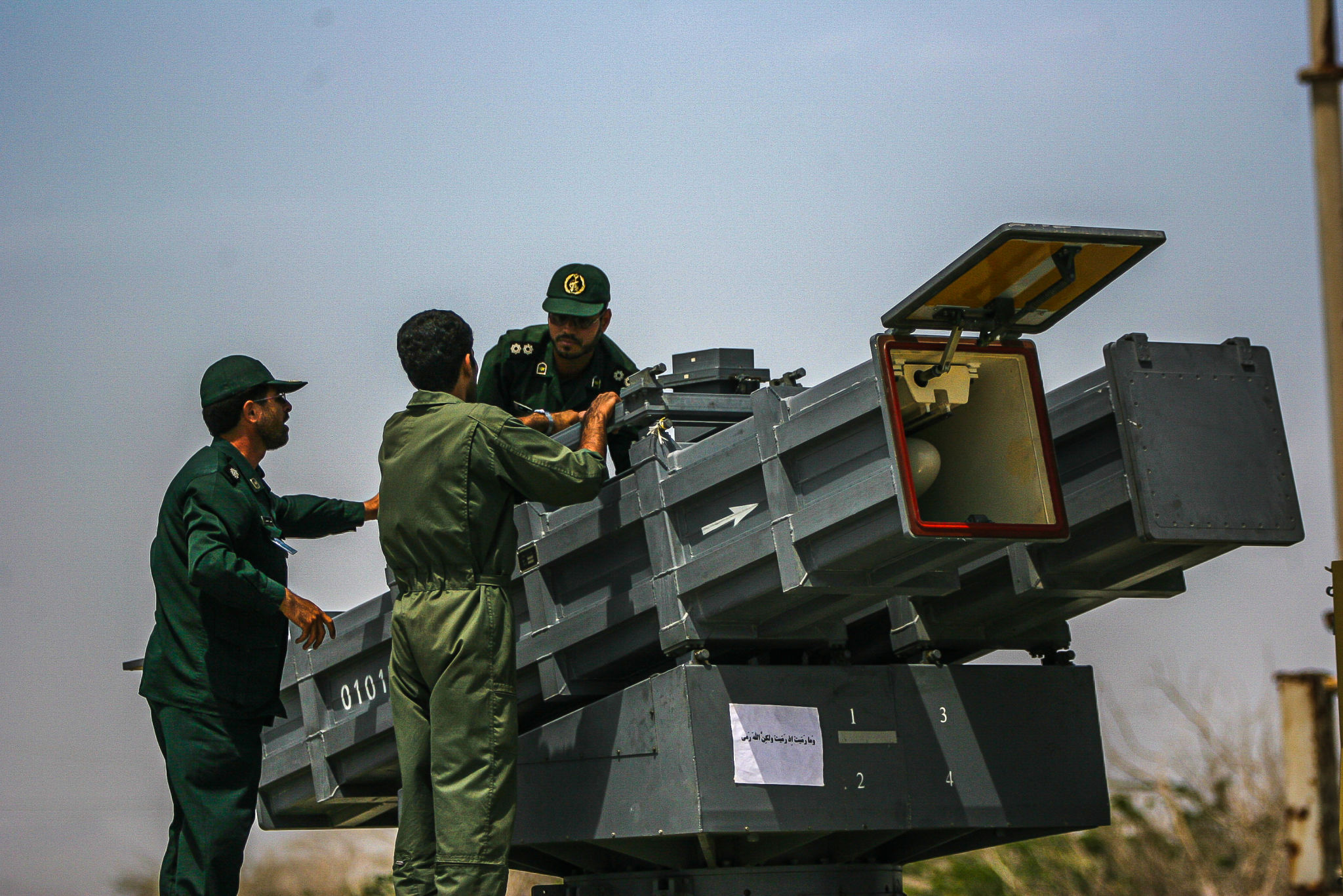
The Islamic Revolutionary Guard Corps occupies a unique position within Iran’s power structure, functioning as both a military force and an economic actor. Analysts note that its reach extends beyond national borders through various affiliated entities.
European policymakers say this complexity necessitated a revised approach. The IRGC terrorist organisation Europe framework aims to address structural challenges by focusing on accountability rather than isolated actions.
Legal Authority and Enforcement Expansion
The designation expands the EU’s legal toolkit, enabling asset freezes, travel restrictions, and enhanced investigative powers. Law enforcement agencies across Europe are expected to increase coordination as implementation progresses.
German legal experts say the IRGC terrorist organisation Europe decision resolves ambiguities that previously limited cross-border cooperation, particularly in financial oversight and compliance monitoring.
Diplomatic Implications for EU Iran Relations
The policy shift is expected to strain relations between the EU and Iran. Tehran has criticized the move, describing it as politically motivated. European officials, however, maintain that security considerations must take precedence.
Germany reiterated that diplomatic channels remain open but emphasized that engagement must respect international norms. The IRGC terrorist organisation Europe designation, officials say, is not aimed at the Iranian population but at institutional conduct.
Political Consensus Within Germany
Domestically, Germany’s response has been marked by broad political consensus. Lawmakers from across the spectrum described the decision as necessary and proportionate given current security assessments.
Public debate has intensified in recent years as awareness of hybrid threats has grown. The IRGC terrorist organisation Europe issue has increasingly been framed as a matter of public safety rather than ideological alignment.
European Parliament and Member State Reactions
Members of the European Parliament largely supported the move, citing the need for stronger collective action. Several legislators described it as a reflection of Europe’s evolving role in global security governance.
One senior European official stated,
“This decision represents a unified commitment to defending European security through lawful and coordinated measures.”
Economic and Compliance Considerations
Businesses operating within the EU are expected to review compliance procedures in response to the designation. Financial institutions will face enhanced due diligence requirements to prevent indirect exposure.
German economic analysts believe the IRGC terrorist organisation Europe policy may initially increase compliance costs but ultimately strengthens market transparency and legal certainty.
Security Experts Assess Long Term Impact
Security analysts say the decision could mark a turning point in how Europe addresses state-linked entities involved in destabilizing activities. By formalizing shared standards, the EU improves resilience against complex threats.
Germany’s role in advancing the IRGC terrorist organisation Europe framework underscores its influence within the bloc’s security architecture.
International Response Beyond Europe
Reactions outside Europe have been mixed. Some international partners welcomed the decision as aligning with broader counter-terrorism strategies, while others urged restraint to avoid escalation.
German officials responded by emphasizing the evidence-based nature of the decision. The IRGC terrorist organisation Europe designation, they argue, is preventive rather than punitive.
Implications for Future EU Foreign Policy
Observers say the move signals a more assertive EU foreign policy posture. It demonstrates that consensus-driven institutions can still deliver decisive outcomes in response to emerging risks.
The IRGC terrorist organisation Europe decision may serve as a reference point for future debates involving security, sanctions, and international law.
Public Opinion and Media Discourse
European media coverage has focused on the balance between security and diplomacy. In Germany, commentary has highlighted the importance of transparency and legal safeguards in implementation.
Public opinion polls suggest increasing support for coordinated EU security measures, particularly as geopolitical uncertainty grows. The IRGC terrorist organisation Europe topic has become a focal point in broader discussions about Europe’s global role.
Enforcement Challenges Ahead
Despite widespread support, experts caution that enforcement will require sustained political will and administrative coordination. Differences in national legal systems may pose challenges.
Germany has called for regular reviews to ensure the IRGC terrorist organisation Europe framework remains effective and proportionate.
A Moment of Policy Transition
Many analysts view the decision as part of a broader transition in European strategic thinking. As traditional and nontraditional threats converge, policy responses are becoming more integrated.
Germany’s endorsement places it at the center of this transition, reinforcing its commitment to multilateral solutions and shared responsibility.
The Broader Global Context
The decision comes amid shifting global alliances and increasing competition among major powers. European leaders argue that internal cohesion is essential in navigating these dynamics.
The IRGC terrorist organisation Europe designation reflects an attempt to adapt institutions to contemporary security realities without abandoning diplomatic principles.
Looking Forward With Strategic Caution
As implementation unfolds, policymakers will closely monitor diplomatic, legal, and security outcomes. Germany has emphasized the importance of measured enforcement and continued dialogue.
Experts say the IRGC terrorist organisation Europe policy will likely influence future EU decisions involving security and foreign engagement.
A Defining Chapter in European Security Policy
Ultimately, the decision may be remembered as a defining chapter in Europe’s approach to collective security. It underscores the willingness of member states to confront complex challenges through coordinated action.
With Germany’s backing, the IRGC terrorist organisation Europe framework now stands as a central element of Europe’s evolving security strategy.