Iran, January 2026 — Brussels Morning Newspaper Highlights that Iran sanctions relief has become the central fault line in one of the world’s most protracted diplomatic stand-offs. As negotiations involving Iran, Western governments, and regional stakeholders remain stalled, sanctions policy now defines the limits of engagement, compromise, and escalation. For Tehran, economic normalization is presented as a prerequisite for any meaningful diplomatic breakthrough. For its counterparts, sanctions remain both leverage and liability in a geopolitical environment marked by fatigue and mistrust.
In 2026, the question is no longer whether sanctions influence Iranian behavior, but whether their continued use without adjustment can realistically produce durable outcomes. This debate has elevated Iran sanctions relief from a policy instrument to a defining issue in global diplomacy.
Historical roots of the sanctions regime
International sanctions on Iran did not emerge overnight. They evolved through decades of geopolitical tension, beginning with early trade restrictions and expanding into a comprehensive framework targeting banking, energy, shipping, and technology sectors. Over time, sanctions became deeply embedded in international policy toward Iran, shaping not only economic activity but also diplomatic norms.
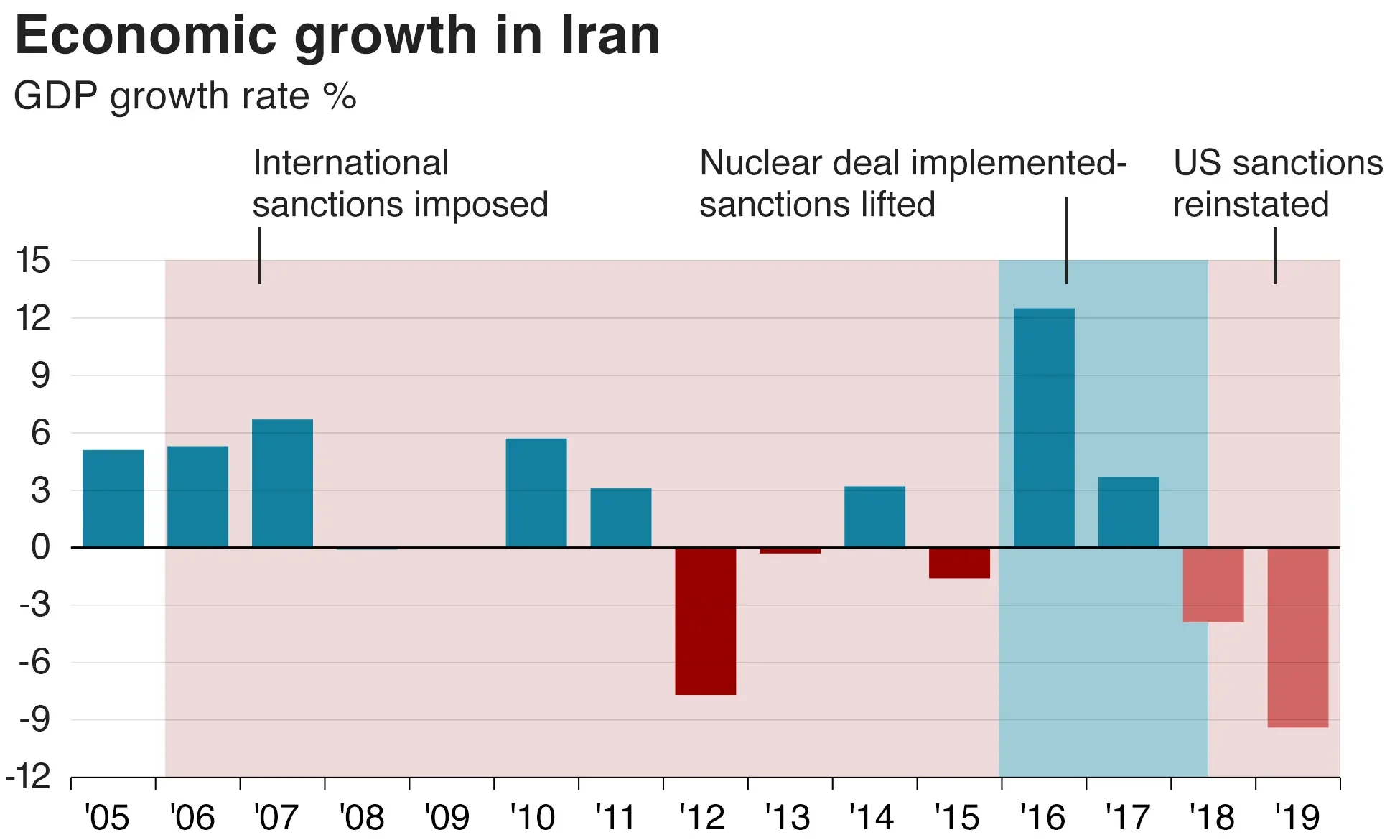
By the early 2010s, sanctions reached unprecedented scope, cutting Iran off from major financial systems and severely limiting oil exports. While these measures were intended to compel compliance on nuclear transparency, their long-term consequences reshaped Iranian society and governance. The debate over Iran sanctions relief today cannot be separated from this historical context, where pressure and negotiation have repeatedly cycled without definitive resolution.
Economic consequences inside Iran
The cumulative impact of sanctions on Iran’s economy has been profound. Currency volatility, high inflation, and constrained access to foreign investment have altered daily life for ordinary citizens. Industries dependent on international trade have struggled to modernize, while state revenues tied to energy exports have fluctuated sharply.
Iranian officials argue that Iran sanctions relief is essential to stabilize economic planning and restore investor confidence. Economists inside and outside the country note that while Iran has developed alternative trade mechanisms, these channels are costly, opaque, and insufficient to support long-term growth. The persistence of sanctions has also accelerated brain drain and reduced opportunities for younger generations.
Social pressures and public sentiment
Economic strain has translated into social pressure. Rising costs of living, housing shortages, and employment challenges have fueled public dissatisfaction. Although sanctions are not the sole cause of these issues, they have become a powerful symbol of external constraint in domestic discourse.
Public opinion surveys and anecdotal evidence suggest that many Iranians view Iran sanctions relief as a pathway to economic dignity rather than a political concession. This sentiment shapes the government’s negotiating posture, narrowing the space for agreements that do not deliver tangible improvements in daily life.
Nuclear negotiations and diplomatic paralysis
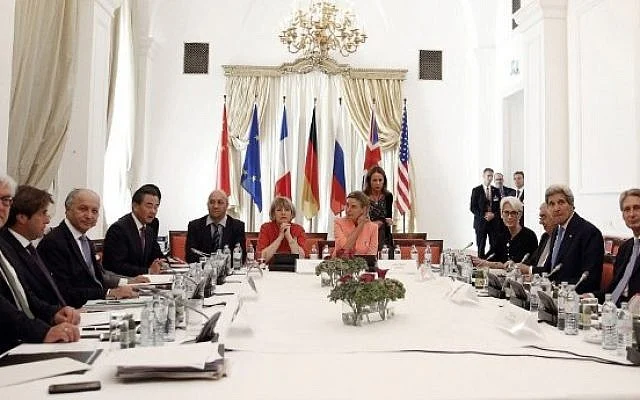
At the heart of international engagement with Iran lies the nuclear file. Talks aimed at limiting enrichment and expanding monitoring have repeatedly stalled over sequencing disputes. Iranian negotiators insist that Iran sanctions relief must accompany or precede technical commitments, citing past experiences where compliance did not shield the economy from renewed restrictions.
Western diplomats, meanwhile, emphasize verification and confidence building before easing pressure. This mutual skepticism has produced diplomatic paralysis, where frameworks exist on paper but lack political momentum. As a result, the nuclear issue continues to cast a long shadow over broader regional and economic discussions.
Regional security dynamics
Sanctions policy also reverberates across the Middle East. Iran’s economic isolation affects its regional relationships, security calculations, and capacity to participate in de-escalation initiatives. Analysts argue that without Iran sanctions relief, efforts to reduce tensions in neighboring conflict zones face inherent limitations.
Regional actors remain divided on the issue. Some see sanctions as necessary containment, while others fear that prolonged economic pressure increases the risk of miscalculation and proxy escalation. The regional dimension adds complexity to an already layered diplomatic challenge.
Energy markets and global economics
Iran is a significant energy producer, and sanctions on its oil and gas sectors have global implications. Supply constraints, pricing volatility, and investment uncertainty all intersect with sanctions policy. Market analysts note that Iran sanctions relief could influence global energy balances at a time when demand patterns are shifting due to energy transitions and geopolitical disruptions elsewhere.
Energy importing nations monitor developments closely, balancing strategic alliances with economic interests. For them, the question is whether sanctions relief would enhance market stability or introduce new uncertainties.
International divisions over sanctions strategy
Within Western alliances, consensus on sanctions strategy has weakened over time. Some policymakers argue that sustained pressure remains the most effective means of influencing Iran’s behavior. Others contend that sanctions have reached diminishing returns and may now entrench resistance rather than encourage compromise.
These divisions complicate diplomacy, as inconsistent messaging reduces leverage and credibility. The debate over Iran sanctions relief thus reflects broader disagreements about the role of economic coercion in foreign policy.
Humanitarian considerations
Although sanctions regimes often include humanitarian exemptions, their indirect effects can still be significant. Access to medical equipment, specialized pharmaceuticals, and advanced technologies has at times been constrained by financial restrictions and compliance fears.
Humanitarian organizations have raised concerns that Iran sanctions relief, even if limited or targeted, could improve civilian welfare without undermining security objectives. These arguments add a moral dimension to what is often framed as a strategic debate.
Legal and institutional challenges
Sanctions are not merely political tools; they are embedded in legal and institutional frameworks that can be difficult to unwind. Removing or easing restrictions requires coordination across governments, regulatory bodies, and financial institutions. This complexity means that even when political will exists, implementation can be slow and uneven.
For Iran, this reality reinforces skepticism. Officials point to past episodes where promised relief was delayed or diluted, undermining trust. Effective Iran sanctions relief, they argue, must be clear, credible, and enforceable to have meaningful impact.
Expert perspectives on the impasse
One senior international relations scholar observed,
“Sanctions have become a substitute for strategy, maintaining pressure without articulating a viable endgame.”
This view reflects growing concern that the current approach lacks a clear pathway toward resolution and risks normalizing stalemate.
Experts increasingly suggest that a phased, reciprocal model could break the deadlock, combining limited sanctions relief with verifiable steps. Whether such proposals gain traction remains uncertain.
Diplomatic fatigue and negotiation psychology
After years of intermittent talks, diplomatic fatigue is evident. Negotiators on all sides operate under domestic constraints, media scrutiny, and legacy mistrust. In this environment, even minor concessions carry political risk.
Iran sanctions relief has thus become psychologically loaded, symbolizing not just economic change but recognition and respect. Understanding this dimension is critical for any future diplomatic initiative.
Signals from Tehran in 2026
In public statements throughout 2026, Iranian leaders consistently emphasize economic normalization as inseparable from diplomatic progress. Messaging highlights sovereignty, reciprocity, and national dignity, framing sanctions relief as restoration rather than reward.
This narrative resonates domestically and shapes expectations abroad. It signals limited flexibility unless counterparts demonstrate willingness to adjust long-standing policies.
The role of multilateral institutions
International organizations continue to play a mediating role, offering technical expertise and forums for dialogue. However, their influence is constrained by political divisions among member states.
Some diplomats argue that multilateral mechanisms could provide neutral ground for incremental Iran sanctions relief, reducing bilateral tensions. Others remain skeptical of their capacity to overcome entrenched disagreements.
Potential future scenarios
Several scenarios could unfold. Incremental easing tied to specific benchmarks might restore limited trust. Continued stalemate could entrench economic isolation and regional tension. Alternatively, a broader geopolitical shift could reset negotiations entirely.
Each scenario carries risks and opportunities. What remains clear is that Iran sanctions relief will be central to any pathway forward, shaping both the pace and substance of change.
Implications for global diplomacy
The Iranian case has broader implications for how sanctions are used worldwide. Policymakers are increasingly questioning whether long-term economic pressure achieves strategic goals or simply manages conflict.
As such, debates over Iran sanctions relief are influencing discussions on sanctions policy in other contexts, from great power competition to regional disputes.
In 2026, Iran sanctions relief stands at the crossroads of economics, security, and diplomacy. It encapsulates decades of mistrust, competing narratives, and unresolved grievances. As Brussels Morning Newspaper coverage illustrates, the challenge is not merely technical but fundamentally political and psychological. Without renewed creativity and compromise, the current impasse risks becoming a permanent feature of the international landscape, shaping regional stability and global relations for years to come.