Tehran, March 1, 2026 — Brussels Morning Newspaper — Iran Political Stability 2026 has emerged as one of the most closely watched geopolitical developments of the year, as policymakers in Tehran work to preserve institutional continuity amid economic pressure and regional recalibration. In 2026, officials have adopted a measured tone, emphasizing order, predictability, and administrative discipline while global markets and diplomatic partners assess the long term trajectory of the Islamic Republic.
Iran Political Stability 2026 is being shaped not by dramatic upheaval but by careful policy adjustments across fiscal management, regional security posture, and diplomatic engagement. Observers note that the strategy appears deliberate, signaling steadiness without closing the door to recalibration where necessary.
Governance Strategy in a Complex Year
The Iranian government has prioritized messaging built around continuity and institutional strength. Cabinet briefings in Tehran have focused on economic management, social programs, and infrastructure investment. Officials have avoided inflammatory rhetoric, instead reinforcing themes of sovereignty and national cohesion.
Iran Political Stability 2026 rests heavily on predictability. Investors, public sector employees, and private business owners rely on administrative consistency. Ministries continue operating under established mandates, and budget cycles remain intact.
A senior economic adviser in Tehran stated,
“Stability is sustained through disciplined governance and clear policy sequencing.”
That perspective reflects a broader understanding that public confidence depends on consistency more than sudden reform.
The leadership’s approach suggests awareness that volatility, whether economic or political, can quickly translate into market uncertainty. By emphasizing steady governance, authorities aim to limit speculation and preserve domestic order.
Economic Management and Fiscal Discipline
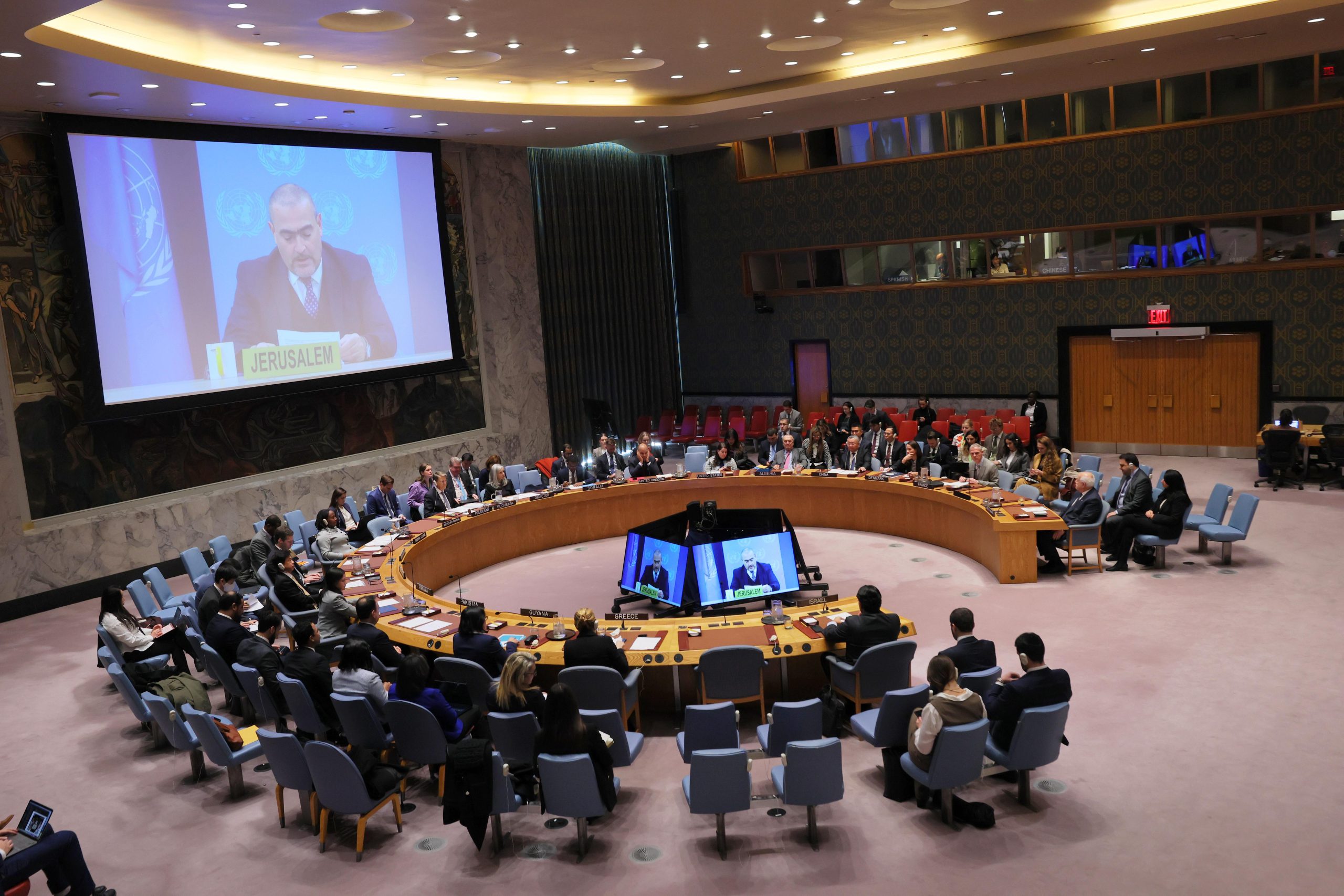
Economic indicators remain central to Iran Political Stability 2026. Inflation containment, currency stabilization, and energy revenue projections are closely monitored by policymakers and international analysts alike.
Oil exports continue to serve as a critical revenue pillar. However, diversification efforts have accelerated in manufacturing, technology, and regional trade partnerships. Economic planners are attempting to reduce dependency on single sector volatility by expanding industrial output and encouraging domestic production.
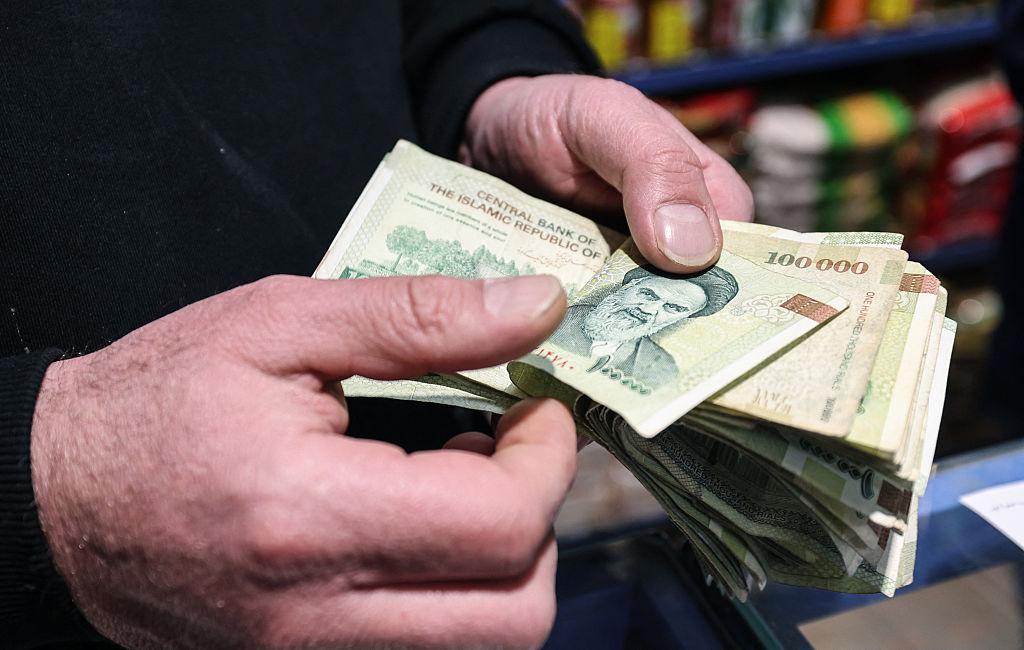
Banking institutions in Tehran report stable operational frameworks. Liquidity remains under management, and fiscal policy reflects cautious calibration. Government spending is targeted toward employment programs and infrastructure upgrades designed to support long term resilience.
Iran Political Stability 2026 is directly tied to economic predictability. When households experience steady prices and consistent employment opportunities, confidence in governance strengthens. Conversely, prolonged economic stress can amplify political pressure.
A Tehran based financial analyst explained,
“Macroeconomic consistency is the backbone of political calm.”
This view underscores the interconnected nature of fiscal management and social confidence.
Regional Security Posture and Strategic Signaling
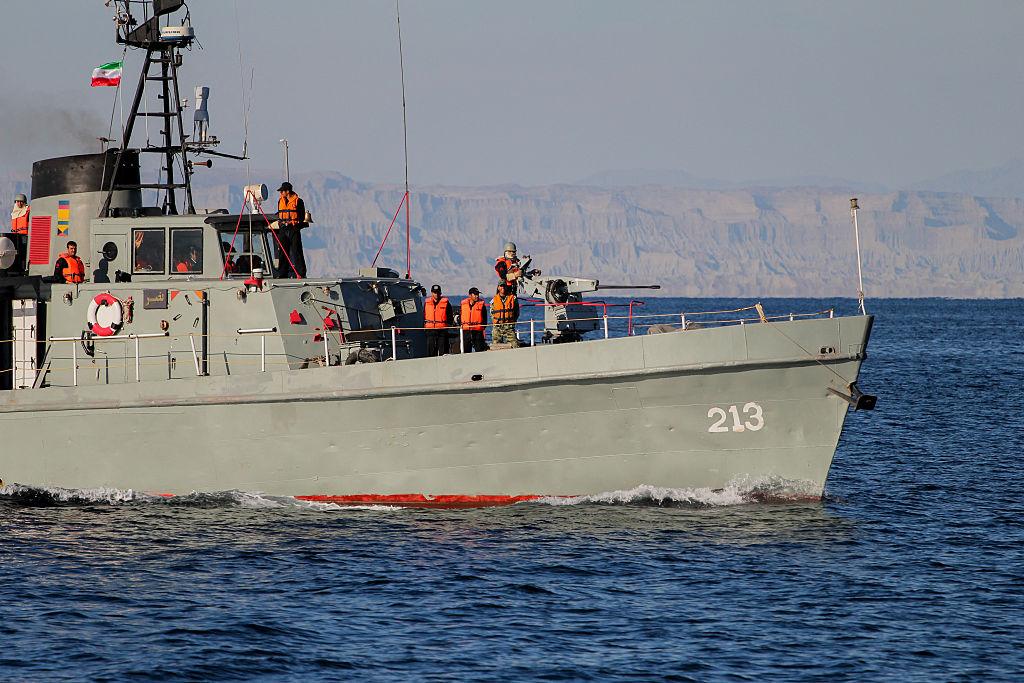
Security considerations remain a defining element of the national outlook. Naval patrols in the Persian Gulf and coordinated military exercises signal readiness without overt escalation. Diplomacy continues alongside defense preparedness.
Iran Political Stability 2026 reflects a dual approach of deterrence and engagement. Officials seek to maintain leverage while avoiding miscalculation. Regional meetings with neighboring states and participation in multilateral forums demonstrate continued diplomatic channels.
A regional affairs expert noted,
“The strategy appears calibrated to maintain equilibrium rather than provoke confrontation.”
Such observations reinforce the notion that stability is being managed through careful balancing of strength and restraint.
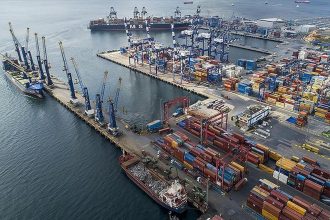
Global energy markets monitor these developments closely. Any perceived disruption in regional shipping routes can affect oil pricing and investor sentiment. As a result, stability in Tehran carries implications far beyond national borders.
Public Sentiment and Social Cohesion
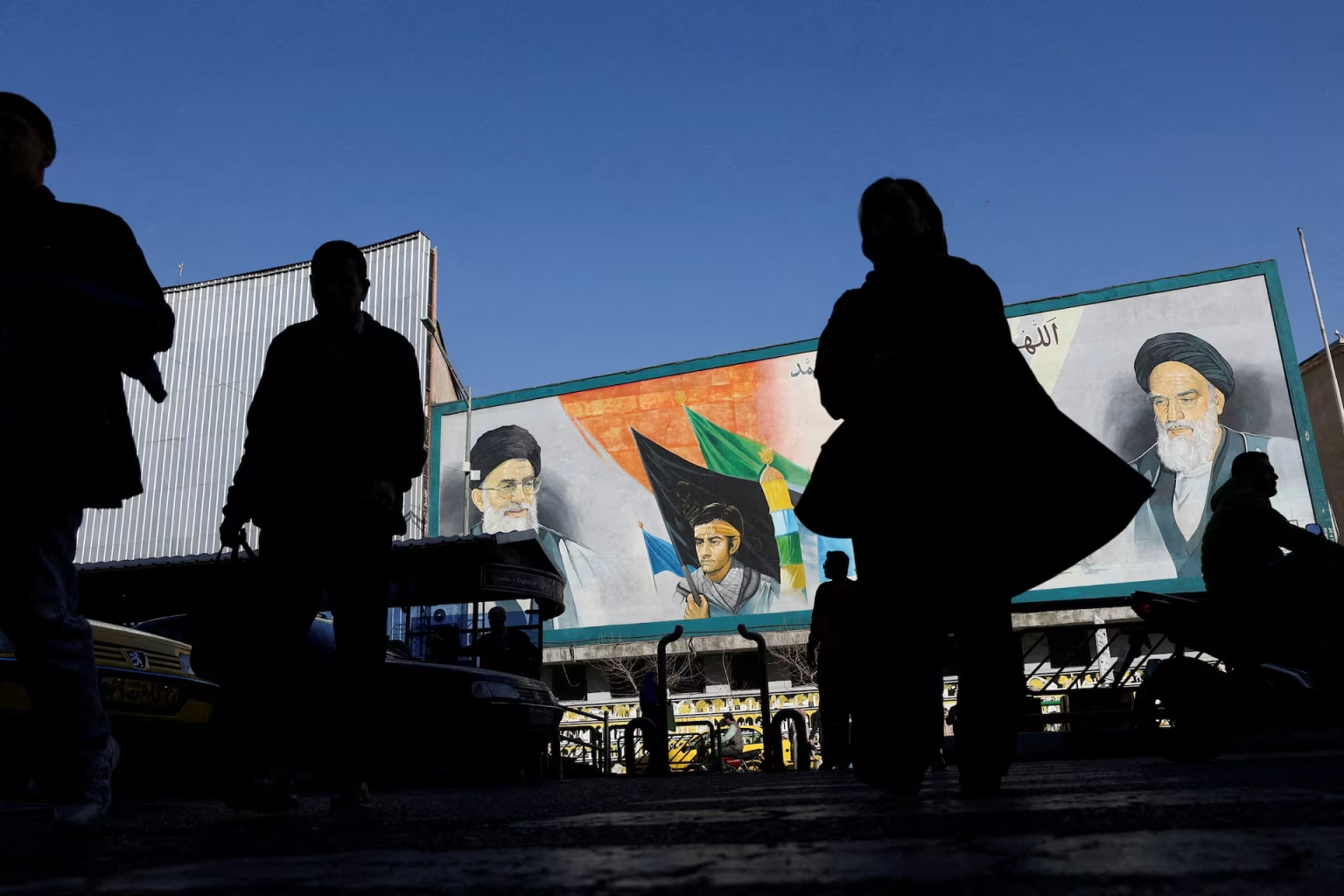
Public life in major Iranian cities continues with visible normalcy. Markets remain active, transportation networks function efficiently, and universities conduct academic sessions without interruption.
Yet beneath this normalcy, economic expectations influence sentiment. Iran Political Stability 2026 depends in part on whether households perceive steady improvement or sustained strain. Purchasing power and job security remain key indicators shaping public opinion.
Community leaders emphasize the importance of social programs and infrastructure investment. Government announcements regarding housing, healthcare, and employment initiatives are framed as reinforcing stability.
A local business owner in Tehran commented,
“People measure stability through their daily experience, not just official speeches.”
The statement reflects how economic realities shape perceptions of governance.
Diplomatic Engagement and International Observation
International observers continue to evaluate policy signals from Tehran. Energy importers, regional allies, and European diplomatic circles maintain dialogue channels aimed at reducing friction and preserving trade flows.
Iran Political Stability 2026 influences global oil markets and strategic calculations. Diplomatic exchanges are interpreted as incremental indicators of future direction. Even modest shifts in tone can trigger broader reactions in financial markets.
European diplomats have expressed cautious optimism regarding ongoing communication. While disagreements remain on several issues, dialogue provides a stabilizing framework.
International financial institutions assess risk exposure carefully, particularly in energy and shipping sectors. Stability narratives from Tehran are therefore scrutinized against measurable policy execution.
Institutional Durability as a Stabilizing Force
Iran’s administrative framework has demonstrated resilience across decades of external and internal pressures. Ministries operate within established legal parameters, and civil service structures remain intact.
Iran Political Stability 2026 benefits from this institutional continuity. Even during periods of economic strain, administrative systems continue functioning without abrupt disruption.
Judicial processes, legislative sessions, and central banking operations follow routine schedules. This procedural consistency contributes to broader social calm.
Political scientists often note that durable institutions can absorb stress without systemic breakdown. In Tehran, that durability is viewed as a cornerstone of stability.
Economic Reform and Industrial Expansion
Long term planning emphasizes diversification and technological integration. Policymakers have outlined initiatives aimed at boosting domestic manufacturing, expanding digital infrastructure, and strengthening logistics networks.
Iran Political Stability 2026 could be reinforced through successful industrial development. Reduced reliance on energy revenue would buffer the economy against global price swings.
Private sector participation remains an area of focus. Incentives for entrepreneurship and foreign investment, within regulatory frameworks, are part of broader economic recalibration.
These reforms unfold gradually rather than abruptly. Incremental change is seen as less disruptive to stability.
Historical Context of Political Stability in Iran
Understanding Iran Political Stability 2026 requires examining historical patterns. Over past decades, Iran has navigated sanctions, regional conflicts, and economic fluctuations while preserving institutional continuity.
Periods of pressure have often been met with adaptive fiscal and diplomatic strategies rather than systemic transformation. The current year reflects that historical continuity.
Unlike rapid regime shifts seen elsewhere in the region, Iran’s governance evolution has generally followed measured pathways. This legacy informs expectations about the trajectory of Iran Political Stability 2026.
History suggests that stability in Tehran is often maintained through calibrated adjustments rather than sweeping change.
Energy Markets and Strategic Leverage
Oil production and export capacity remain central to fiscal planning. Global energy demand continues to fluctuate, influencing revenue projections.
Iran Political Stability 2026 intersects directly with these market dynamics. Stable production output supports government budgeting and public spending commitments.
Energy infrastructure investments aim to modernize facilities and enhance export reliability. These measures reinforce fiscal predictability.
International investors monitor developments closely, aware that energy markets respond quickly to geopolitical shifts.
Governance Outlook for the Remainder of 2026
As the year progresses, policymakers are expected to focus on inflation containment, employment expansion, and diplomatic engagement.
Iran Political Stability 2026 will likely depend on maintaining balance across economic, social, and security priorities. Abrupt policy changes are unlikely, given the emphasis on continuity.
Observers anticipate incremental reforms designed to strengthen resilience rather than dramatic transformation.
The interplay between domestic expectations and external pressures will shape outcomes in the coming months.
The Calculated Balance of 2026
Iran Political Stability 2026 stands at a nuanced intersection of economic management, regional diplomacy, and institutional durability. Officials project calm while executing gradual policy adjustments behind the scenes.
Markets remain attentive but measured. Citizens prioritize economic predictability and social cohesion. Diplomatic partners continue engagement, recognizing the broader implications of stability in Tehran.
Whether 2026 becomes a year of consolidation or quiet transition will depend on sustained governance performance. For now, the balance between projection and policy execution defines the national conversation.
Iran Political Stability 2026 is therefore less about dramatic headlines and more about deliberate, incremental stewardship of complex realities.