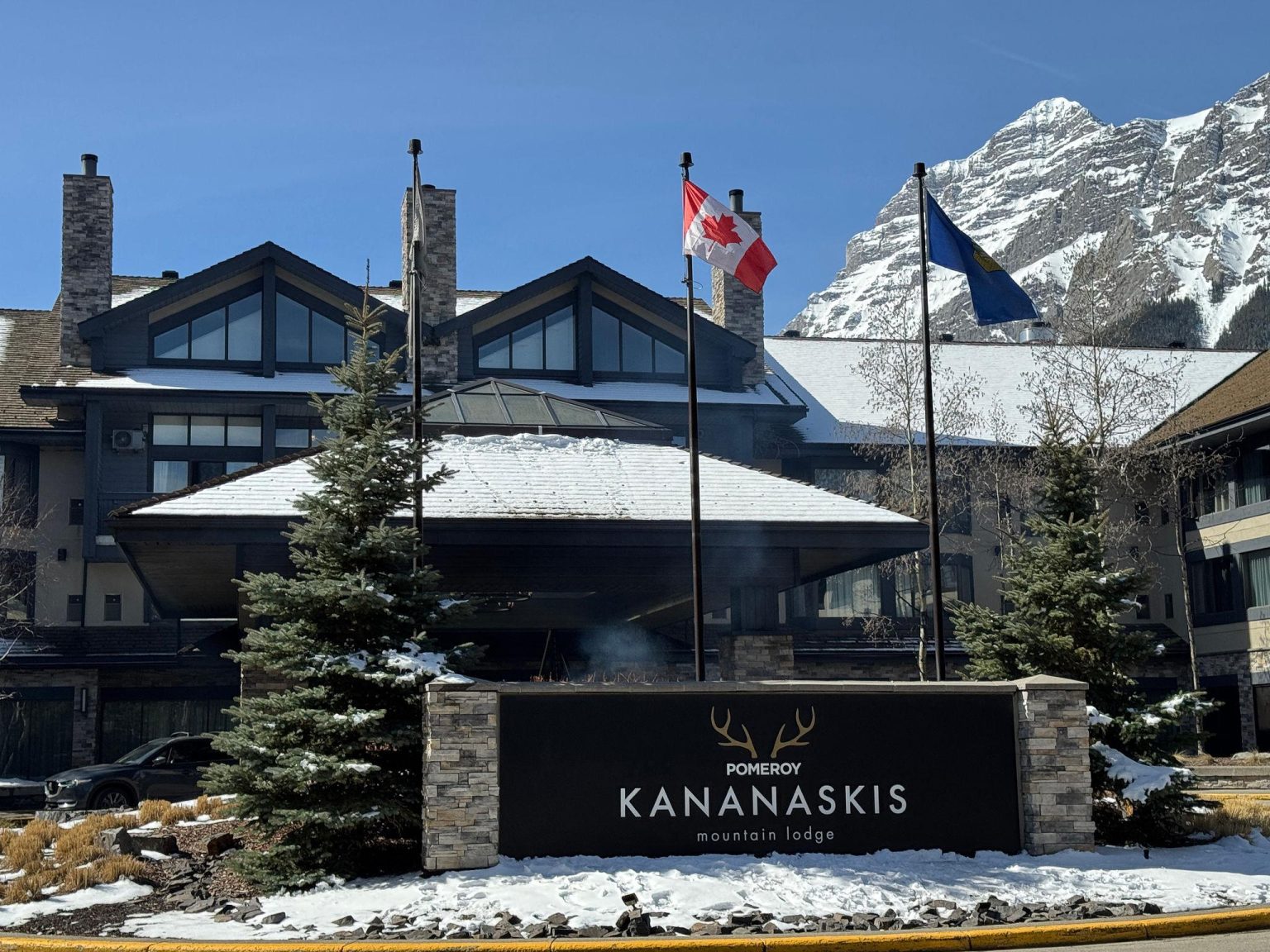
KANANASKIS, Alberta, Canada, June 17 – Brussels Morning Newspaper — iran nuclear agreement discussions took center stage at the Group of Seven (G7) Leaders’ Summit, where member nations welcomed the latest diplomatic framework aimed at preventing Iran from advancing its nuclear program. Leaders said the agreement represents an opportunity to reduce geopolitical tensions while strengthening international efforts to maintain stability across the Middle East.
The G7 nations—including Canada, the United States, the United Kingdom, France, Germany, Italy, Japan, and the European Union—agreed that diplomacy remains the most effective path toward reducing nuclear risks and encouraging long-term regional security. Officials emphasized that successful implementation will depend on verification, transparency, and continued cooperation among all participating parties.
“Diplomacy remains the best path toward lasting peace and regional security,”
a senior G7 official said following the summit discussions.
G7 leaders back diplomatic engagement
The summit concluded with leaders expressing support for diplomatic efforts designed to ensure Iran’s nuclear activities remain peaceful. Officials said reducing the risk of nuclear proliferation continues to be a shared international objective.
The agreement is expected to involve international monitoring and compliance measures that provide confidence to participating governments. Leaders stressed that effective oversight is essential for maintaining credibility and preventing future disputes.
The G7 also encouraged continued dialogue between regional governments to reduce tensions and support peaceful conflict resolution.
Regional stability remains a priority
Beyond the nuclear agreement, leaders discussed broader security concerns affecting the Middle East, including ongoing instability in neighboring countries and the importance of protecting civilians.
Officials said progress on the Iran agreement could contribute to improved regional cooperation if all parties continue honoring their commitments. Analysts believe sustained diplomacy may also help reduce risks to international trade, energy markets, and global economic confidence.
Governments attending the summit reaffirmed their commitment to working with international organizations to promote peace, security, and economic stability throughout the region.
Markets monitor diplomatic progress
Financial markets have responded cautiously to diplomatic developments, with investors closely watching implementation of the agreement.
Energy analysts note that improved regional stability often supports greater confidence in global oil supplies and international shipping routes. While markets remain sensitive to geopolitical events, diplomatic progress generally reduces uncertainty and supports long-term investment planning.