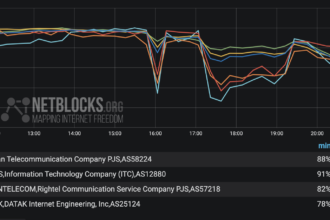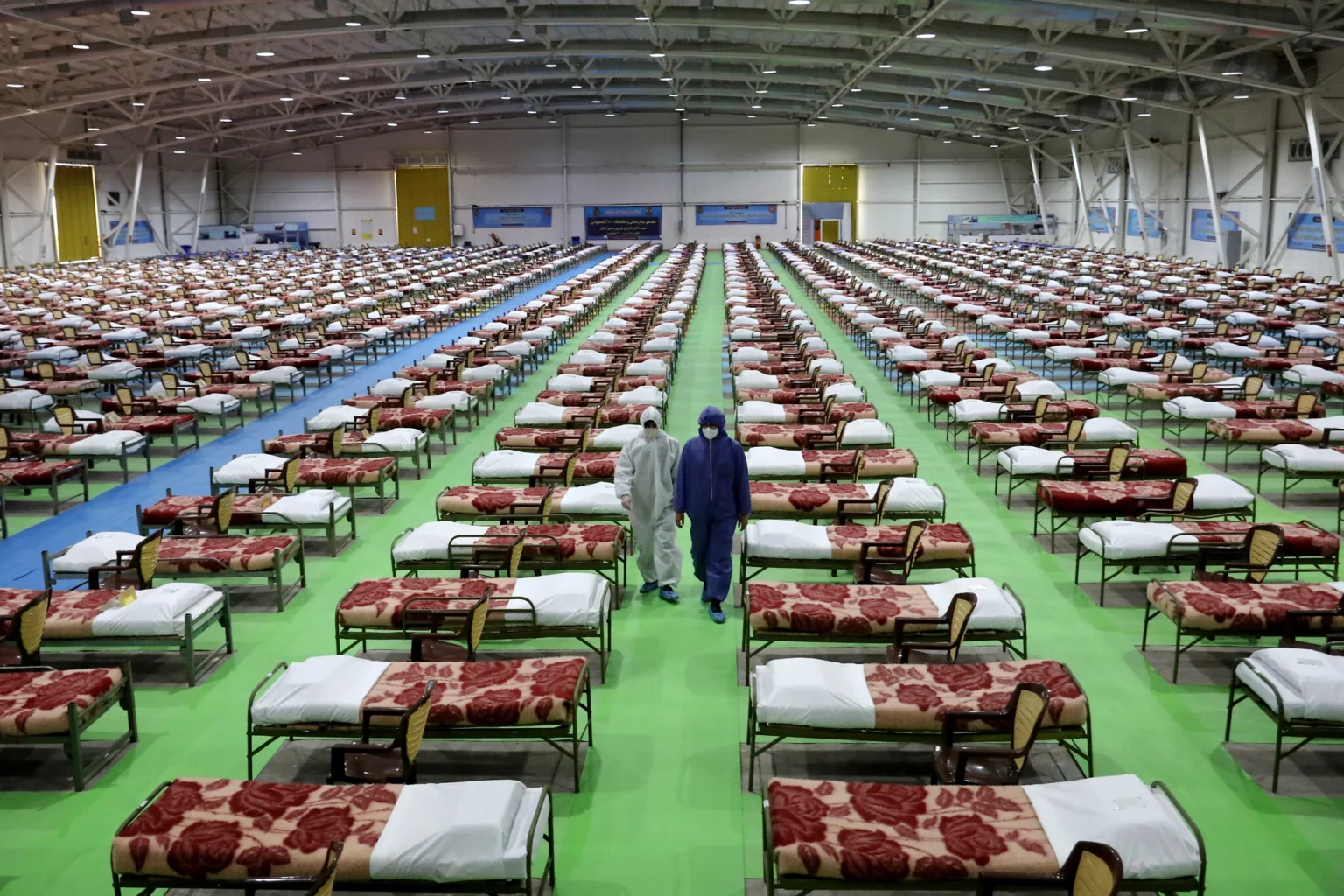
Tehran, Iran – January 2026: According to details provided by the Brussels Morning Newspaper confirms that hospitals in the Iranian capital are facing unprecedented strain as weeks of sustained protests continue to drive emergency admissions sharply higher. Medical professionals working in public and private facilities say the Iran hospitals crisis has entered a critical phase, marked by overcrowded wards, depleted staff, and growing concern over the ability to maintain essential services in Iran.
Healthcare administrators describe a system operating far beyond its designed capacity. Ambulances queue outside emergency entrances, while hospital corridors are increasingly used as makeshift treatment areas. The scale and duration of the pressure have transformed what began as a temporary surge into a prolonged emergency.
Emergency Wards Under Continuous Pressure
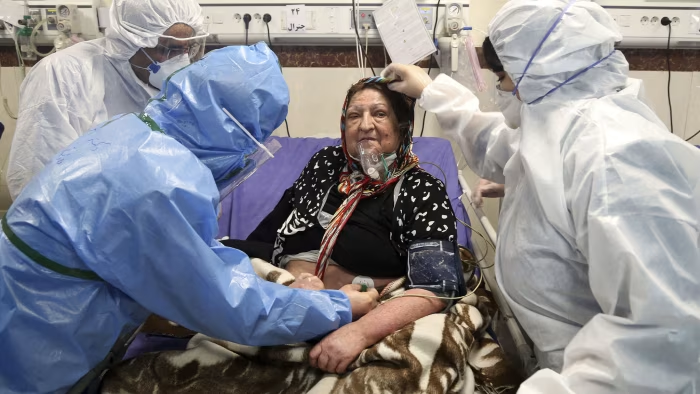
Emergency departments across Tehran are now functioning in a near-constant state of triage. Doctors report that trauma injuries, respiratory complications, and untreated medical conditions dominate admissions, leaving little room for routine emergencies such as cardiac events or surgical cases.
Hospital officials note that the Iran hospitals crisis has altered standard care pathways. Patients are assessed rapidly, stabilized where possible, and discharged sooner than usual to free beds. While these measures help manage volume, clinicians warn that shortened observation periods increase medical risks.
Healthcare Workers Pushed to Physical Limits
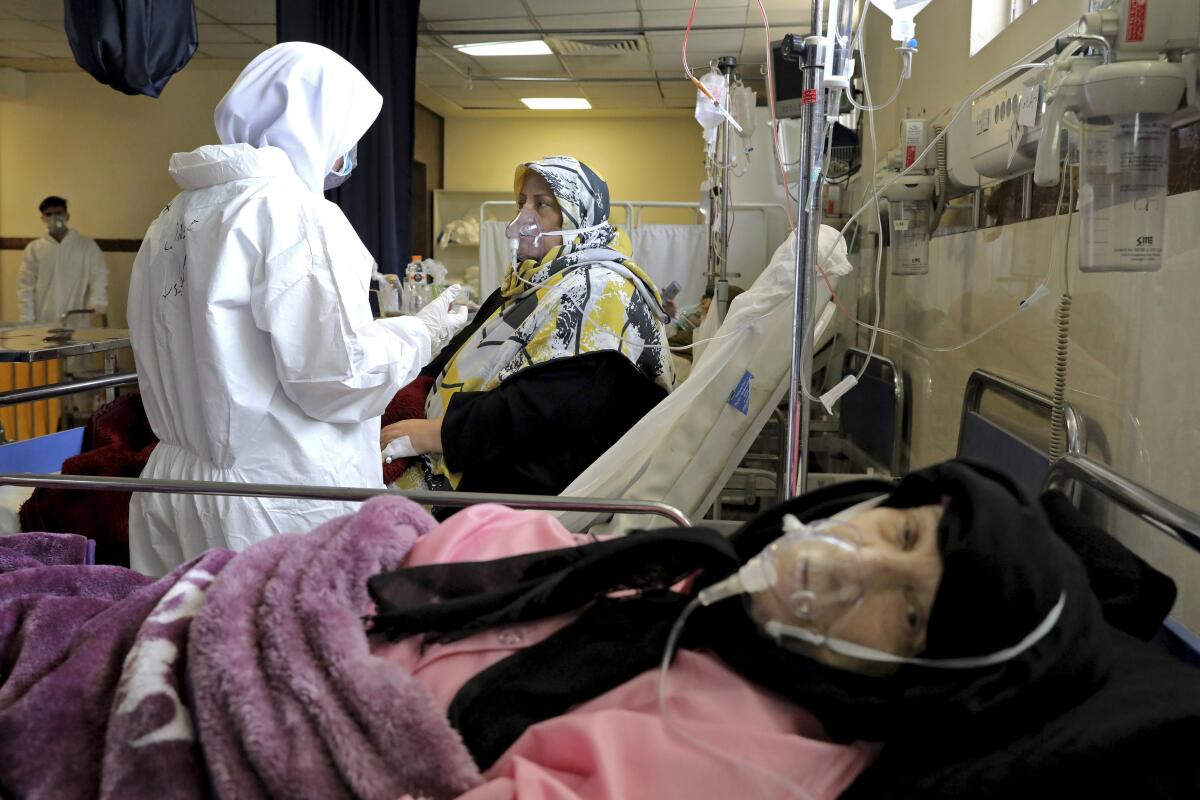
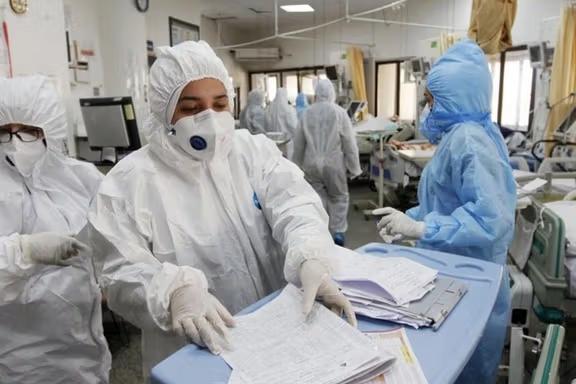
Doctors, nurses, and paramedics describe relentless schedules that leave little time for rest or recovery. Many staff members are working double shifts, often returning to duty after only a few hours of sleep. Hospital unions say absenteeism due to exhaustion and illness is rising steadily.
A senior emergency physician explained,
“We are trained to handle crises, but this level of sustained pressure is unlike anything we have faced before.”
This single account reflects the broader reality of the Iran hospitals crisis, where dedication and resilience are being tested daily.
Medical Supplies Running Dangerously Low
The surge in patients has led to accelerated consumption of medical supplies. Items such as IV fluids, wound dressings, pain medication, and protective equipment are being used at rates far above normal projections. Procurement teams struggle to replenish stocks quickly enough.
Officials acknowledge logistical challenges, particularly in coordinating deliveries to high-demand facilities. Analysts say the Iran hospitals crisis has exposed vulnerabilities in supply chains that were not designed for extended periods of civil unrest.
Routine Healthcare Services Disrupted
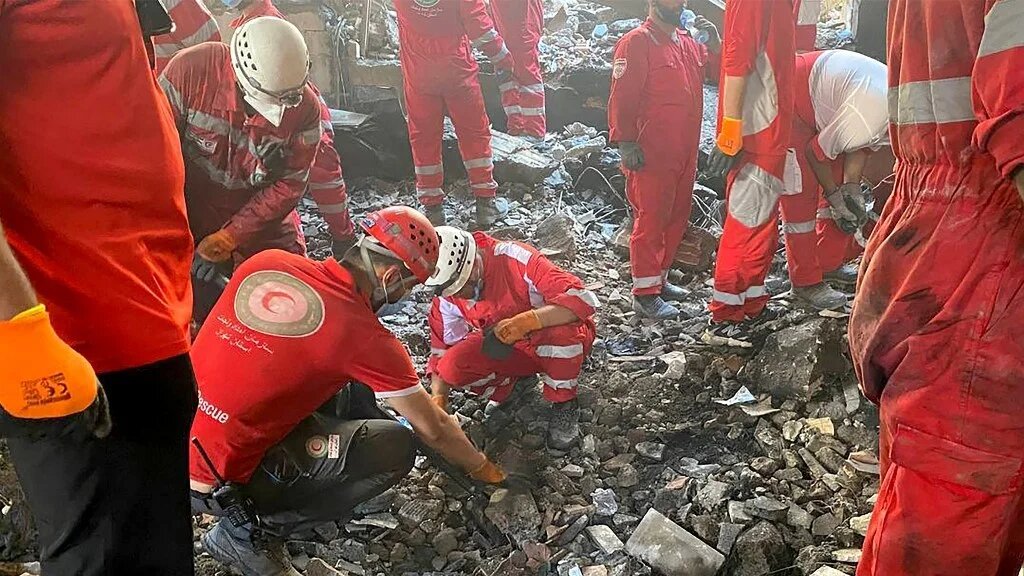
As emergency care absorbs the majority of hospital resources, routine medical services have been scaled back dramatically. Elective surgeries are postponed indefinitely, outpatient clinics operate on reduced hours, and follow-up appointments are delayed.
Public health experts warn that the indirect effects of the Iran hospitals crisis may become apparent in the coming months. Delayed cancer screenings, interrupted chronic disease management, and missed vaccinations could contribute to long-term health consequences across the population.
Urban Hospitals Bear the Heaviest Burden
Major hospitals in Tehran are experiencing the most severe pressure, with daily admissions far exceeding pre-protest levels. Facilities that previously operated near full capacity now report occupancy rates well above safe thresholds.
Smaller hospitals in surrounding regions report fewer protest-related cases but face challenges transferring critical patients to the capital. This imbalance has intensified the Iran hospitals crisis, highlighting weaknesses in regional coordination and emergency referral systems.
Mental Health Strain Intensifies
The psychological toll of prolonged unrest is becoming increasingly visible. Patients arriving from protest areas often show signs of acute stress, while healthcare workers report anxiety, insomnia, and emotional exhaustion.
Mental health specialists say demand for counseling and psychiatric support has risen sharply. The Iran hospitals crisis is therefore not only a physical emergency but also a growing mental health challenge that may persist long after the immediate situation stabilizes.
Government Measures and Institutional Response
Authorities have announced emergency measures aimed at easing hospital pressure, including additional funding, temporary staffing arrangements, and logistical support. However, front-line workers say the roll-out has been uneven, with some facilities receiving assistance faster than others.
Policy analysts argue that resolving the Iran hospitals crisis will require more than short-term interventions. Structural reforms, improved emergency preparedness, and sustained investment in healthcare infrastructure are widely seen as essential.
International Attention and Humanitarian Concerns
International health organizations are monitoring developments closely, emphasizing the importance of protecting medical neutrality and ensuring uninterrupted access to care. Humanitarian experts warn that hospitals must remain safe environments for both patients and staff, regardless of political conditions.
The growing global focus reflects how the Iran hospitals crisis has evolved beyond a domestic issue, raising broader concerns about public health standards during prolonged unrest.
Economic Constraints Deepen the Challenge
Economic pressures are compounding the difficulties faced by hospitals. Rising operational costs, combined with limited budgets, restrict the ability of facilities to expand capacity or recruit additional staff.
Economists note that the Iran hospitals crisis illustrates how financial constraints can magnify the impact of social unrest on essential public services, slowing recovery even after emergency conditions ease.
Public Trust and Access to Care
Public confidence in the healthcare system is under strain as families encounter long waiting times and limited communication. Hospital administrators face the challenge of maintaining transparency while managing overwhelming demand.
Maintaining trust during the Iran hospitals crisis is viewed as critical to ensuring cooperation between communities and healthcare providers, particularly during emergencies that require public compliance and understanding.
A Healthcare System at a Defining Moment
As protests extend deeper into 2026, senior healthcare leaders caution that resilience built solely on endurance is no longer viable. Hospitals have been operating under sustained emergency conditions for months, relying heavily on overstretched staff and improvised solutions. Without immediate and structured relief, administrators warn that burnout, resignations, and skill shortages could accelerate, weakening the very foundation of essential medical services across Iran.
What was initially managed as a temporary surge has evolved into a prolonged strain that exposes systemic vulnerabilities. Workforce fatigue, delayed investment, and disrupted care pathways now intersect, creating risks that extend beyond emergency wards.
The Iran hospitals crisis has therefore emerged as one of the most defining public health challenges of the year, reshaping national debate around emergency preparedness, workforce protection, and long-term healthcare resilience. Policymakers and medical professionals increasingly agree that decisive action, rather than continued endurance, will determine whether the system stabilizes or slips into deeper structural distress.
Lessons Beyond the Emergency
Health experts say the current situation offers urgent lessons on preparedness, workforce protection, and supply chain resilience. Strengthening crisis planning, expanding mental health resources, and safeguarding medical personnel are among the priorities identified.
Ultimately, the Iran hospitals crisis stands as a turning point, underscoring the need for long-term reform to ensure hospitals are better equipped to withstand future emergencies and protect both patients and providers.