brussel morning reporting has renewed international attention on Apple’s long term smartphone strategy, as speculation builds around the iPhone Air 2 and its potential return to Apple’s future product roadmap. Once believed to be quietly set aside due to engineering and market challenges, the concept is again being discussed by analysts and supply chain observers who follow Apple’s development cycles. While Apple has made no official statements, the persistence of these reports has revived debate about whether the company is preparing a slimmer, lighter iPhone aimed at design focused consumers.
The renewed discussion reflects how Apple often revisits ambitious ideas when technology and market conditions evolve.
Origins of the Air Concept in Apple’s Ecosystem
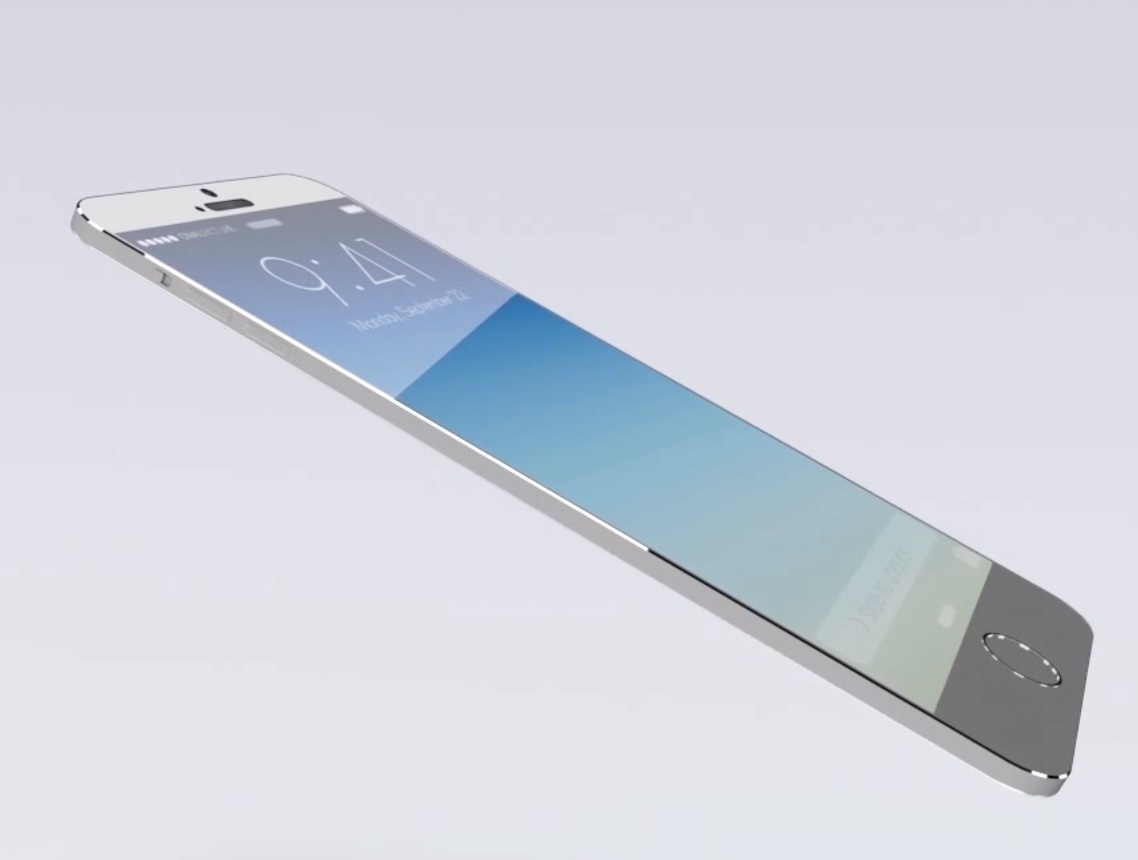
The Air branding has long represented Apple’s focus on thinness, portability, and minimalist design. From laptops to tablets, the Air name signals a balance between everyday performance and refined form.
Applying this philosophy to a smartphone introduced unique constraints. Early internal testing reportedly highlighted challenges around battery capacity, thermal control, and durability. These obstacles fueled doubts about whether an ultra thin handset could meet Apple’s strict quality standards.
Why 2026 Has Emerged as a Key Timeline
Industry analysts increasingly reference 2026 as a realistic timeframe for Apple to revisit an ultra slim phone. Apple’s product planning typically spans many years, especially when new manufacturing techniques or materials are involved.
A longer timeline allows for refinement of internal components, stronger structural materials, and better energy efficiency. If Apple believes these issues can be solved without compromising user experience, a future release becomes more plausible.
Apple’s Evolving Design Strategy
In recent years, Apple has shifted toward gradual design evolution rather than dramatic annual changes. This strategy allows experimental ideas to mature quietly without disrupting the core lineup.
Within this framework, the iPhone Air 2 could exist as a complementary option rather than a replacement for existing models. Such a device would likely appeal to users who value comfort, weight, and aesthetics over maximum technical specifications.
Signals From the Supply Chain
Much of the renewed interest stems from subtle signals within Apple’s global supply chain. Component manufacturers have reportedly been asked to explore thinner display assemblies, compact internal layouts, and lightweight materials.
While these inquiries do not confirm a final product, they are consistent with previous exploration into slimmer devices. Apple is known to prototype extensively, and many concepts never reach consumers, but repeated activity keeps speculation alive.
Addressing Earlier Cancellation Concerns
Skepticism remains due to earlier reports suggesting the project faced cancellation. Battery life was widely cited as the primary concern, as thinner designs leave less room for power cells.
Apple has historically chosen to abandon products rather than release something that fails to meet expectations. Any revival of this concept would require confidence that modern technology can offset physical limitations without frustrating users.
Technology That Could Change the Equation
Several advances since the original concept phase may work in Apple’s favor. Improved chip efficiency has reduced heat output and energy consumption, while new battery stacking techniques promise better capacity in smaller spaces.
Advances in materials science also offer stronger yet lighter frames. These developments strengthen the argument that an ultra slim phone could now meet Apple’s standards.
Shifting Consumer Preferences
Consumer tastes are not fixed. While large phones have dominated recent years, there is growing interest in lighter, more comfortable devices that are easier to hold and carry.
Competitors experimenting with compact flagships and alternative form factors suggest a renewed focus on ergonomics. Apple may see an opportunity to address this demand with a refined design oriented model.
Positioning Within Apple’s Product Line
Apple’s current lineup emphasizes choice across size, performance, and price. An Air branded phone would likely emphasize design and everyday usability rather than top tier cameras or maximum battery endurance.
The iPhone Air 2 could occupy a niche between standard and professional models, offering a premium feel without competing directly on specifications. It could also serve as a design testbed for future mainstream devices.
Competitive Landscape and Industry Pressure
The global smartphone market continues to evolve, with manufacturers seeking differentiation through form factor innovation. Ultra thin designs, foldables, and modular concepts are increasingly common.
Apple typically enters such trends cautiously, refining ideas rather than adopting them early. A slim, design focused phone would align with Apple’s reputation for polish and long term reliability.
Pricing and Market Expectations
Pricing will be a critical factor if Apple proceeds. Consumers may accept trade offs in battery or camera performance only if pricing reflects those compromises.
Clear positioning would be essential to avoid confusion. Apple would need to communicate that the device prioritizes elegance and comfort rather than raw power.
Sustainability and Regulatory Considerations
Apple’s long term planning increasingly incorporates environmental goals. Thinner devices may use fewer materials and offer improved energy efficiency.
By the middle of the decade, regulatory pressures around sustainability and device longevity could further influence design decisions, making a lighter device more attractive from a compliance standpoint.
Apple’s Silence and Industry Interpretation
As expected, Apple has not commented on future iPhone models. The company’s secrecy fuels speculation but provides no confirmation.
For observers, the lack of comment simply reinforces the idea that Apple continues to explore multiple design paths simultaneously.

Broader Industry Impact
Even unconfirmed discussion can influence the industry. Suppliers adjust capacity planning, competitors reassess design priorities, and analysts model potential market responses.
The ongoing conversation around the iPhone Air 2 demonstrates how Apple’s internal experiments can shape expectations well beyond its own product lineup.
What to Watch Going Forward
Clearer signals may emerge over the next two years. Manufacturing commitments, software adaptations, and accessory planning would all suggest increasing likelihood.
Until then, reports should be viewed as informed speculation rather than confirmation.
Why This Conversation Matters
The renewed attention highlights a broader shift in smartphone innovation. Comfort, design, and sustainability are becoming as important as processing power and camera performance.
Apple’s willingness to revisit ambitious ideas underscores its long term approach to product evolution rather than short term trend chasing.
Outlook Toward the End of the Decade
If Apple moves forward, the iPhone Air 2 would likely reflect years of refinement and cautious decision making. Apple rarely releases products that fail to meet its internal benchmarks, even if that means delaying or canceling them.
For now, the idea remains a possibility rather than a promise.
Speculation surrounding the iPhone Air 2 shows how Apple continues to explore bold design concepts despite earlier setbacks. Advances in technology and changing consumer preferences keep the idea relevant, even as uncertainty remains.
Whether the device launches in 2026 or remains an internal experiment, the discussion itself illustrates Apple’s influence on how smartphones are imagined and refined for the future.