
New Jersey, February 4, 2026: Brussels Morning Newspaper observes a sharply evolving political landscape as the ICE debate emerges as the defining issue in a closely watched congressional race. With national attention focused on immigration enforcement and local governance, voters across the state are weighing how federal policy intersects with community life, economic stability, and public trust. The contest has become one of the most significant political tests of the 2026 election cycle in the northeastern United States.
Immigration Policy Takes Center Stage in New Jersey
Immigration has long influenced American politics, but in this race, the ICE debate has moved decisively to the forefront. Campaign events across New Jersey now routinely center on enforcement practices, federal cooperation, and the role of local institutions. Candidates are pressed to explain how their positions would affect families, employers, and public safety.
Political analysts note that this shift reflects growing voter demand for clarity. Rather than broad statements, constituents want concrete answers on how immigration rules are applied in everyday life. As a result, the issue now frames nearly every major campaign appearance.

Candidate Positions Reveal Sharp Contrasts
The leading candidates present distinctly different visions. One contender emphasizes adherence to federal law and structured cooperation with immigration authorities, arguing that consistency ensures fairness. The opposing candidate stresses limits on local involvement, highlighting the importance of trust between residents and public institutions.
Throughout debates, the ICE debate has become a symbol of these contrasting philosophies. Supporters on each side frame their choice as one between order and inclusion, making the election as much about values as about policy.
Voter Sentiment and Community Perspectives
Across diverse communities, reactions vary but engagement is high. Suburban voters often cite economic concerns and regulatory certainty, while urban residents emphasize social stability and access to services. Despite these differences, surveys indicate that the ICE debate ranks among the top factors influencing voter decisions statewide.
A longtime resident attending a town hall said,
“People want to feel secure without feeling targeted. That balance matters.”
Such sentiments reflect the nuanced views shaping this election.
Grassroots Mobilization Intensifies
Community organizations have become increasingly active, hosting forums and informational sessions. Advocacy groups on both sides aim to educate voters on how immigration enforcement policies affect daily life.
At a recent community meeting, one organizer stated,
“When policies are unclear, communities feel the strain first.”
The remark highlights how the ICE debate extends beyond politics into lived experience.
National Media and Political Attention
As the campaign progresses, national outlets have spotlighted New Jersey as a potential bellwether. The sustained focus on the ICE debate has attracted outside funding and endorsements, elevating the race’s profile.
Strategists suggest the outcome could influence how immigration is framed in other competitive districts, particularly in states with diverse populations and tight electoral margins.
Economic Implications for the State
New Jersey’s economy relies heavily on immigrant labor across healthcare, logistics, construction, and technology. Business leaders caution that abrupt policy shifts could disrupt workforce stability.
Within this context, the ICE debate intersects with broader economic planning. Candidates are increasingly asked how their positions align with growth, innovation, and competitiveness in a global economy.
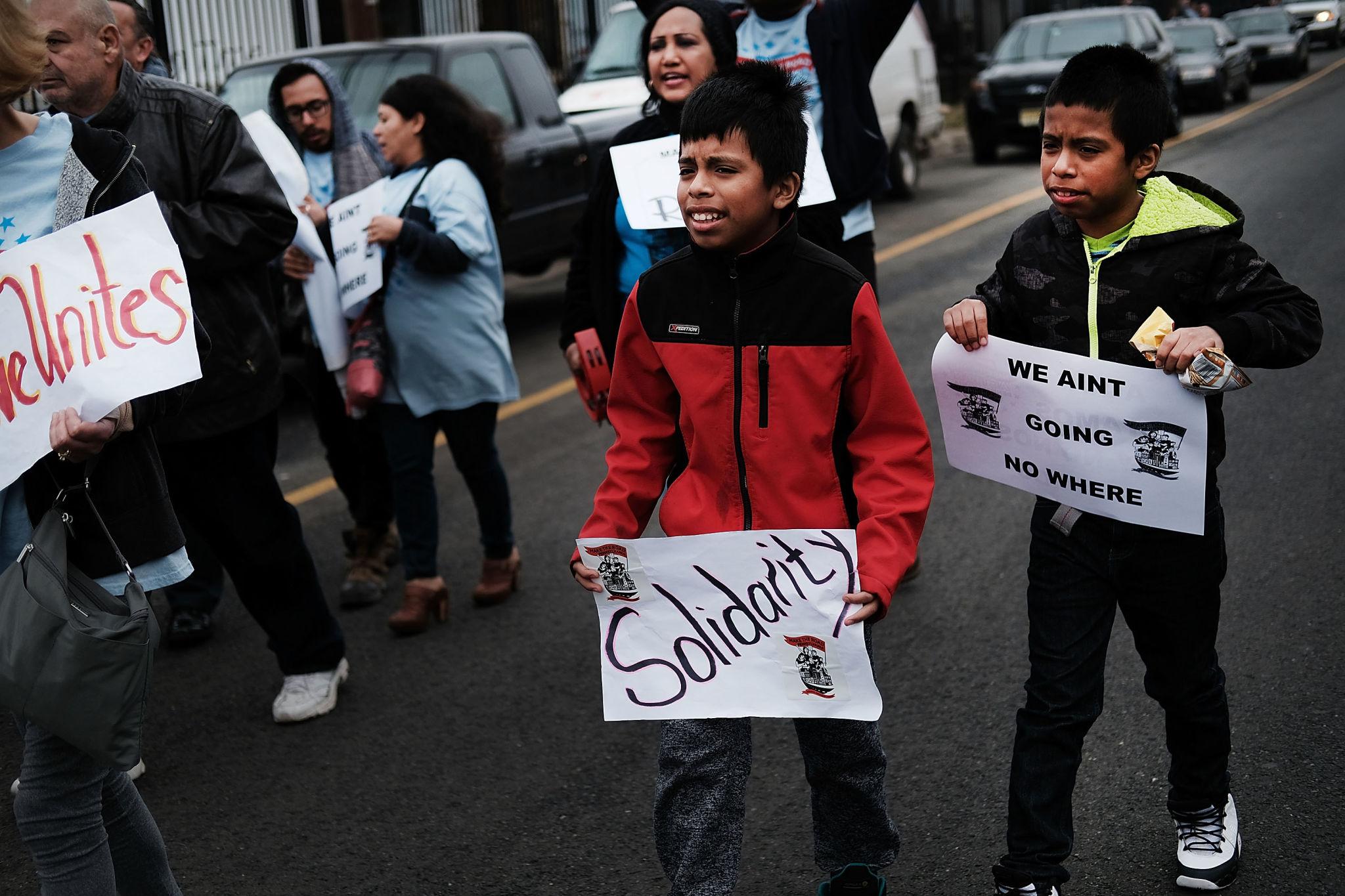
Law Enforcement and Public Trust
Local law enforcement officials emphasize that community cooperation is essential for effective policing. While avoiding partisan alignment, many acknowledge that trust influences crime reporting and emergency response.
Campaign discussions often link public safety narratives to the ICE debate, with each side arguing its approach best supports both security and cooperation.
Historical Perspective on Immigration in New Jersey
New Jersey has a long history as a gateway for immigrants, shaping its culture and economy for generations. Past elections addressed immigration cautiously, often avoiding firm stances to maintain broad appeal.
The current prominence of the ICE debate marks a departure from that tradition. Its central role in this race reflects changing voter expectations and a political environment more willing to confront complex national issues at the local level.
Campaign Strategy and Messaging
Modern campaign strategies rely heavily on digital outreach and targeted messaging. Immigration enforcement narratives are tailored to specific communities, reflecting localized concerns.
The repeated emphasis on the ICE debate demonstrates how a single issue can anchor a broader campaign strategy, influencing advertising, debate preparation, and voter outreach.
Youth and First-Time Voter Engagement
Younger voters and first-time participants show heightened interest in this election. Many cite immigration policy as a defining issue shaping their political identity.
A college student volunteering for a voter drive remarked,
“This is the first election where I feel the stakes directly affect my friends and neighbors.”
The comment illustrates how the ICE debate resonates across generations.
Policy Implications Beyond Election Day
Regardless of the outcome, analysts expect the election to influence legislative priorities. The prominence of the ICE debate suggests immigration enforcement will remain a key topic in congressional discussions.
Lawmakers may face increased pressure to clarify federal-local relationships and address long-standing policy ambiguities highlighted during the campaign.
Broader Impact on the 2026 Election Cycle
Political observers view this race as a preview of national trends. If immigration proves decisive here, similar approaches may appear in other states.
The sustained attention to the ICE debate indicates its potential to shape party strategies and voter engagement throughout the 2026 cycle.
A Defining Moment for New Jersey Politics
As Election Day approaches, the race underscores how local contests can reflect national debates. Voters are not only choosing a representative but signaling how they believe immigration policy should be handled in their communities.
One political analyst summed up the moment by saying,
“This election is less about party labels and more about how policy touches daily life.”
The observation captures why the ICE debate has become so influential.
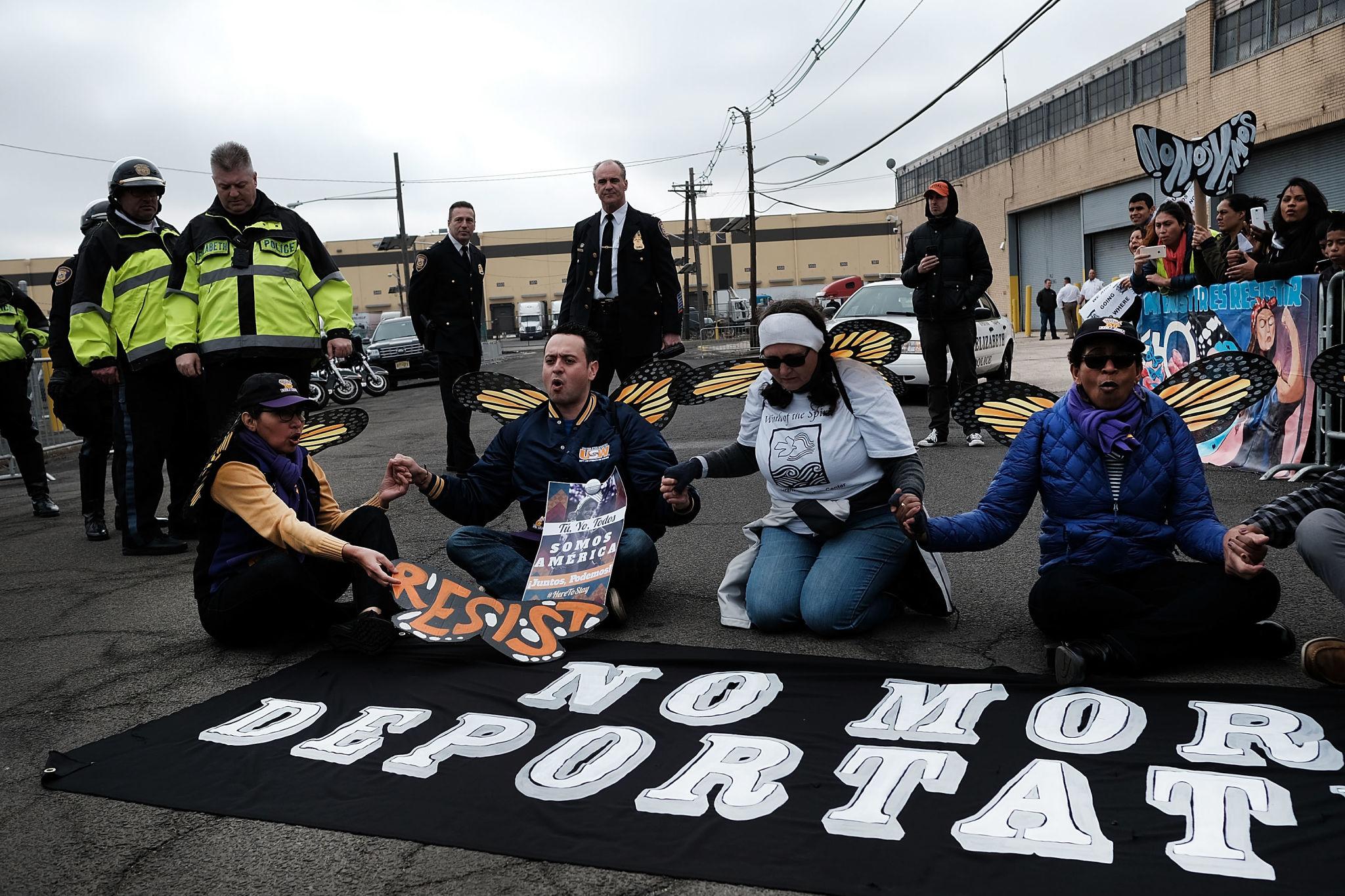
What This Election Signals for New Jersey Politics
The 2026 New Jersey congressional race stands as a clear example of how immigration enforcement can redefine political priorities. With voters deeply engaged and national attention fixed on the outcome, the election offers insight into the evolving relationship between federal policy and local governance.
As the campaign concludes, the ICE debate remains the central thread connecting voter concerns, candidate messaging, and broader national conversations, marking this contest as a pivotal chapter in modern American politics.