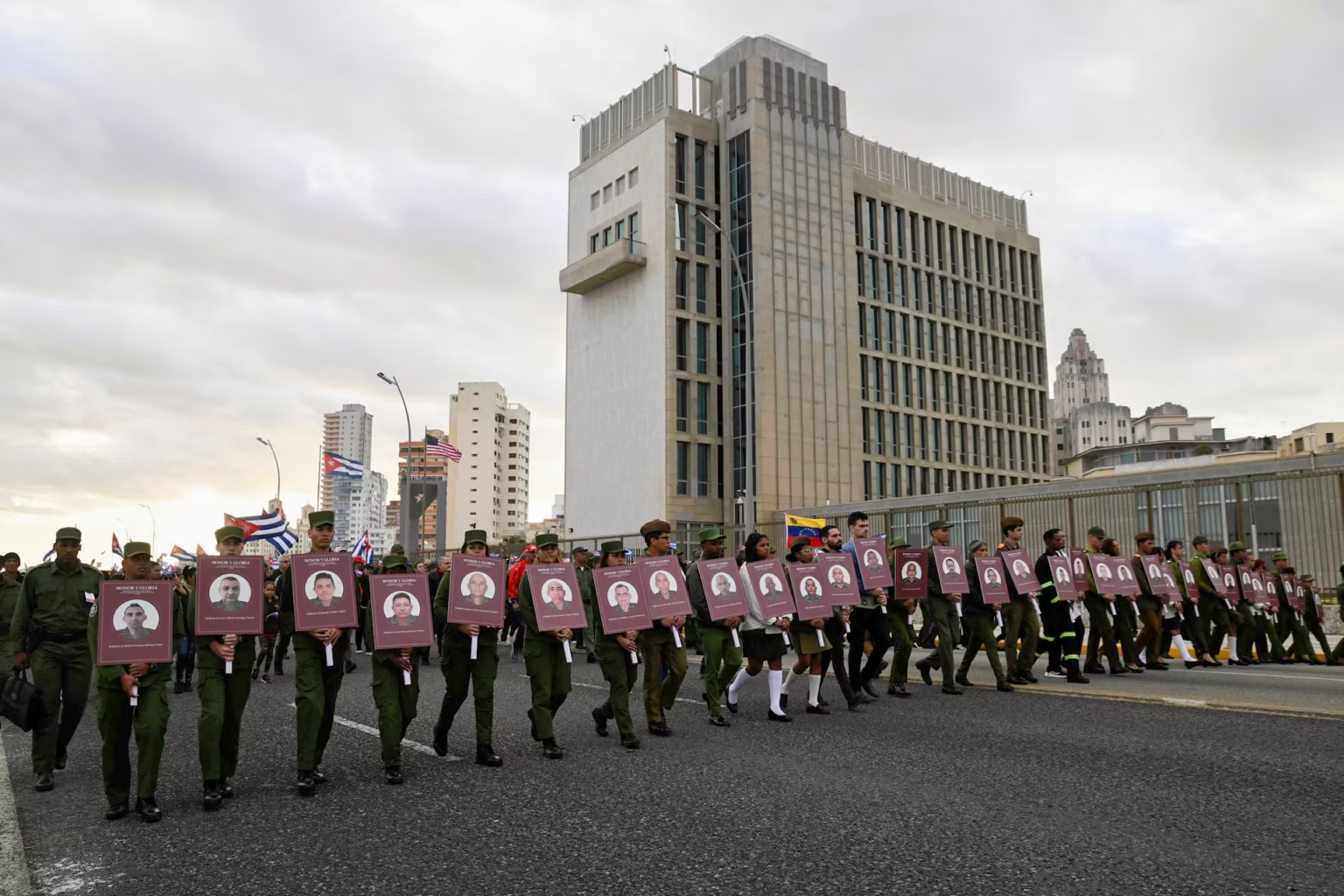
HAVANA, January, 2026 — Brussels Morning Newspaper notes that Cuba US tensions have once again emerged as a central force influencing political discourse, public expression, and diplomatic positioning in the Cuban capital as 2026 unfolds. Public gatherings, official messaging, and sustained international attention indicate that the long-standing bilateral strain continues to shape both domestic governance and Cuba’s engagement with the outside world.
The mood in Havana reflects a mixture of historical continuity and modern uncertainty. While familiar narratives of sovereignty and resistance remain prominent, economic pressure, generational change, and evolving global dynamics are redefining how political identity is articulated across the island.
A Bilateral Relationship Shaped by History
Relations between Cuba and the United States have been defined by more than six decades of ideological confrontation, economic sanctions, and intermittent diplomatic engagement. Since the early 1960’s, the relationship has followed a cyclical pattern of escalation and cautious dialogue, with each phase leaving a deep imprint on Cuban political culture.
The present phase of Cuba US tensions reflects this historical legacy, yet analysts note that the global context has changed significantly. Unlike earlier decades dominated by Cold War dynamics, today’s disputes unfold in a multi-polar international system shaped by regional alliances, economic interdependence, and shifting geopolitical priorities.
Public Demonstrations as a Political Signal
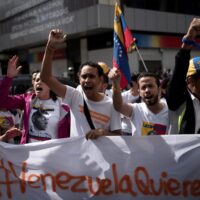
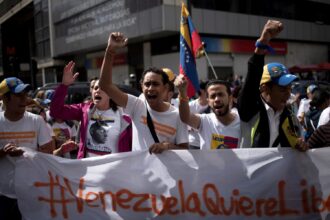
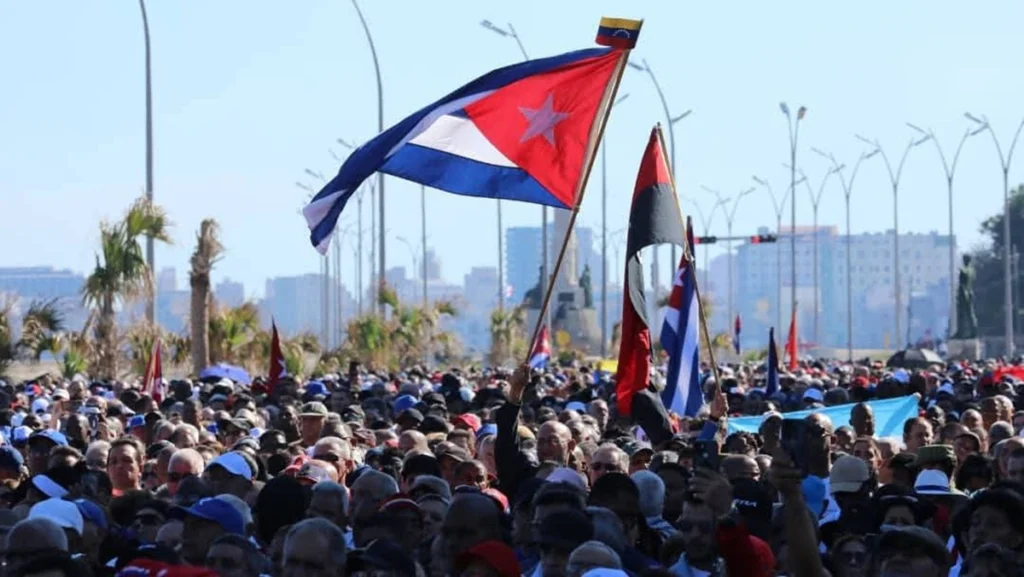
Public demonstrations in Havana have once again become a visible expression of political sentiment. Organized gatherings near diplomatic areas drew large crowds carrying national symbols and messages emphasizing independence and resistance to external pressure.
Authorities framed these gatherings as peaceful civic expressions, highlighting discipline and unity. Observers emphasize that such demonstrations have long served as a mechanism through which political messaging is conveyed to both domestic and international audiences.
For many participants, the events were less about confrontation and more about reaffirming national identity during a period of heightened uncertainty.
Institutional Messaging and State Coordination
Cuban institutions played a prominent role in shaping the tone and structure of recent mobilizations. Official communications emphasized continuity, sovereignty, and resilience, framing the current moment as part of a long national narrative rather than a sudden rupture.
Within this framework, Cuba US tensions were presented as structural challenges that require patience, unity, and strategic endurance.
State media amplified these themes, reinforcing the idea that political cohesion remains essential in navigating prolonged diplomatic strain.
Economic Pressures and Public Interpretation
Economic conditions continue to shape how foreign policy disputes are perceived by the population. Inflation, shortages, and limited access to imported goods have affected everyday life, influencing public attitudes toward international relations.
Many citizens associate economic hardship with external restrictions, viewing diplomatic strain through a practical lens rather than abstract ideology. In this context, Cuba US tensions are frequently discussed in terms of their tangible impact on household stability and future opportunity.
Economists argue that prolonged strain reduces prospects for trade normalization and investment, reinforcing cycles of economic vulnerability that shape public sentiment.

Generational Perspectives and Youth Participation
Younger Cubans have played a visible role in recent political gatherings, reflecting a generational dimension to current events. Students and youth organizations led chants and displayed messages that blended national pride with concerns about employment, education, and economic mobility.
This participation highlights both continuity and change. While younger generations echo long-standing political narratives, they also introduce new priorities shaped by contemporary challenges.
Analysts suggest that youth engagement represents an effort to ensure political messaging remains relevant in a rapidly changing social and economic environment.
International Attention and Diplomatic Messaging
Developments in Havana have drawn sustained attention from foreign governments and multilateral organizations. European officials have emphasized dialogue, while regional leaders monitor implications for Caribbean stability and migration patterns.
The persistence of Cuba US tensions has influenced discussions in international forums, where differing approaches to engagement and pressure continue to divide opinion.
Some governments advocate renewed diplomatic outreach, while others maintain that external pressure remains a necessary tool in shaping policy outcomes.
Media Narratives and Global Perception
Coverage of events in Havana highlights contrasting narratives across media landscapes. Domestic outlets emphasize unity, sovereignty, and resilience, while international media often focus on economic hardship and political expression.
These divergent frames shape global understanding of Cuba US tensions, influencing how audiences interpret motivations and consequences.
Digital platforms have further diversified information flows, allowing multiple perspectives to circulate simultaneously and complicating efforts to control narrative framing.

Security Measures and Civic Order
Security presence around diplomatic zones increased during recent gatherings as Cuba US tensions continued to influence public demonstrations. Authorities coordinated crowd management and traffic control to ensure normal activity across central Havana. Officials confirmed that no major incidents were recorded, highlighting the maintenance of public order throughout the event.
The peaceful conclusion of the demonstrations reinforced official narratives centered on discipline and organization. Within the broader context of Cuba US tensions, stability during politically sensitive moments was emphasized as a national priority.
A Single Voice Reflecting the Moment
“We are defending our independence and our right to decide our future without external pressure,”
one speaker told the crowd during a public address in Havana.
The statement echoed widely among participants, capturing public sentiment shaped by Cuba US tensions. The message underscored how sovereignty remains a central theme when diplomatic strain intensifies.
Regional Effects Beyond National Borders
Cuba’s evolving political climate carries implications for the wider Caribbean and Latin America, particularly as Cuba US tensions influence migration flows, trade relationships, and diplomatic positioning. Regional governments closely monitor developments in Havana due to their broader impact.
Countries hosting Cuban migrants remain especially attentive, as political and economic stability on the island directly affects regional dynamics linked to Cuba US tensions.
Institutional Stability and Political Identity
Cuban leadership continues to stress institutional continuity as a stabilizing force during periods shaped by Cuba US tensions. Official messaging frames the current situation as part of a historical continuum rather than a shift in national direction.
This approach reinforces long standing ideological principles, presenting unity as a core response to prolonged external pressure associated with Cuba US tensions.
Public Expectations and Political Endurance
Public sentiment reflects a complex mix of resilience and fatigue as Cuba US tensions persist. While economic challenges have intensified frustration, national identity and sovereignty remain powerful forces mobilizing public participation.
Political analysts suggest endurance has become a defining feature of civic life, shaping responses to both domestic pressures and international disputes influenced by Cuba US tensions.
What 2026 Signals for Bilateral Relations
As 2026 progresses, few observers anticipate rapid normalization between Havana and Washington. Structural disagreements remain unresolved, and policy adjustments appear incremental on both sides.
The future direction of Cuba US tensions will depend on broader geopolitical developments, domestic economic conditions, and political calculations in both capitals.
A Turning Chapter in Cuba’s Contemporary Diplomatic Story
The developments unfolding in Havana represent more than a temporary escalation. They mark a continuation of a complex diplomatic story that has shaped Cuba’s global identity for generations.
As the year advances, the balance between resilience, adaptation, and engagement will determine how this chapter is written and how it is remembered in Cuba’s modern political history.