This article explores the strategies used by the Islamic Republic of Iran to maintain its grip on power, analyzed through the framework of totalitarian governance theories. Drawing on the insights of political thinkers such as Hannah Arendt, Michel Foucault, and Juan Linz, it examines how the regime systematically dismantles collective will through direct repression, the manufacture of social crises, and psychological manipulation.
While poverty and addiction are the most visible expressions of this strategy, the deeper objective is to paralyze collective human agency.
This model of rule goes beyond the physical suppression of dissent. It targets the internal destruction of society’s capacity for unified action. The regime employs a multifaceted strategy that includes fostering widespread addiction, deepening economic hardship, promoting systemic corruption, enforcing social isolation, widening generational divides, spreading despair, and eroding cultural vitality.
The system of Velayat-e Faqih (Guardianship of the Islamic Jurist) stands as one of the clearest examples of such a totalitarian structure. Consider that half the population—women—live under constant threat of arrest and harassment in public spaces, while many men are absorbed in the daily struggle to provide for their families.
In totalitarian systems, genuine judicial independence or a meaningful constitution is absent; all aspects of governance serve the survival of the ruling elite. Juan Linz, in his theory of authoritarianism, highlights how controlling institutions and fostering a state of “permanent crisis” are central tools for authoritarian endurance.
In Iran, beyond formal instruments of repression such as security forces and intelligence agencies, the regime also deploys informal mechanisms—fueling ongoing crises, spreading social decay, and using subtle, seemingly apolitical forms of “soft repression.” The clerical regime doesn’t rely solely on imprisonment and executions to survive; it also manufactures dysfunction and institutionalized corruption to weaken civil society’s ability to resist or seek justice.
To maintain control over the population, the regime follows three overarching strategies:
A) Forcing the Population into a Struggle for Basic Survival
- Chronic inflation: For more than four decades, Iran has faced double-digit inflation. The unchecked printing of unbacked currency erodes public wealth while funding the regime’s military and proxy agendas. Daily life is further strained by severe shortages in water, food, electricity, and dangerously polluted air—often at emergency levels.
- Wages deliberately kept below the poverty line, maintaining a state of constant economic pressure.
- Expansion of precarious employment, even in critical sectors. For instance, many nurses are employed on rolling three-month contracts without job security.
- Economic dependence is reinforced through unstable subsidies and conditional aid—tools the regime uses to exert control over livelihoods.
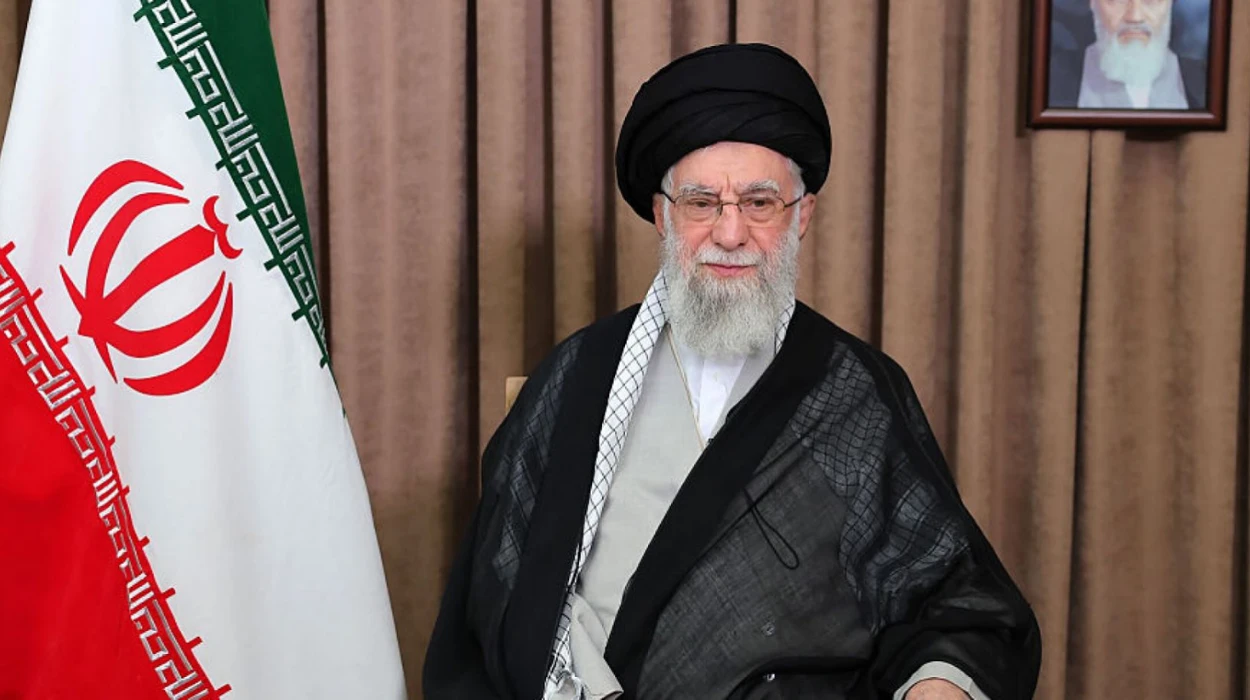
A quote attributed to Supreme Leader Khamenei, reported by former official Rouhani Zanjani via Hashemi Rafsanjani, reveals the regime’s mindset:
“The more people are in need, the more they cling to religion”
meaning submission to the regime.
B) Encouraging Corruption and Social Deviation
- Biopolitical control, as described by Michel Foucault, is evident in Iran through the tolerated—or even facilitated—spread of drug addiction. An estimated 3 to 4 million Iranians are addicted. After the fall of Bashar al-Assad, drug-manufacturing facilities producing addictive pills for export were discovered in Syria. The Islamic Revolutionary Guard Corps (IRGC) is widely believed to control narcotics routes both within Iran and beyond.
- Institutionalized corruption: Bribery, favoritism, and patronage are so entrenched that many public services are inaccessible without intermediaries or illicit payments.
- Moral decay, especially among elites and youth, fueled by the state’s imposition of role models and suppression of healthy avenues for personal and professional development.
- Deliberate generational fragmentation, fostering widespread mistrust between different segments of society and weakening collective cohesion.
C) Psychological and Cultural Erosion of Society
- Spreading hopelessness and despair, especially among youth and women. Suicide rates are steadily rising in both groups.
- Deliberate weakening of universities, which should be pillars of critical thinking and dissent. These institutions have been reduced to fearful, passive spaces. As a result, millions of skilled graduates have been forced into exile, leaving the country increasingly devoid of expertise in key sectors.
- Total control of media: Independent journalism is effectively banned unless aligned with official power factions.
- Demonization of the opposition, particularly in exile, through costly disinformation campaigns aimed at discrediting resistance movements and undermining the credibility of the Iranian diaspora.
Conclusion
The Islamic Republic’s survival depends not only on visible repression—executions, arrests, and imprisonment—but also on the deep entrenchment of structural crises: hyperinflation, water and power shortages, a crippled internet, and the ongoing decay of infrastructure and public services. These manufactured conditions sap society’s energy and leave little space for political or social mobilization.
From workers to retirees, all segments of the population are consumed by the demands of daily survival. Meanwhile, the regime’s ideological think tanks continue to refine and reproduce mechanisms of repression.
Conclusion
The Iranian people, along with their organized resistance, are confronting a regime whose only inviolable principle is its own survival—at any cost. In this context, Western policies of appeasement have often—whether intentionally or not—helped prolong the regime’s rule. Today, the Islamic Republic is not only a source of regional terrorism and fundamentalism but also a driver of instability that now reaches into the heart of Europe.
Dear reader,
Opinions expressed in the op-ed section are solely those of the individual author and do not represent the official stance of our newspaper. We believe in providing a platform for a wide range of voices and perspectives, even those that may challenge or differ from our own. We remain committed to providing our readers with high-quality, fair, and balanced journalism. Thank you for your continued support.