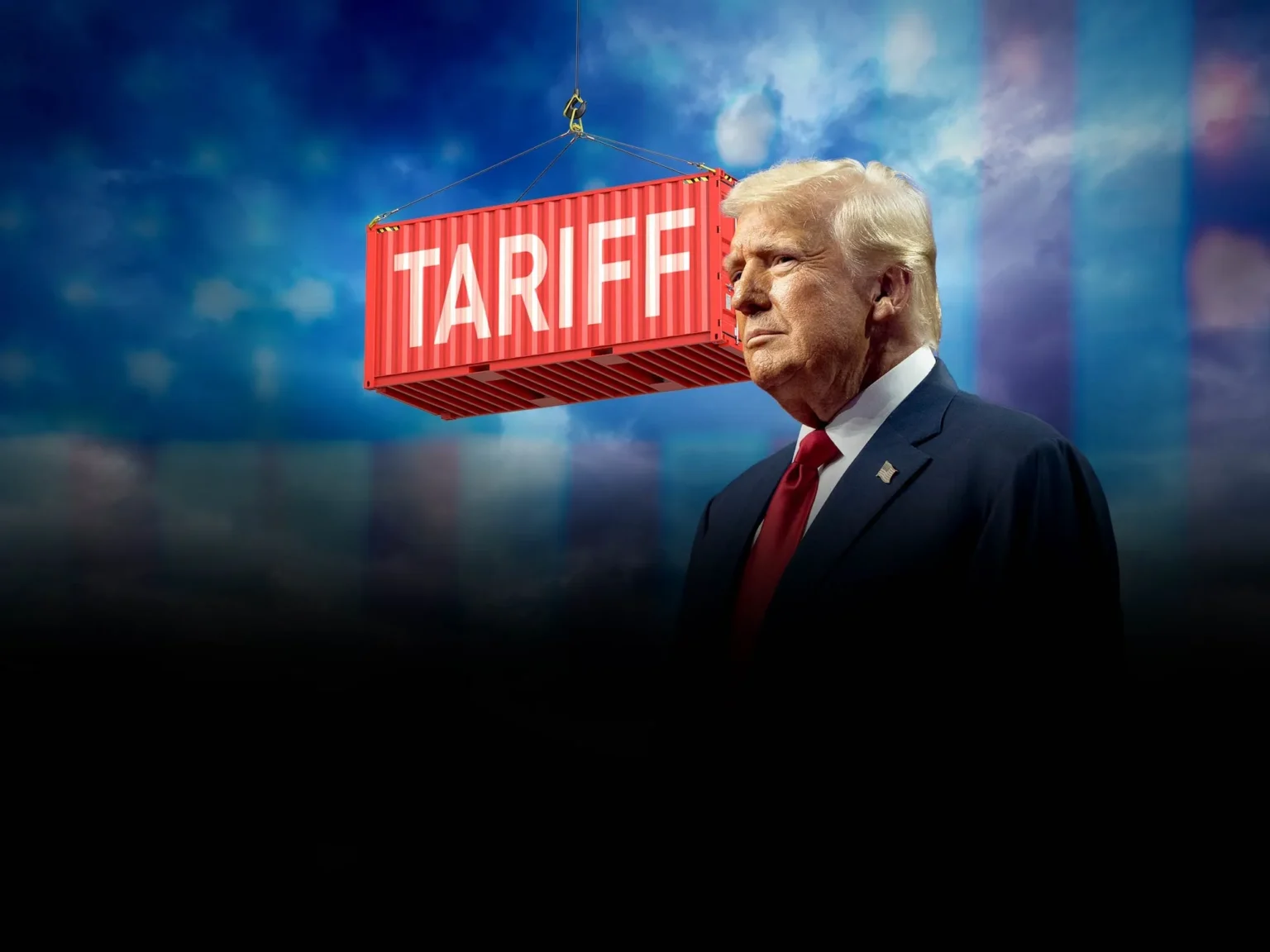
Brussels, January, 2026 — According to Brussels Morning Newspaper, investors around the world faced renewed turbulence as markets reacted to fresh political signals on trade and tariffs. The session unfolded with sharp moves across Asia, Europe, and North America, and the phrase Global Stocks Drop quickly became shorthand among traders for a synchronized loss of confidence that stretched well beyond any single exchange.
Market participants stressed that the selloff was not driven by one announcement alone, but by the accumulation of uncertainty that has followed international trade policy for years. With memories of earlier disruptions still vivid, even measured language carried out sized influence.
Trade Signals Rekindle Market Sensitivity
Trade policy has long been a pressure point for financial markets. When political leaders revisit tariff language, investors tend to reassess risk exposure rapidly. This dynamic was visible again as Global Stocks Drop reflected broad concern about how renewed trade friction could affect supply chains, pricing, and corporate margins.
Analysts noted that uncertainty itself remains a key driver of volatility. Even without immediate policy changes, the prospect of higher trade barriers can slow investment and hiring, feeding back into market valuations.
Wall Street Sets a Cautious Tone
US markets played a pivotal role in shaping global sentiment. Futures pointed lower before the opening bell, and once trading began, selling pressure spread quickly. Companies with significant overseas revenue exposure were among the hardest hit.
As Wall Street weakened, expectations that Global Stocks Drop would extend internationally became entrenched. The US market’s influence ensured that caution carried into later trading sessions elsewhere.
European Markets React From the Center of Policy Debate
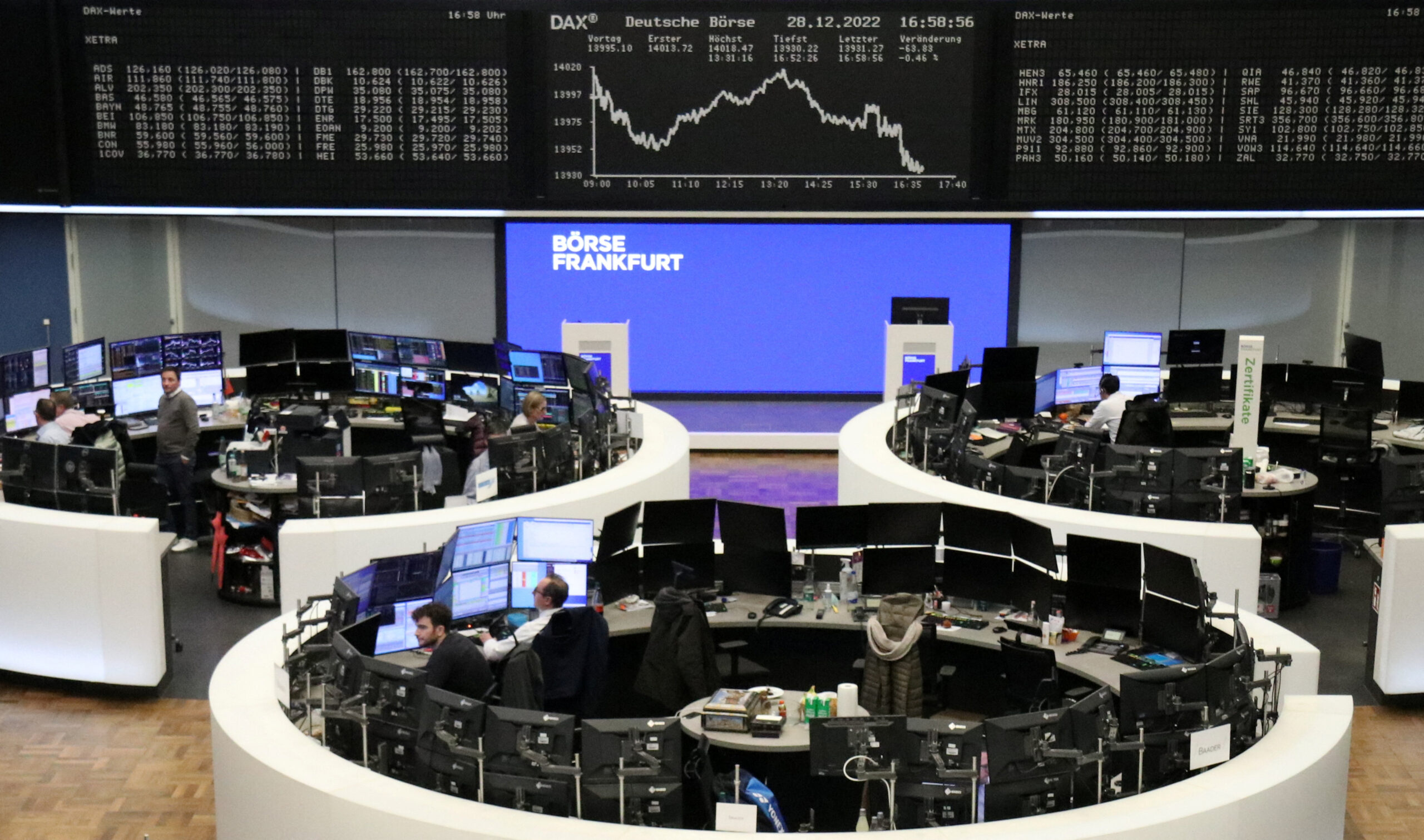
European equities followed the downward momentum, with export oriented sectors under particular strain. In Brussels, policymakers monitored developments closely, aware that sustained market stress can spill into the real economy.
Banks, industrial firms, and luxury brands all faced losses as investors considered the implications of renewed trade uncertainty. The regional response reinforced the perception that Global Stocks Drop was rooted in shared macroeconomic anxiety rather than regional weakness.
Asian Sessions Signal Early Weakness
Asian markets had already set the tone earlier in the day. Export heavy economies were particularly exposed, given their reliance on open trade routes and stable demand.
Strategists observed that Asia’s early decline fed into the narrative that Global Stocks Drop would become a global rather than localized event. The hand-off between time zones illustrated how interconnected modern markets have become.
Gold Regains Appeal as a Safe Asset
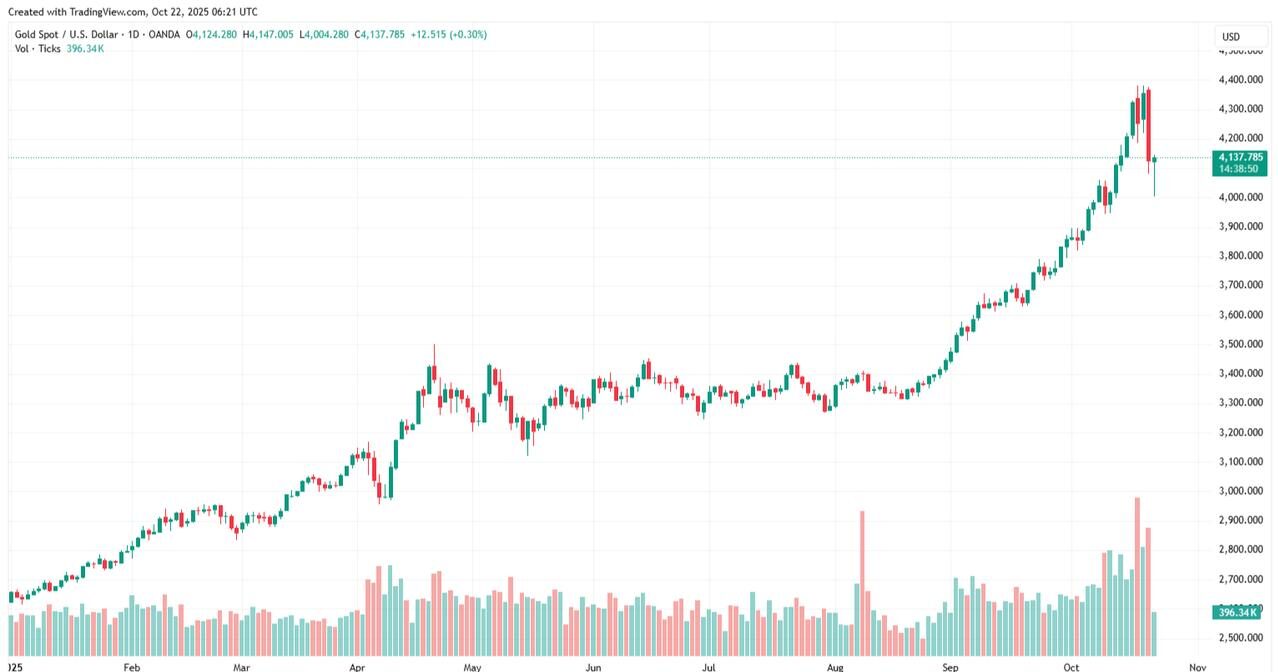
As equities fell, demand for gold increased. The precious metal has historically served as a hedge during periods of uncertainty, and investors again turned to it as volatility rose.
Flows into gold backed products highlighted the defensive shift underway. This pattern often accompanies episodes when Global Stocks Drop, as portfolio managers seek to preserve value amid turbulent conditions.
Bond and Currency Markets Echo Risk Aversion
Government bonds attracted renewed interest, pushing yields lower. In currency markets, traditional safe haven currencies strengthened against risk sensitive peers.
These moves confirmed that the equity selloff was part of a broader adjustment in risk appetite. When Global Stocks Drop, correlated shifts across asset classes tend to follow.
Corporate Planning Faces Fresh Questions
For multinational firms, renewed trade uncertainty complicates strategic planning. Tariffs can raise input costs, disrupt logistics, and alter competitive dynamics.
Equity analysts warned that earnings forecasts could come under pressure if uncertainty persists. This forward looking concern helps explain why Global Stocks Drop reflected expectations rather than immediate financial results.
Central Banks Maintain Watchful Distance
Monetary authorities signaled vigilance but restraint. While no immediate policy response was suggested, officials remain alert to the risk that prolonged volatility could tighten financial conditions indirectly.
Central banks have repeatedly emphasized that stable trade assumptions underpin many forecasts. Extended periods when Global Stocks Drop could challenge those assumptions.
Market Psychology in a Headline Driven Era
Modern markets react not only to data but also to perception. Rapid information flows and algorithmic trading can amplify reactions to political language.
This environment helps explain the speed with which Global Stocks Drop entered the market narrative. Once momentum builds, technical factors can reinforce fundamental concerns.
One Analyst View Captures the Mood
One senior market strategist said,
“Uncertainty around trade policy revives old fears, and investors respond by reducing exposure before clarity emerges.”
This single quote reflects the defensive mindset prevailing across trading floors.
Short Term Shock or Longer Term Signal
Opinions remain divided on whether the selloff represents a temporary adjustment or a warning of deeper vulnerability. Some analysts expect stabilization if rhetoric cools, while others caution that repeated shocks erode resilience.
In either case, episodes when Global Stocks Drop underscore how sensitive confidence remains in an interconnected economy.
Political Messaging and Market Consequences
Political leaders often frame trade language for domestic audiences, but markets respond to potential outcomes rather than intent. This disconnect can magnify volatility.
For policymakers in Brussels and beyond, managing communication is increasingly important. When Global Stocks Drop, economic consequences can extend well beyond financial markets.
Global Growth Expectations Revisited
International institutions have highlighted the importance of open trade for growth. Renewed uncertainty complicates forecasts, particularly for export dependent economies.
This reassessment of prospects added context to why Global Stocks Drop resonated so widely across regions.

Investor Focus Shifts to What Comes Next
Attention now turns to official statements, economic data, and corporate guidance. Any signal of de escalation could restore confidence, while further tension would likely deepen volatility.
Until clarity improves, Global Stocks Drop remains the phrase shaping market discussions worldwide.
Beyond the Trading Screens Confidence as the Real Currency
Financial markets ultimately depend on confidence in predictable rules. Episodes like this highlight how quickly that confidence can weaken.
When Global Stocks Drop, the deeper issue is often uncertainty about the future path of policy rather than immediate losses.
Markets Confront a Test of Confidence
As March 2026 progresses, the latest bout of volatility underscores a familiar lesson. Political language on trade continues to carry significant weight, and markets react swiftly when uncertainty rises. While fundamentals may stabilize, the episode shows how easily Global Stocks Drop when confidence is shaken, reinforcing the importance of clear communication and measured policy signals in an interconnected global economy.