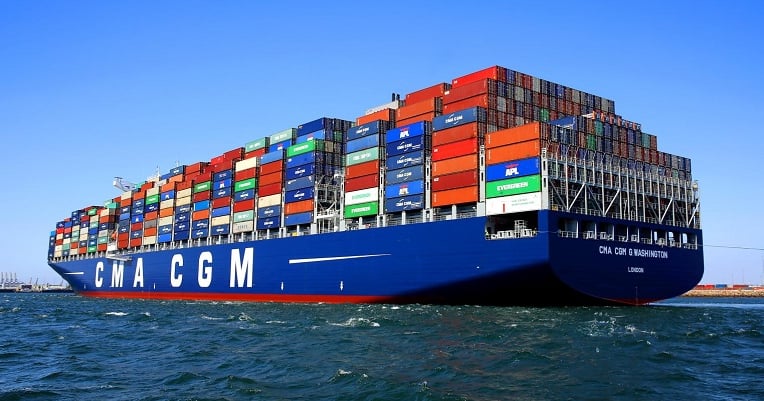
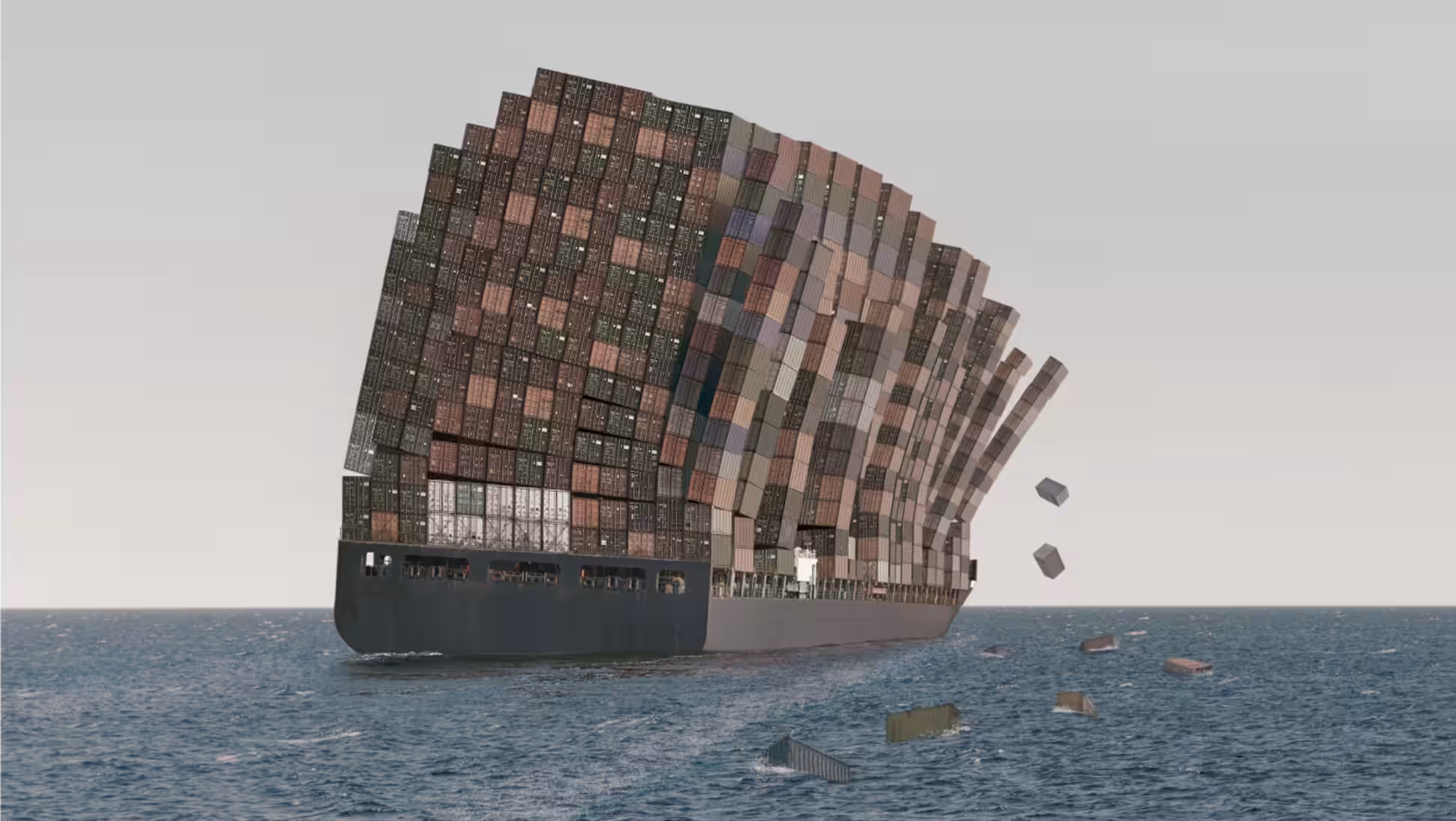
Marseille, France, January — Global shipping weather risks are increasingly shaping operational decisions across the maritime industry as shipping companies confront a surge in severe ocean conditions affecting major trade routes. French shipping group CMA CGM confirmed that some vessels have been re-positioned into safer areas following forecasts of worsening sea states, underscoring how climate volatility is altering global shipping operations.
Shipping executives say weather driven disruptions are no longer isolated events but a recurring challenge that affects fleet safety, cargo schedules, and port coordination worldwide.
Severe Ocean Conditions Challenge Established Shipping Routes
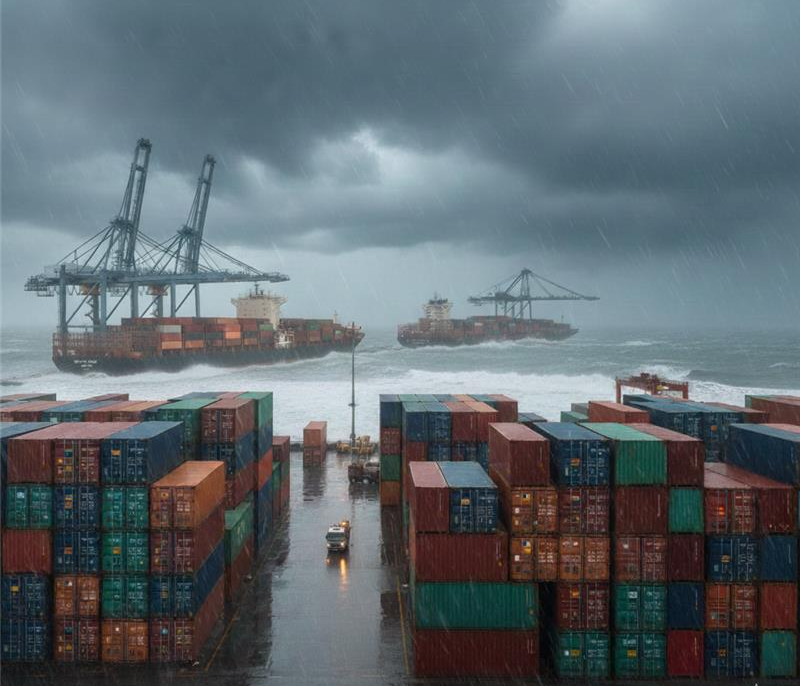
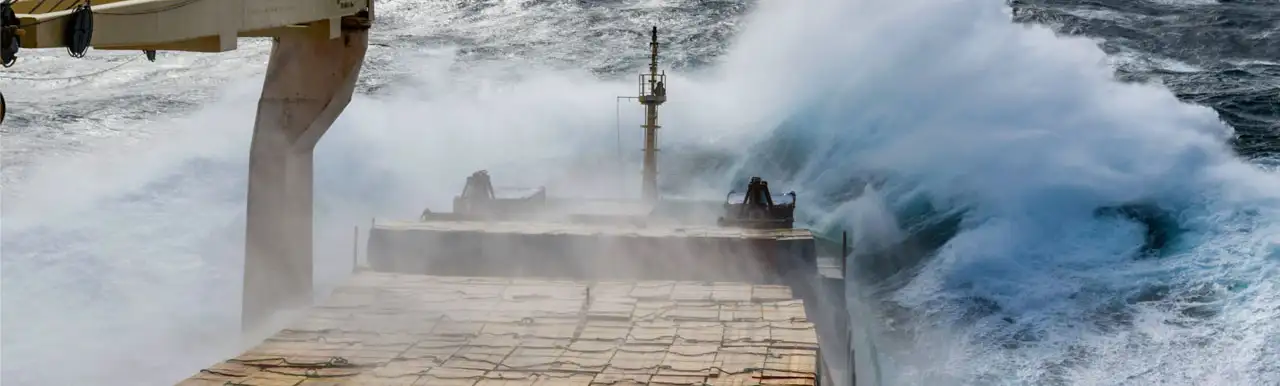
Meteorological agencies tracking ocean systems have reported stronger wind patterns, higher wave heights, and longer storm durations across key maritime corridors. These developments have placed pressure on shipping lanes that traditionally supported predictable and uninterrupted trade flows.
Global shipping weather risks have grown as vessels increasingly encounter unexpected turbulence even outside traditional storm seasons. Industry data shows that shipping delays related to weather have risen steadily over the past five years, prompting carriers to reassess route planning models.
Operational Decisions Prioritize Vessel and Crew Safety
Shipping companies operate under international maritime safety obligations that require early action when environmental risks escalate. Fleet managers rely on satellite imagery, real time forecasting, and port authority advisories to determine when vessels should alter course or slow transit speeds.
For CMA CGM, the decision to reposition vessels reflects a safety first approach designed to minimize exposure to dangerous conditions. The company said such measures help prevent structural damage, cargo loss, and crew injury during periods of elevated global shipping weather risks.
Insurance Exposure and Financial Implications
Weather related incidents at sea have increased insurance claims across the shipping sector. Insurers now factor climate volatility more heavily into risk assessments, affecting premium costs for carriers operating large fleets.
As global shipping weather risks intensify, companies face higher operating expenses tied to fuel usage, schedule disruptions, and port congestion. Analysts note that proactive safety decisions, while costly in the short term, reduce the likelihood of more expensive long term losses.
Supply Chain Sensitivity to Weather Disruptions
Modern supply chains depend on precise delivery timelines. Even minor shipping delays can disrupt manufacturing schedules, retail inventories, and distribution networks.
When vessels adjust routes or pause operations due to global shipping weather risks, downstream logistics providers must adapt quickly. Many firms now build additional buffer time into delivery schedules to account for weather driven uncertainty.
Technology Reshapes Maritime Risk Management
Advanced navigation systems have become essential tools for managing weather exposure. These platforms combine meteorological forecasting with vessel performance data to help captains and fleet managers make informed decisions.
CMA CGM and other major carriers have invested heavily in digital infrastructure to monitor ocean conditions continuously. Such systems enhance visibility during periods of global shipping weather risks and support faster response times when conditions deteriorate.
Crew Welfare Gains Greater Industry Focus
Seafarers operate in physically demanding environments, and extreme weather significantly increases fatigue and injury risks. Maritime labor organizations have called on shipping companies to prioritize crew welfare when navigating hazardous conditions.
Global shipping weather risks place additional strain on crews who may face extended voyages, rough seas, and limited rest opportunities. Industry observers say companies that take conservative safety measures demonstrate compliance with international labor standards.
Ports Adjust to Rising Weather Volatility
Port authorities are also affected by harsher weather patterns. High winds and heavy swells can suspend cargo handling operations and delay vessel berthing schedules.
As global shipping weather risks increase, ports are investing in stronger infrastructure, enhanced forecasting coordination, and updated emergency protocols to reduce operational downtime during storms.
Climate Trends Influence Long Term Shipping Strategy
Climate researchers have linked warming ocean temperatures to more powerful and unpredictable storm systems. These changes are expanding high risk zones and extending storm seasons beyond historical norms.
For shipping companies, global shipping weather risks now factor into long term planning decisions including fleet design, route diversification, and capital investment priorities.
Regulatory Oversight and Safety Compliance
International maritime regulators monitor how shipping companies respond to environmental threats. Failure to act appropriately during severe weather can trigger investigations and regulatory action.
By moving vessels to safer waters, CMA CGM aligns its operations with global safety expectations aimed at reducing incidents associated with global shipping weather risks.
Investor Confidence and Market Stability
Investors increasingly assess climate exposure when evaluating shipping companies. Firms that demonstrate effective risk management tend to attract stronger market confidence.
Managing global shipping weather risks transparently has become a key indicator of operational resilience in an industry facing growing environmental uncertainty.
Trade Flow Adjustments Amid Weather Uncertainty
Global trade volumes remain sensitive to disruptions in maritime transport. As weather volatility persists, some exporters and importers are exploring alternative routing strategies and inventory buffers.
Shipping companies capable of adapting to global shipping weather risks play a critical role in maintaining the continuity of international commerce.
Industry Perspective
One maritime operations specialist said,
“Severe weather has become a constant variable rather than a seasonal challenge, forcing shipping companies to integrate safety driven flexibility into every voyage plan.”
Fleet Management in an Era of Uncertainty
Shipping fleets today operate in a vastly different risk environment than a decade ago. Traditional assumptions about stable routes and predictable conditions no longer hold.
Global shipping weather risks now influence everything from vessel deployment to crew scheduling and maintenance planning.
Environmental Accountability and Corporate Responsibility
Public scrutiny of shipping practices has increased alongside environmental awareness. Companies are expected not only to protect assets but also to minimize environmental impact during adverse conditions.
Responsible handling of global shipping weather risks supports broader sustainability commitments across the maritime sector.
Strategic Adaptation Defines Industry Leaders
Shipping companies that respond quickly to emerging risks are better positioned to maintain service reliability. Adaptation rather than resistance has become the dominant strategic approach.
CMA CGM’s actions reflect how industry leaders view safety as integral to long term competitiveness.
Navigating the Future of Maritime Transport
As climate driven disruptions reshape the oceans, shipping companies face a future defined by adaptability and preparedness.
Global shipping weather risks are likely to remain a defining factor in maritime operations for years to come.
A Maritime Sector Redefined by Climate Pressure
The decision by CMA CGM to reposition vessels amid deteriorating conditions highlights a broader industry shift toward resilience. As storms grow stronger and less predictable, safety focused strategies will increasingly determine which shipping companies succeed in a volatile global environment.