

Brussels, 2026 — Brussels Morning Newspaper reports that global gold prices opened lower during early European trading, setting a cautious tone across financial markets. Dealers in Brussels described steady selling rather than sharp liquidation, indicating that investors were deliberately locking in profits after an extended rally. The move comes as 2026 unfolds with changing expectations around interest rates, inflation trends, and global economic stability, prompting market participants to reassess risk exposure.
The early session reflected a broader mood of re-calibration rather than alarm. Trading volumes were healthy, and liquidity remained strong, suggesting that investors were repositioning portfolios instead of abandoning gold entirely.
Profit Booking Marks a Natural Market Pause
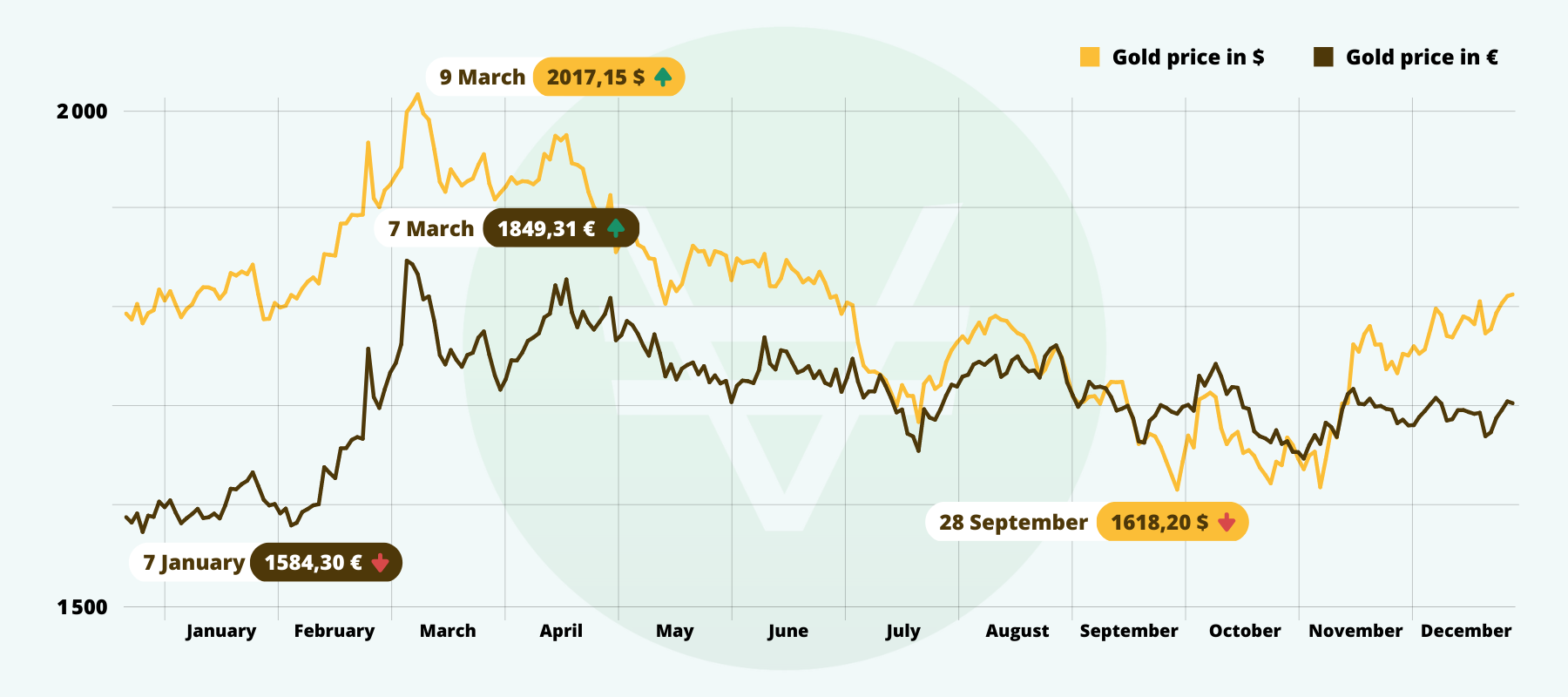
Profit taking remains one of the most common features of mature financial markets. After weeks of consistent gains, traders often choose to realize returns, especially when prices approach technical resistance levels. This pattern was evident as selling pressure emerged across futures and spot markets.
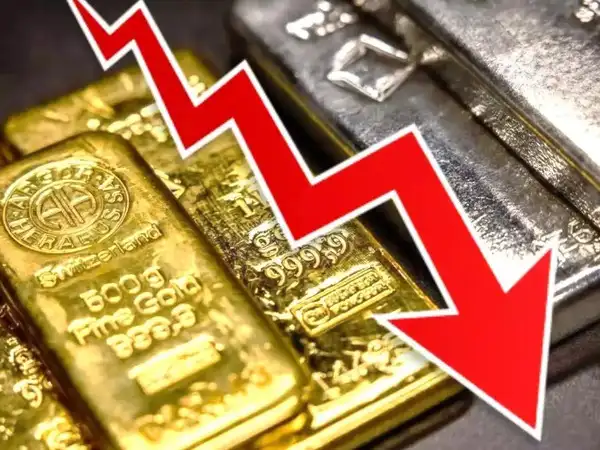
Analysts said the pressure on global gold prices reflects a natural pause following a strong upward run. Such pauses help markets reset expectations, reduce speculative excess, and restore balance between buyers and sellers without damaging long term fundamentals.
Interest Rate Expectations Influence Asset Allocation
Shifting interest rate expectations played a central role in the latest market adjustment. As government bond yields edged higher, investors reassessed the relative appeal of non yielding assets. Gold, which does not generate interest, often faces headwinds when yields rise.
Market strategists in Brussels noted that changes in yield outlook can quickly influence global gold prices, especially in environments where algorithmic trading reacts instantly to macroeconomic signals. Even incremental moves in yields can have amplified effects on short term pricing.
Currency Strength Adds to Selling Pressure
Foreign exchange movements further shaped market sentiment. A strengthening US dollar made gold more expensive for buyers using other currencies, softening international demand. Currency traders reported increased hedging activity as exchange rates fluctuated alongside commodity markets.
This dynamic continues to play a crucial role in shaping global gold prices, reinforcing the close relationship between currency trends and precious metals performance in the short term.
Economic Data Reduces Demand for Safe Havens
Recent economic releases from major economies pointed to resilience in employment and consumer activity. These signals eased fears of an imminent downturn, reducing demand for traditional safe haven assets.
As investor confidence improved, global gold prices faced additional downward pressure, reflecting a shift toward assets perceived to benefit more directly from stable growth conditions.

Technical Factors Trigger Automated Selling
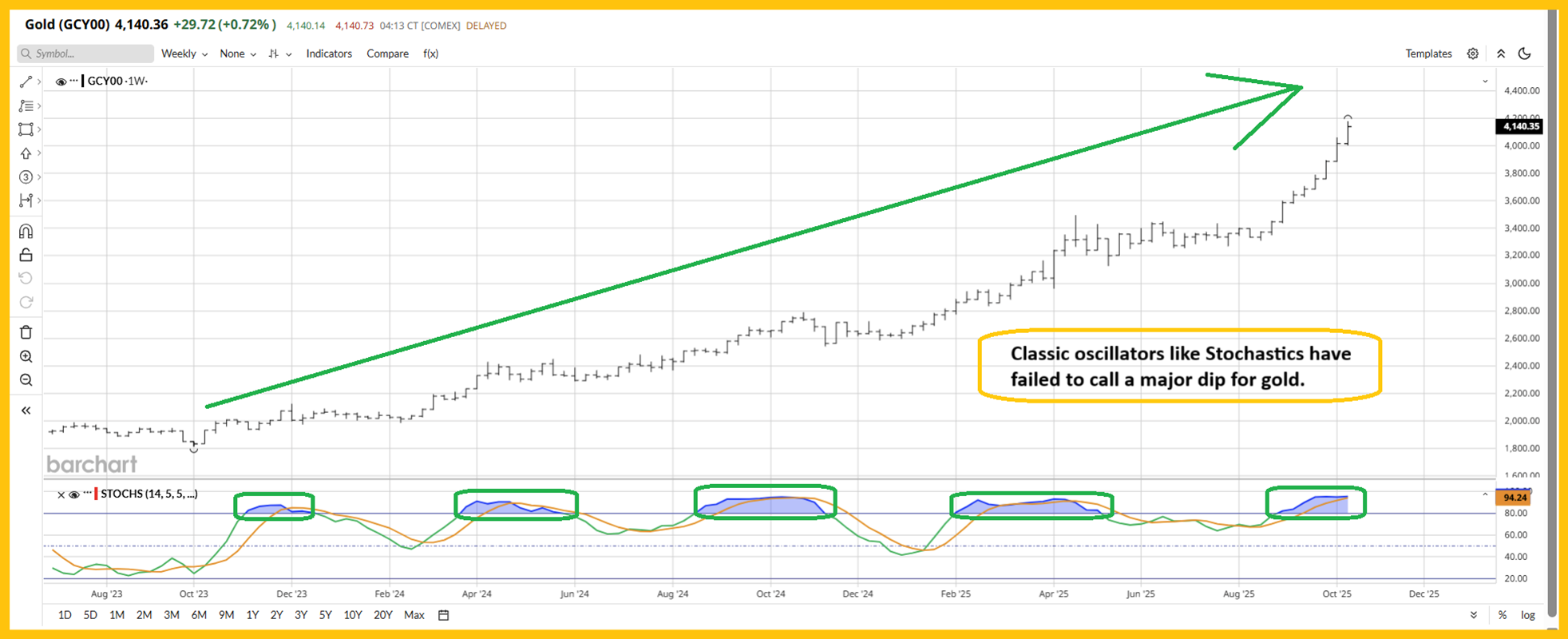
From a technical perspective, gold slipped below widely watched support levels, activating stop loss orders and automated trading systems. Once these thresholds were breached, momentum selling accelerated, contributing to the session’s decline.
Chart analysts explained that such reactions are common when global gold prices move below key levels, often resulting in brief periods of heightened volatility before markets stabilize.
Central Banks Continue to Anchor Long Term Demand
Despite short term weakness, central banks remain a stabilizing force in the gold market. Many monetary authorities have steadily increased gold reserves over recent years to diversify holdings and reduce exposure to currency risk.
This institutional demand helps underpin global gold prices during corrective phases, reinforcing confidence that long term structural support remains intact.
Retail Investors Encouraged to Maintain Discipline
Financial advisors urged retail investors to avoid emotional decision making during periods of volatility. Short term price swings can be unsettling, but disciplined strategies help manage risk effectively.
Understanding the forces driving global gold prices allows investors to focus on long term objectives rather than reacting to daily fluctuations.
European and Asian Markets Reflect Shared Sentiment
Markets across Europe mirrored the cautious tone seen in Brussels, while Asian trading sessions followed similar patterns. Trading volumes moderated as participants waited for clearer directional signals.
The synchronized response highlights how interconnected global gold prices have become, with sentiment shifting rapidly across regions in today’s integrated financial system.
Gold Within the Broader Commodities Landscape
Gold’s decline contrasted with mixed movements in other commodity sectors. Energy markets showed relative resilience, while industrial metals traded within narrow ranges. Analysts said this divergence indicates that gold’s move was driven primarily by financial positioning rather than changes in physical supply.
This distinction underscores that global gold prices are currently being shaped more by macroeconomic expectations and portfolio re-balancing than by shifts in underlying consumption.
Expert Insight on the Current Market Adjustment
One senior commodities analyst said,
“This correction reflects orderly profit taking after a strong rally and does not undermine gold’s longer term role as a hedge against uncertainty.”
The comment highlights the view that current conditions represent adjustment rather than deterioration.
Policy Signals Remain a Key Focus
Looking ahead, investors will closely monitor central bank communication for guidance on interest rate trajectories. Even subtle shifts in tone can influence market expectations and trigger rapid price adjustments.
Monetary authorities continue to balance inflation control with economic growth, a dynamic that remains central to precious metals pricing.
Inflation Concerns Still Linger
Although inflation has moderated in some regions, concerns persist around energy costs, supply chain resilience, and geopolitical risks. These factors help sustain gold’s relevance as a hedge, even during periods of price consolidation.
Market participants acknowledge that gold often regains momentum when uncertainty resurfaces, reinforcing its cyclical nature.
Strategic Portfolio Management in Volatile Times
Wealth managers recommend maintaining diversified portfolios and reassessing risk tolerance during volatile phases. Corrections can provide opportunities to review asset allocation and re-balance exposure.
Long term investors often view such periods as constructive, allowing markets to strengthen underlying structure.
A Market in Transition, Not Decline
The current environment suggests transition rather than reversal. As economic conditions evolve, markets adjust pricing to reflect new information.
Such adjustments are a normal feature of mature financial cycles and often pave the way for more sustainable trends.
A Measured Adjustment in 2026
The recent pullback represents measured profit taking amid shifting financial conditions in 2026. While short term sentiment has softened, long term drivers remain supportive. Gold continues to balance volatility with strategic value, reinforcing its importance within diversified portfolios.
Beyond Daily Price Moves: Gold’s Enduring Importance
A Defining Chapter for Gold in a Changing World
As 2026 unfolds, this period may be remembered as a defining chapter in which markets adjusted to new realities. Such adjustments often shape future trends, influencing how investors perceive risk and opportunity in the years ahead.