Tensions rose sharply as Ghazal statement unrest spread across multiple areas following a controversial public message from a prominent Alawite leader. What initially appeared to be a political appeal quickly evolved into public demonstrations, revealing deep social divisions and widespread frustration. The developments sparked concern among residents, analysts, and officials who warned that escalating rhetoric could further destabilize already fragile conditions.
Eyewitnesses described crowds gathering within hours of the statement, with people chanting slogans and demanding clarification. Security forces were placed on alert as the situation evolved, underscoring how quickly words can translate into action when grievances run deep.
Background Behind the Statement
The message that triggered the unrest was delivered at a time of heightened economic pressure and political uncertainty. Many observers noted that the timing amplified its impact, particularly among communities already feeling marginalized.
Supporters argued that the statement addressed long ignored concerns and represented a call for recognition. Critics, however, warned that such rhetoric risked provoking instability. The rapid emergence of Ghazal statement unrest demonstrated how influential voices can mobilize public response almost instantly.
Early Demonstrations Take Shape
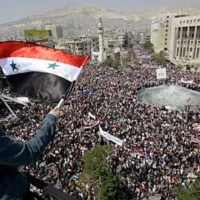
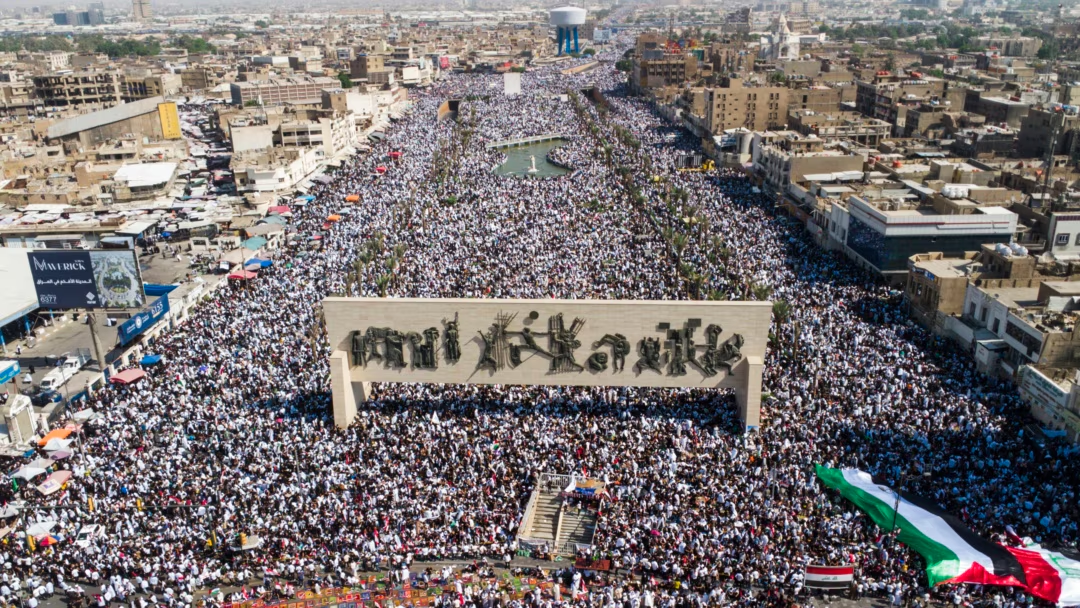
Initial demonstrations were limited in size but highly visible. Protesters gathered in central areas, holding signs and voicing demands. As images and commentary circulated online, participation increased steadily.
Within a short period, Ghazal statement unrest expanded beyond its point of origin, drawing in individuals who viewed the statement as either a rallying cry or a provocation. Authorities increased monitoring efforts to prevent clashes as crowd numbers grew.
Public Opinion Divides Sharply
Public reaction revealed stark divisions. Some community members expressed solidarity with Ghazal, praising his willingness to speak openly. Others accused him of fueling unnecessary tension at a sensitive moment.
Community leaders voiced concern that rhetoric was hardening positions rather than encouraging dialogue. Once Ghazal statement unrest moved from debate into physical demonstrations, fears of confrontation became more pronounced.
Security Forces Increase Presence
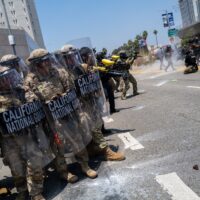
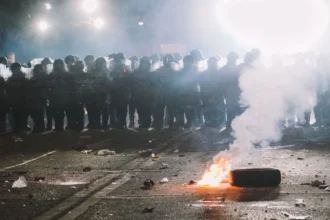
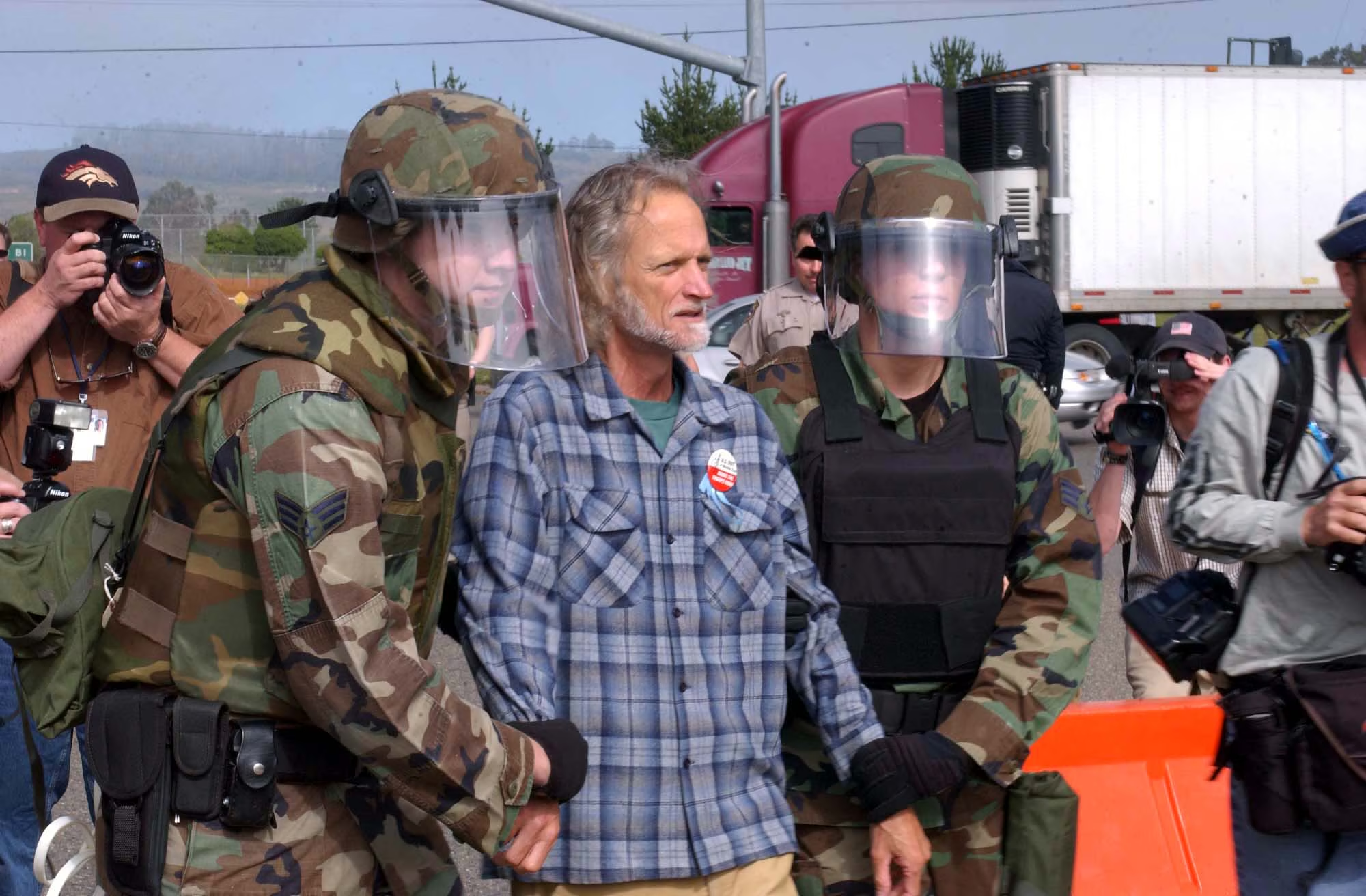
As gatherings grew, security forces deployed additional units to maintain order. Officials reiterated that peaceful protest would be tolerated but warned against violence and vandalism.
Despite precautionary measures, the spread of Ghazal statement unrest placed strain on local security resources. In several locations, mediators worked to calm crowds and prevent escalation.
Disruption to Daily Life
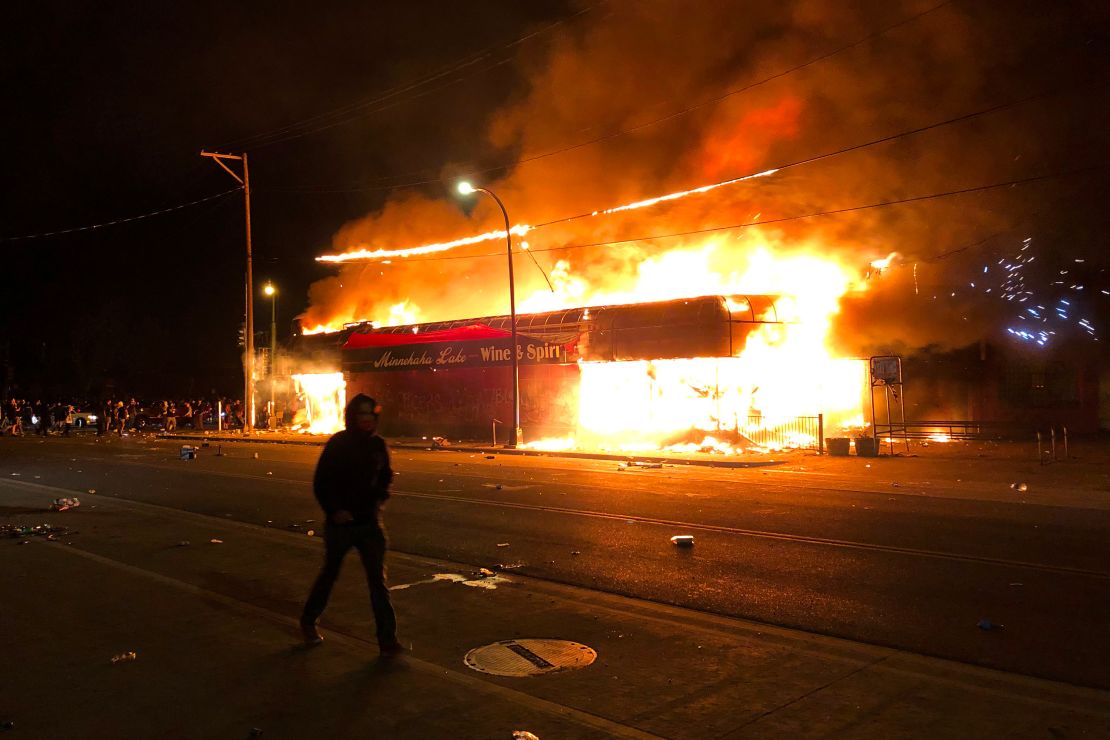
The demonstrations disrupted everyday routines. Businesses near protest areas closed early, public transportation routes were adjusted, and residents avoided crowded spaces.
Families reported heightened anxiety as protests continued into the evening. For many, Ghazal statement unrest marked a shift from political discussion to tangible disruption affecting work, education, and personal safety.
Economic Concerns Intensify
Local economies felt immediate effects. Street closures reduced commercial activity, and uncertainty discouraged consumers from visiting business districts.
Analysts warned that prolonged instability linked to Ghazal statement unrest could deepen economic challenges, particularly for small businesses already operating under financial strain.
Role of Social Media Amplification
Social media played a decisive role in spreading both the original statement and reactions to it. Videos, commentary, and live updates circulated rapidly, drawing more participants into the demonstrations.
However, misinformation also spread, complicating efforts to de-escalate tensions. Observers noted that digital amplification often accelerates situations like Ghazal statement unrest, making them harder to contain.
Official Statements and Calls for Calm
Government officials issued statements urging restraint and encouraging dialogue. Several figures called for Ghazal to clarify his position in order to reduce misunderstandings.
Despite these appeals, skepticism remained among protesters who questioned whether official responses would lead to meaningful change. The persistence of Ghazal statement unrest kept pressure on leadership to act decisively.
Political Fallout Begins to Emerge
Opposition voices seized on the unrest to criticize broader governance issues. Some argued that the protests reflected deeper dissatisfaction beyond the immediate statement.
Analysts suggested that Ghazal statement unrest could influence upcoming political discussions and alliances, reshaping how leaders communicate with their constituencies.
Historical Parallels Offer Warnings
Experts drew comparisons to past episodes where influential statements sparked widespread demonstrations. In societies under stress, symbolic messages can serve as catalysts for broader movements.
The current situation follows patterns seen previously when Ghazal statement unrest becomes a focal point for accumulated grievances.
Community Leaders Push for Dialogue
Religious figures, elders, and civil organizations urged calm, emphasizing the need for dialogue over confrontation. Many warned that continued unrest would deepen divisions and prolong instability.
Calls for negotiation grew louder as Ghazal statement unrest continued to dominate public discourse, highlighting the urgency of constructive engagement.
Emotional Toll on Residents
Beyond physical disruption, the unrest carried a heavy emotional toll. Residents described fear, exhaustion, and uncertainty about what might come next.
Mental health professionals noted that events like Ghazal statement unrest can have lasting psychological effects, particularly on children and vulnerable populations.
Media Coverage Shapes Perception
Local and regional media outlets closely followed developments, broadcasting images of protests and security deployments. Coverage influenced public perception and international attention.
As Ghazal statement unrest reached wider audiences, scrutiny increased over how authorities and community leaders were handling the crisis.
International Observers Monitor Situation
Foreign governments and international organizations watched developments closely, expressing concern over stability and the potential for escalation.
Diplomatic analysts suggested that prolonged Ghazal statement unrest could affect regional relationships and humanitarian considerations.
Challenges Facing Authorities
Authorities faced the delicate task of maintaining order while respecting the right to peaceful protest. Heavy-handed responses risked further escalation, while inaction could embolden unrest.
The management of Ghazal statement unrest became a test of institutional capacity and public trust.
Long Term Implications for Social Cohesion
If unresolved, the unrest could leave lasting scars on social cohesion. Divisions exposed during the protests may persist long after demonstrations subside.
Experts warned that failure to address issues highlighted by Ghazal statement unrest could set the stage for future instability.
Prospects for De Escalation
Some signs of de-escalation emerged as mediators engaged with protest leaders. In certain areas, demonstrations became smaller and more orderly.
Whether these efforts succeed depends largely on how grievances linked to Ghazal statement unrest are addressed in the coming weeks.
Responsibility of Public Figures
The events underscored the responsibility carried by influential figures. Words spoken publicly can mobilize communities rapidly, particularly in volatile environments.
Many commentators argued that Ghazal statement unrest should serve as a lesson in the power of rhetoric and the need for careful communication.
What Comes Next
As protests continue intermittently, attention turns to potential reforms and dialogue initiatives. Public expectations remain high, and patience is limited.
How leadership responds to Ghazal statement unrest will likely shape political engagement and public trust moving forward.
Final Outlook
The unfolding situation illustrates how quickly political messaging can ignite unrest when underlying tensions exist. Peaceful expression remains vital, but escalation carries significant costs.
As communities seek stability, the response to Ghazal statement unrest will influence social cohesion, governance, and the broader political landscape in the months ahead.