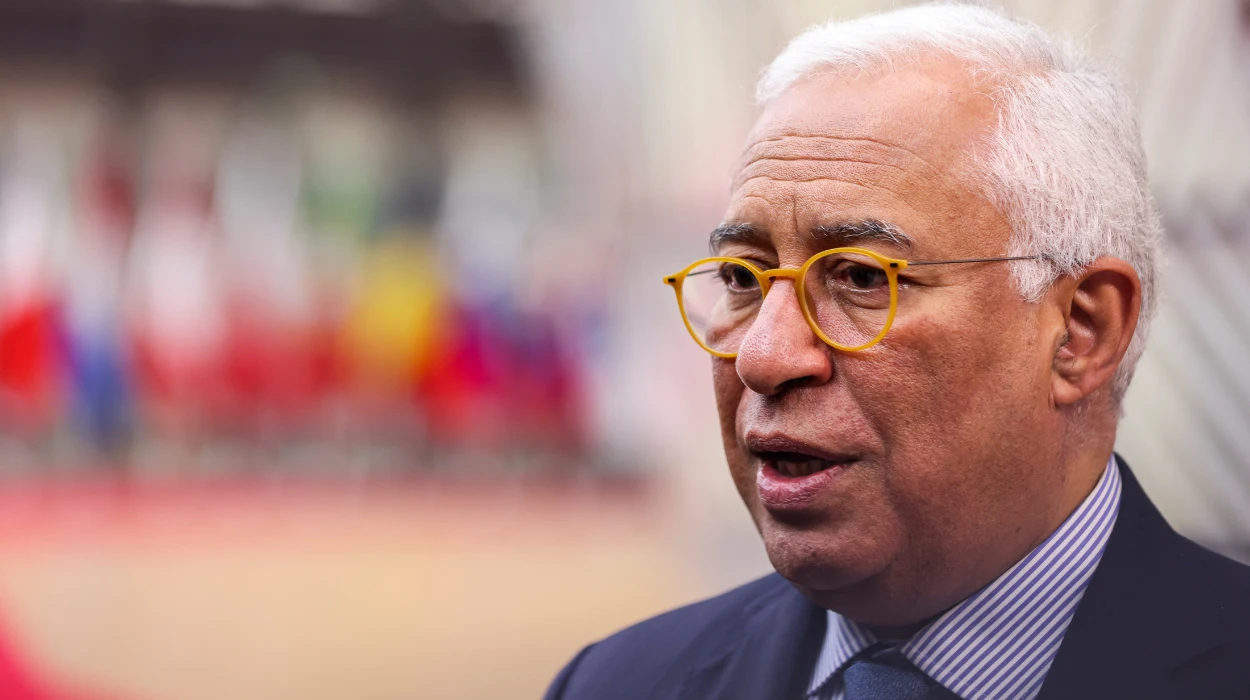
New York (Brussels Morning Newspaper) September 21, 2026 – European Council President António Costa has arrived in New York to attend the high-level week of the 81st session of the United Nations General Assembly, focusing on multilateral cooperation, international law, peace, and sustainable development. Alongside international partners, President Costa convened the Partners for Multilateralism summit and outlined the European Union’s strategic diplomatic objectives for the upcoming year.
The high-level general debate officially opened under the central theme
“Restoring trust, managing transformation: a United Nations that delivers for all”.
During the proceedings running from September 21 to September 25, 2026, European Union representatives are engaging in high-level diplomatic dialogues addressing core geopolitical and developmental concerns. President Costa is scheduled to officially address the General Assembly on behalf of the European Union on Thursday, September 24.
Partners for Multilateralism Summit Convening
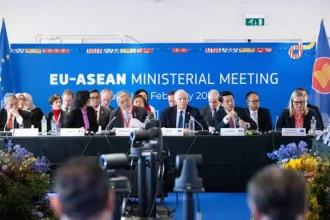
Ahead of the general debate, European Council President António Costa co-convened the
“Partners for multilateralism, international law, peace and prosperity”
summit on Monday, September 21, alongside international leaders including representatives from Canada, Kenya, Brazil, Australia, Barbados, and India. The high-level political summit was designed to gather a diverse, cross-regional coalition of nations to reinforce support for the multilateral system.
Discussions at the summit centred on strengthening international law, promoting global peace, and ensuring inclusive economic prosperity through collaborative state frameworks. Organisers structured the platform to foster high-level political debate among participating governments facing complex transnational challenges, ranging from security threats to economic instability.
Strategic Priorities for United Nations Engagement
Prior to the assembly, the Council of the European Union formally adopted its strategic priorities guiding the bloc’s engagement at the United Nations for the September 2026 to September 2027 cycle. These institutional guidelines reaffirm the European Union’s long-standing dedication to an effective, inclusive, and rules-based international architecture.
The foundational framework remains firmly rooted in the United Nations Charter and international law. Core objectives outlined within the Council document emphasize advancing sustainable development targets toward 2030 and beyond, protecting human rights, and addressing systemic global vulnerabilities through cooperative institutional mechanisms.
Bilateral Meetings and Diplomatic Side Events
In addition to formal assembly addresses and multilateral summits, President Costa’s schedule incorporates an extensive series of bilateral meetings with global leaders on the sidelines of the United Nations General Assembly. These diplomatic exchanges aim to manage regional crises, strengthen bilateral partnerships, and coordinate multilateral responses to ongoing international conflicts.
President Costa is also participating in several specialized international events during his tenure in New York. His agenda features attendance at the sixth International Crimea Platform, which focuses on regional territorial integrity and international law enforcement, alongside participation in the formal launch ceremony for the Ocean Eye international alliance.
Institutional Representation at United Nations Forums
The European Union maintains a recognized speaking status and structured participation framework at the United Nations General Assembly. Following the adoption of a formal United Nations General Assembly resolution in May 2011, the bloc is granted early speaking slots among major international groups.
External representation during the high-level week is shared between the President of the European Council and the European Union High Representative for Foreign Affairs and Security Policy. This dual representation ensures comprehensive institutional coverage across political, economic, security, and humanitarian agenda items throughout the five-day diplomatic summit.