Vilnius (Brussels Morning Newspaper) September 21, 2026 – The European Parliament has approved the allocation of €678 million in European Union funding for the nuclear decommissioning assistance programme of the Ignalina Nuclear Power Plant in Lithuania for the 2028–2034 period. This financial decision paves the way for the project’s next major stage, which involves the technologically demanding dismantling of the plant’s reactor cores. Lithuanian officials and plant operators note that this unprecedented undertaking represents a critical milestone in clearing the Soviet-era nuclear legacy.
European Parliament Funding Decision and Legislative Context
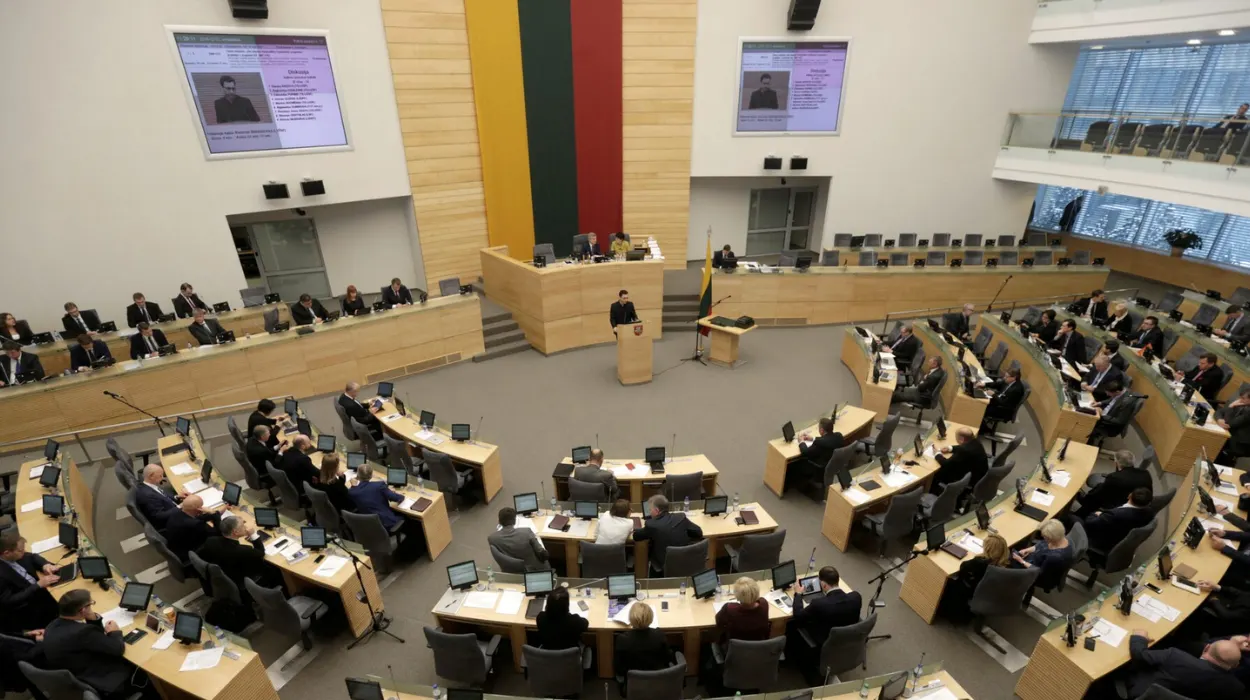
In Strasbourg, the European Parliament endorsed the European Commission’s proposal to support the ongoing nuclear decommissioning assistance programme for the Ignalina Nuclear Power Plant (Ignalina NPP). The financial package designates €678 million from the European Union budget to assist Lithuania through the 2028–2034 programming period.
The legislative instrument functions as a Council regulation, for which the European Parliament operates in a consultative capacity by issuing an official opinion. The dossier was assigned to the European Parliament’s Committee on Industry, Research and Energy (ITRE).
Lithuanian authorities emphasised that secure, long-term financial backing remains essential for meeting national and international commitments. Virginijus Sinkevičius, Member of the European Parliament and rapporteur for the Ignalina programme, noted that sustained European Union support is vital to ensure the consistent implementation of the project and to uphold Lithuania’s safety obligations.
Progress in the Current Funding Period
The newly approved funding follows the 2021–2027 allocation, during which the European Union provided €552 million to the Ignalina programme. Over this operational cycle, the state-owned operating company Altra has achieved several core milestones.
The dismantling of technological channels within the first reactor unit has reached completion. Meanwhile, following the issuance of a formal permit by the State Nuclear Power Safety Inspectorate (VATESI), preparatory and active work has commenced on the second reactor unit. Furthermore, all spent nuclear fuel has been completely removed from both reactors and transferred to a specialised interim storage facility.
Radioactive waste management initiatives have progressed in parallel with structural dismantling. A dedicated repository for very-low-level, short-lived waste has been constructed and is fully operational. Concurrently, construction works have started on a near-surface repository designed to accommodate low- and intermediate-level, short-lived radioactive waste.
The enterprise also secured the primary Ignalina NPP decommissioning licence and continued the demolition of redundant industrial structures across the site. Preparatory engineering tasks are currently underway to establish the necessary technical designs, licensing frameworks, and specialised equipment provisions required for the core dismantling phase.
Objectives for the 2028–2034 Period and Core Dismantling
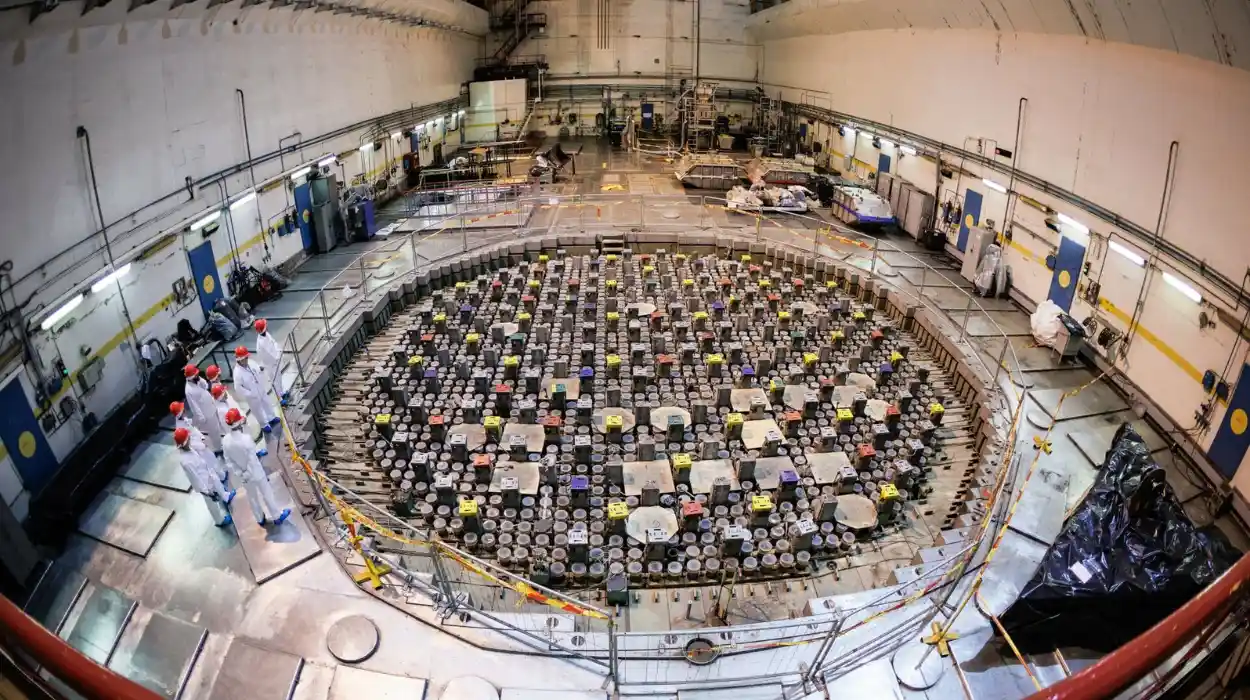
The primary objective for Altra during the 2028–2034 financial framework is to initiate the physical dismantling of the cores of both Ignalina NPP reactors. Because RBMK-1500 channel-type, graphite-moderated reactors of this scale have never been decommissioned anywhere in the world, the project lacks historical operational precedent.
Altra Chief Executive Officer Linas Baužys stated that the upcoming funding period represents a fundamental turning point for the overarching megaproject. The operational focus will transition from removing peripheral, large-scale technological equipment to dismantling the most technologically intricate components of the facility.
Achieving this milestone requires a sequence of preparatory steps, including the engineering and licensing of specialized technological solutions, the installation of custom remote-controlled equipment, and the expansion of reactor waste storage infrastructure before physical cutting and removal can begin.
To execute this phase, Altra launched an international procurement tender through the European Bank for Reconstruction and Development (EBRD) Electronic Procurement Portal. Valued at approximately €400 million, the contract encompasses the entire project cycle from design and licensing to specialized equipment supply, core dismantling, and subsequent radioactive waste management.
The reactor cores—housed in shafts measuring 21 by 21 metres in cross-section and 25 metres in depth—consist of graphite stacks, surrounding structures, and filler materials containing approximately 25,000 tonnes of material across both units. Because a significant proportion of these components constitutes long-lived radioactive waste, the operations rely heavily on specialized international nuclear expertise and stringent safety compliance.
The physical execution of the core dismantling contract is projected to span approximately 16 years from its effective date. The overarching decommissioning framework is supported primarily by the European Commission via the Ignalina International Decommissioning Support Fund administered by the EBRD, alongside national co-financing from Lithuania.