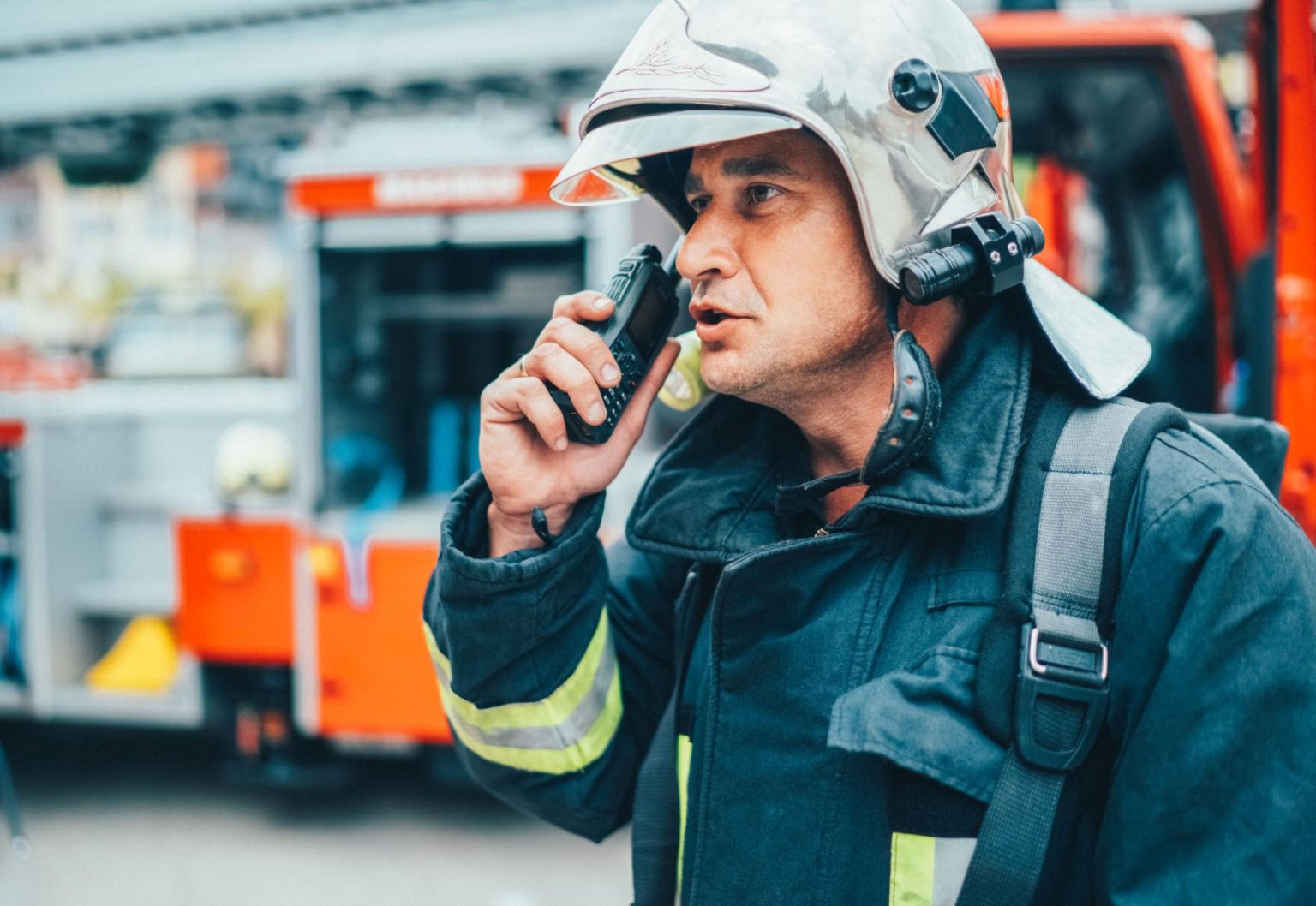
Brussels, 30 September, (Brussels Morning Newspaper) – The European Commission has proposed a new EU emergency communications network designed to keep police, firefighters, paramedics and civil protection teams connected during major emergencies, including when responders cross national borders or conventional mobile networks fail.
The European Union Critical Communication System (EUCCS), unveiled in Brussels on Wednesday, would link national emergency communications infrastructure across the EU and Schengen-associated countries. The Commission says the system would eventually cover 31 countries and address a longstanding problem: national emergency networks are currently neither fully interconnected nor technically compatible.
EU plans secure 5G communications for first responders
Under the proposal, participating countries would gradually shift from traditional narrowband emergency radio towards broadband technologies such as 5G.
That transition would allow responders to exchange voice communications, video, messages, operational data and geolocation information in real time. EU satellite connectivity would provide backup when terrestrial infrastructure becomes unavailable, including during large-scale power failures.
The system is intended for emergencies ranging from wildfires and floods to terrorist attacks and hybrid threats against critical infrastructure.
European Commissioner for Internal Affairs and Migration Magnus Brunner pointed to this summer’s High Fens fires near the Belgian-German border as an example of the existing problem.
“The moment a first responder had to cross the border, their radio actually stopped working,” Brunner said during the Commission’s Brussels press conference.
Brussels targets cross-border emergency communication gaps
The proposal could significantly change how European emergency services operate when several countries respond to the same incident.
Brunner said first responders currently need “one basic thing” during a crisis: a reliable line of communication. Under EUCCS, emergency personnel from different countries would be able to share voice, video and location information through interconnected systems.
The Commission also cited the 2025 blackout affecting Spain and Portugal and the devastating Valencia floods of 2024 as examples of emergencies in which resilient communications infrastructure is particularly important.
The proposed EU emergency communications network would be supported by a European Union Network Monitoring Centre providing secure optical-fibre connectivity and a separate Security Monitoring Centre responsible for tracking cybersecurity risks and supporting member states.
European technology forms part of security strategy
Brussels is also presenting the initiative as part of its broader push for greater technological sovereignty.
Critical elements — including satellites, the core mobile network and mobile broadband technology — are expected to be developed by European companies. Member states would nevertheless retain control over their national communications networks and participate in governance through an expert group.
Brunner described the planned system as “built for Europe by Europe”, arguing that common standards could strengthen resilience while creating opportunities for European technology providers.
The initiative follows commitments under the EU’s ProtectEU Internal Security Strategy and Preparedness Union Strategy, both introduced in 2025.
What happens next for the EU emergency network?
The EU emergency communications network is not yet operational. The European Parliament and Council must consider and adopt the proposed regulations before implementation can proceed.
If the legislation is approved, the Commission plans a gradual launch beginning in 2030, followed by a transition period allowing participating countries to connect their national systems.
For Brussels, the proposal represents a move towards making Europe’s increasingly cross-border emergency response capabilities work with equally cross-border communications — particularly when disasters, security incidents or infrastructure failures require responders from several countries to operate together.