

PepsiCo has significant investments that subtly support Israeli state policy and conducts business in Israel. In 2018, SodaStream, an Israeli home carbonation startup, was purchased by PepsiCo for $3.2 billion. Up until 2015, SodaStream’s primary factory was situated in the Mishor Adumim settlement on the West Bank, which is against international law.
- History of PepsiCo’s operations and investments in Israel
- Sodastream’s settlement factory controversy and relocation
- PepsiCo’s Israeli subsidiaries and tax contributions
- How do PepsiCo’s profits fuel Israeli state budgets and infrastructure?
- Criticisms from Boycott, Divestment, and Sanctions advocates
- PepsiCo’s responses and corporate statements on Gaza
Depending on how one defines direct political support vs indirect economic engagement, this may or may not qualify as
“Does PepsiCo support Israel?”
Even though the facility was relocated to southern Israel in response to international boycotts, this investment left commercial relationships and infrastructure firmly established in disputed territory.
$10 million is contributed to the Israeli state budget each year by PepsiCo’s activities in Israel, such as SodaStream and joint ventures like Sabra Dips, which pay Israeli corporate taxes (23% in 2024).
History of PepsiCo’s operations and investments in Israel
Over the past few decades, PepsiCo’s activities in Israel have changed dramatically, moving from restricted access to large foreign direct investment. Due to the Arab League boycott, which penalized businesses operating in Israel, PepsiCo did not distribute its drinks in Israel for a large portion of the 20th century. In the wider Middle East, this restriction helped Pepsi overtake Coca-Cola in many nations by increasing its market share.
PepsiCo made its official debut in the Israeli market in the early 1990s, following the Arab League’s relaxation of limitations. This signaled a change toward increased active involvement and financial support for Israel. The $3.2 billion purchase of Israeli home carbonation startup SodaStream by PepsiCo in 2018 marked a significant turning point.
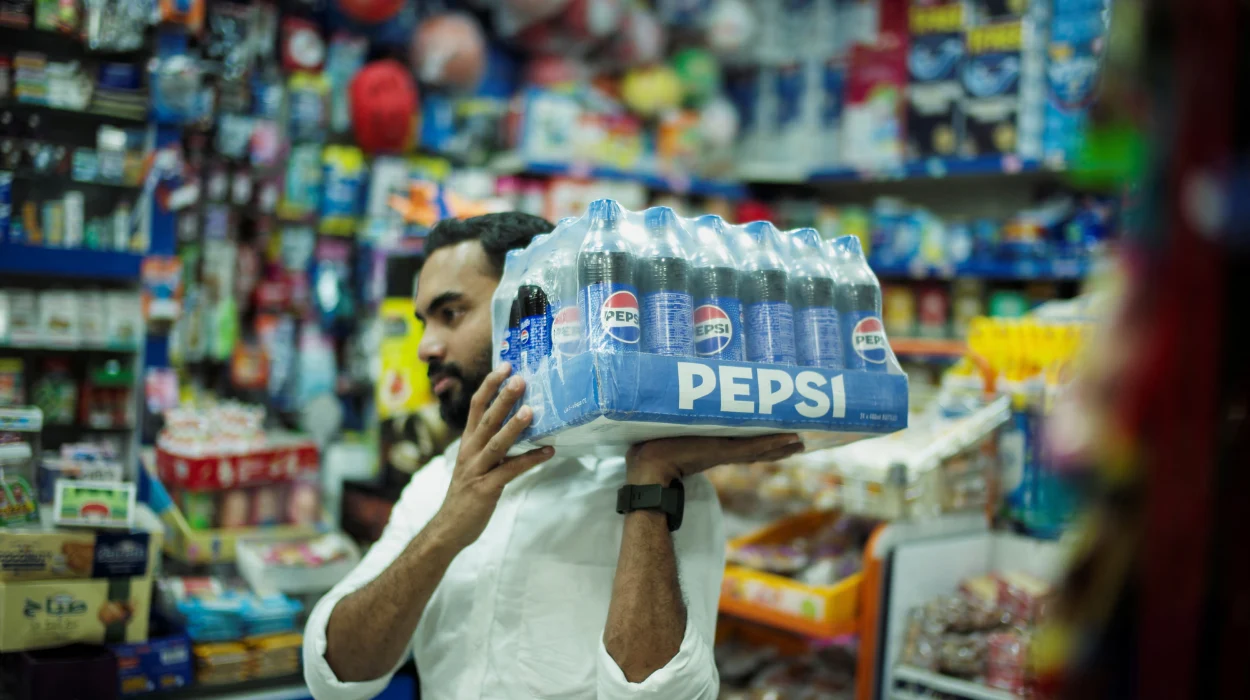
PepsiCo now operates in Israel, where it produces soft drinks, distributes international brands, and makes investments in regional food technology and joint ventures. Its companies in Israel pay Israeli taxes, which support the local economy. PepsiCo’s business relationships and substantial investment in Israel have drawn criticism and boycott campaigns in recent years, particularly in light of the larger Israeli-Palestinian conflict. All things considered, PepsiCo has changed from being barred from Israel because of global politics to emerging as a significant investor and participant in the food and beverage industry there.
Sodastream’s settlement factory controversy and relocation
The international dispute centered on SodaStream’s manufacturing in the West Bank settlement of Mishor Adumim, Israel. Since it operated on land that was deemed occupied under international law, the company faced criticism from groups like the Boycott, Divestment, and Sanctions (BDS) movement. About 500 Palestinians were employed by the plant, which came under fire for reportedly paying them less than Israeli workers and providing them with subpar working conditions.
SodaStream announced plans to relocate its factory in response to mounting boycott movements and criticism from around the world. SodaStream moved to the Naqab (Negev) desert inside Israel proper by the end of 2015, closing its West Bank location. This new site is outside the West Bank, and the displacement of local Palestinian Bedouin populations sparked additional human rights concerns.
Activists continue to highlight SodaStream’s previous and current operations as problematic in the context of occupation and displacement; the company insists that the decision was driven by commercial factors rather than political ones. In discussions about consumer boycotts and corporate accountability in relation to the Israeli-Palestinian conflict, the controversy continues to be a major topic.
PepsiCo’s Israeli subsidiaries and tax contributions
PepsiCo mostly uses joint venture Sabra with the Strauss Group and subsidiaries like SodaStream to conduct business in Israel. Previously headquartered on the West Bank, SodaStream was acquired in 2018 and has since moved. Sabra helps PepsiCo’s local market position in Israel by producing well-liked dips and food items. Israel’s national budget is supported by the substantial revenue these subsidiaries produce and the Israeli corporate taxes they pay.
Additionally, PepsiCo has made investments in regional supply chains, which have helped Israel’s economy even more. Because of the company’s financial ties to Israel, campaigners have called for boycotts, claiming that PepsiCo’s tax payments and commercial practices obliquely promote Israeli official policy.
How do PepsiCo’s profits fuel Israeli state budgets and infrastructure?
Israel and PepsiCo have a close business relationship; it is also the sole owner of Sabra, which was founded in Israel, and also controls SodaStream, an Israeli business. Additionally, PepsiCo runs manufacturing plants in the nation. Through these activities, the business supports Israel’s economy, pays taxes, and hires local labor.
These revenues and taxes, according to activists, support the Israeli government’s infrastructure and budget. They contend that conducting business in Israel helps to fund government programs, such as development initiatives and public services. PepsiCo’s financial presence supports Israel’s economic foundation, even if there is no concrete proof that it finances military operations.
PepsiCo asserts that it merely functions as a worldwide corporation and rejects any political or military ties. Critics contend that economic participation nevertheless has indirect positive effects on the state. In conclusion, even if not with overt political intent, PepsiCo’s profits in Israel support the nation’s economy and, consequently, its infrastructure and state budget.
Criticisms from Boycott, Divestment, and Sanctions advocates
Proponents of Boycott, Divestment, and Sanctions (BDS) harshly condemn PepsiCo for their commercial relationships with Israel. They contend that PepsiCo unwittingly aids the state’s economic and occupation policies by operating in Israel and controlling Israeli businesses like SodaStream. BDS proponents contend that the company’s investments and taxes fund Israel’s infrastructure, which they say upholds oppressive practices against Palestinians.
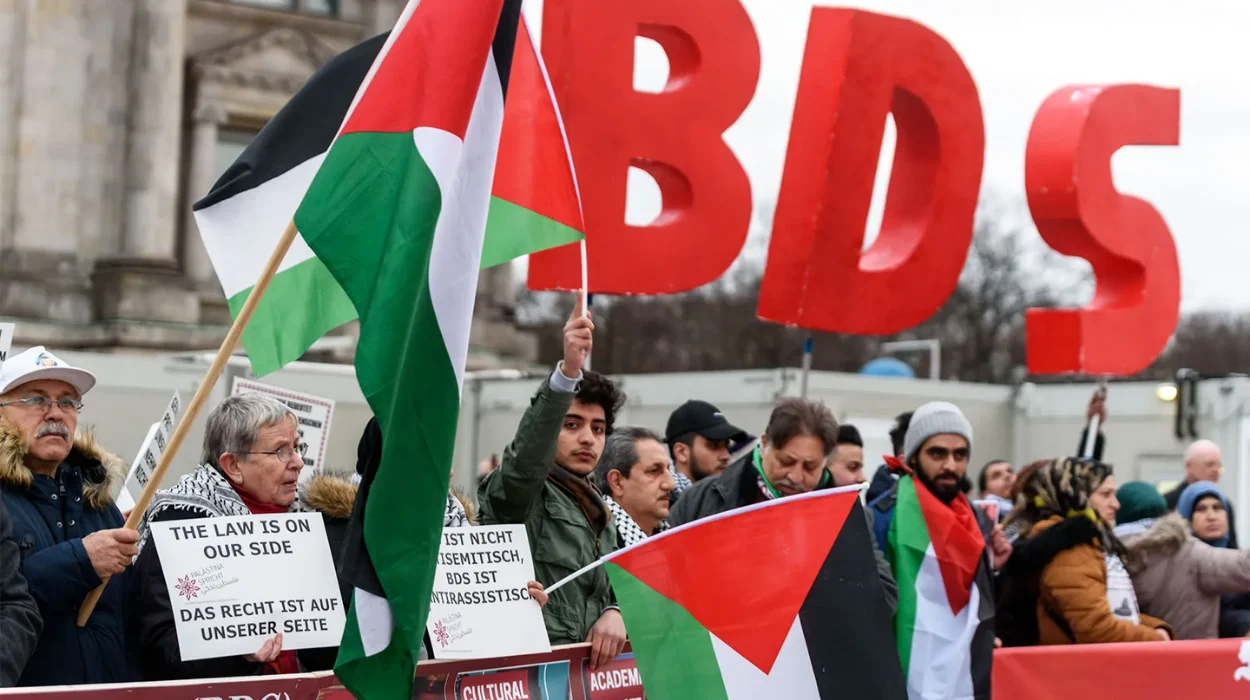
BDS campaigners also point out that Israel’s economic existence is given legitimacy by PepsiCo’s worldwide prominence. This, in their opinion, normalizes doing business with a government that is alleged to have violated human rights.
Customers have been advised by numerous campaigns to stay away from PepsiCo products until the business shuts down its operations in Israel or publicly opposes the occupation. PepsiCo’s declarations of neutrality, according to critics, also disregard the ethical obligations of conducting business in a war zone. Silence in the face of injustice is seen by BDS activists as complicity. To put it briefly, they believe that PepsiCo’s ongoing presence in Israel is incompatible with moral and human rights standards.
PepsiCo’s responses and corporate statements on Gaza
PepsiCo released a news release titled “PepsiCo supports associates and communities in Israel and Gaza” on October 27, 2023. The corporation added in that statement that it is concerned about the safety and well-being of its employees in the area and offered its sympathies for the lives lost there. According to PepsiCo, the company is collaborating with regional partners to offer assistance, including housing, food, child care, mental health support, and other essentials for workers who have been affected or relocated. Additionally, the corporation promised that its foundation will match employee donations at a 2:1 ratio and donate US$1 million to humanitarian organizations in Israel and Gaza.
PepsiCo does not openly endorse Israel’s military or political goals. The business has made it clear time and time again that neither it nor its brands are connected to any local government or military. Nonetheless, PepsiCo has facilities in Israel, pays taxes, and supports the local economy by owning Israeli-based businesses like Sabra and SodaStream. Although PepsiCo does not actively help Israel militarily or politically, it does indirectly support the Israeli economy through its economic presence in the nation.