In short, there is no verified evidence that Carl’s Jr. directly supports Israel — politically, financially, or militarily. However, its parent company, CKE Restaurants Holdings, Inc., which also owns Hardee’s, has previously announced expansion plans in Israel. These business connections have led some people online to assume an indirect link, but so far, there is no official confirmation that Carl’s Jr. itself has any business or financial presence in Israel.
What We Know
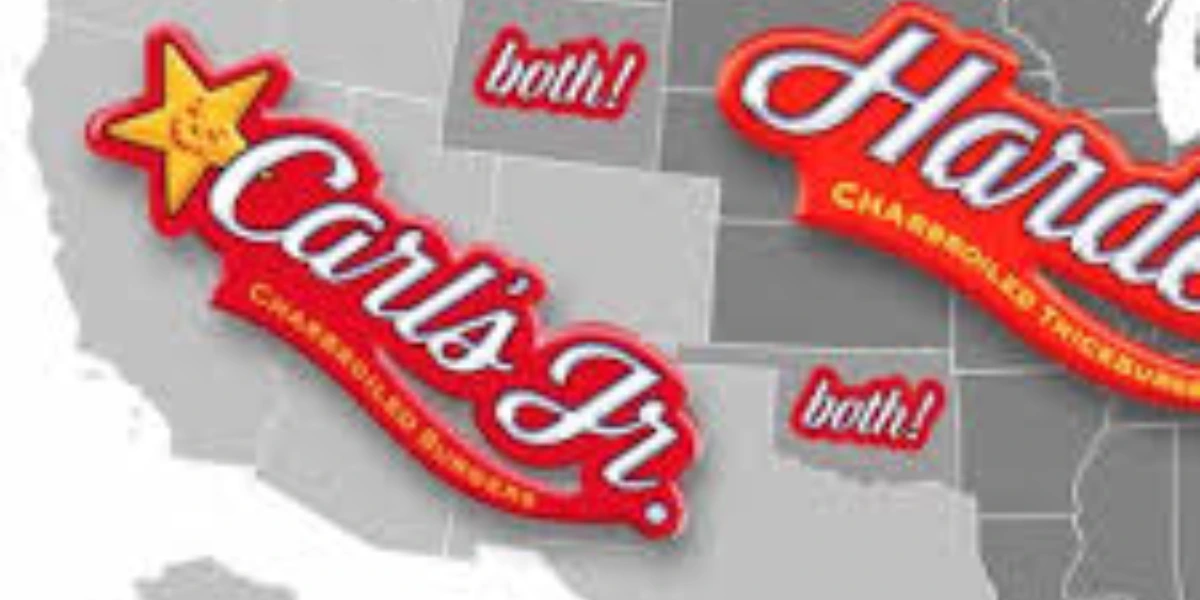
Carl’s Jr., founded in 1941 in California, is one of America’s oldest and most recognized fast-food chains. It is operated by CKE Restaurants Holdings, which also owns Hardee’s, its sister brand with similar menus and operations.
In 2021, Hardee’s reportedly signed franchise agreements to open new locations in Israel. This announcement immediately sparked public debate online. On platforms like X, several posts went viral questioning whether Carl’s Jr. might follow suit. One user commented, “If Hardee’s is opening in Israel, does that mean Carl’s Jr. is next? Or are they staying quiet for a reason?”
Despite the buzz, there’s no verified record of Carl’s Jr. operating in Israel. The brand’s official website lists no Israeli locations, and corporate statements have focused solely on menu development and international franchising, not political issues.
As economist Robert Reich once noted,
“Corporations are political actors whether they admit it or not — silence itself becomes a statement.”
What Does “Support” Mean?
Whether Carl’s Jr. supports Israel depends largely on how “support” is defined.
1. Business Presence:
If a brand operates restaurants or pays taxes in Israel, some may see that as indirect support.
2. Political or Military Involvement:
There is no evidence that Carl’s Jr. or its parent company has made donations or formed partnerships with the Israeli government or military.
3. Franchise Expansion:
Because Hardee’s has previously explored expansion into Israel, some consumers assume that Carl’s Jr. shares similar interests — even though no direct link exists.
This interpretation varies widely on social media. On Instagram, some users have tagged the company’s account in posts calling for “brand accountability.” Meanwhile, others on Reddit have pointed out that “Carl’s Jr. doesn’t operate in Israel, and linking them to the conflict is unfair.”
The Ambiguity of Business in Conflict Zones
Global corporations often face criticism when expanding into politically sensitive regions. For Carl’s Jr., whose goal is profit-driven global growth, neutrality may seem logical — yet consumers increasingly demand moral transparency.
The late Desmond Tutu once said,
“If you are neutral in situations of injustice, you have chosen the side of the oppressor.”
Still, some analysts on LinkedIn argue that expansion is rarely political, emphasizing that “companies like CKE Restaurants go where demand exists, not where ideology dictates.”
Corporate Silence and Public Interpretation
Unlike other brands that have taken visible political stances, Carl’s Jr. has remained publicly silent. This silence has created both criticism and defense from the public.
Economist Joseph Stiglitz once wrote, “Transparency is the key to restoring trust between corporations and consumers.”
His point captures why Carl’s Jr.’s silence leaves room for speculation.
Across X, threads discussing boycotts often mention Carl’s Jr. alongside other global brands. Some users demand clarity, while others remind followers that “there’s a difference between business operations and political alignment.”
Meanwhile, marketing experts on LinkedIn have debated how silence affects brand image. One viral post commented,
“In 2025, not saying anything is often seen as taking a side — silence is no longer neutral.”
The Parent Company’s Role
CKE Restaurants Holdings manages more than 3,800 restaurants across 44 countries under the Carl’s Jr. and Hardee’s brands. The company operates primarily on a franchise model, allowing independent owners to manage daily operations.
Hardee’s initial plans to enter the Israeli market were part of a wider Middle Eastern growth strategy. However, there have been no updates or confirmations about these branches actually opening.
This franchise system means that even if a Hardee’s outlet were to open in Israel, Carl’s Jr. corporate offices in the U.S. would have no direct financial or managerial involvement.
Business ethics scholar John E. Katsos once said,
“Companies in conflict zones are judged not just by what they do, but by where they choose to do it.”
His observation explains why many people associate Carl’s Jr. with this issue, despite no direct activity.
Public Reaction and Online Movements
Social media plays a massive role in shaping public narratives. On Reddit, threads like “Is Carl’s Jr. on the boycott list?” continue to attract discussion. Some users argue that even shared ownership with Hardee’s is reason enough for concern. Others call it misinformation.
On Instagram, activist accounts have tagged Carl’s Jr. under posts advocating for corporate ethics. One viral caption read, “Every burger has a price — and it’s not just on the menu.”
Conversely, food enthusiasts on X often wrote against the chain. One post from a user suggests that sentiment reflects a growing group of consumers who prefer to separate brand loyalty from political discourse.
This divide — between activism and apathy — highlights how modern consumers use social media not only to eat but to evaluate corporate morality.
Ethical Consumerism and Brand Responsibility
The rise of ethical consumerism has reshaped how customers engage with brands. Today’s consumers increasingly expect companies to stand for something — and silence can feel like avoidance.
A trending post on Facebook captured this perfectly: “Neutrality may feel safe for corporations, but to modern consumers, it looks like indifference.”
This new mindset means that even without making any political statement, Carl’s Jr. remains part of the broader conversation about corporate accountability.
As Nelson Mandela once said,
“Business, like all human institutions, has a responsibility beyond profit.”
This quote resonates strongly in the current climate, where neutrality is often equated with consent.
Global Brand, Local Perception
In conclusion, there is no verified evidence that Carl’s Jr. supports Israel politically or financially. The brand has not made any official statements, nor does it operate in the region. Most of the association comes from Hardee’s earlier expansion plans, which share the same corporate parent.
While Carl’s Jr. remains neutral, online discussions continue to shape how people perceive that neutrality. In a digital era where silence can speak louder than words, even a brand focused solely on burgers can find itself in the middle of a political debate.
Frequently Asked Questions
1. Does Carl’s Jr. operate in Israel?
No, there are currently no verified or official Carl’s Jr. locations in Israel.
2. Is Hardee’s in Israel?
Hardee’s announced expansion plans in 2021, but there is no confirmation that those outlets ever opened.
3. Has Carl’s Jr. made any political statements about Israel or Palestine?
No, the company has not made any public statements related to the conflict.
4. Who owns Carl’s Jr.?
Carl’s Jr. is owned by CKE Restaurants Holdings, Inc., which also operates Hardee’s.
5. Why do people associate Carl’s Jr. with Israel?
Because Hardee’s, its sister brand under the same parent company, once planned to open locations in Israel.
Dear reader,
Opinions expressed in the op-ed section are solely those of the individual author and do not represent the official stance of our newspaper. We believe in providing a platform for a wide range of voices and perspectives, even those that may challenge or differ from our own. We remain committed to providing our readers with high-quality, fair, and balanced journalism. Thank you for your continued support.