Maaseik (Brussels Morning Newspaper) January 14, 2026 – Civil Protection teams conducted training exercises for rescue operations during simulated floods on the Maas River in Maaseik. The drills involved multiple emergency services practising responses to high-water scenarios. Participants focused on evacuation procedures, equipment deployment, and coordination protocols.
- Objectives and Scope of Maaseik Flood Training Exercises
- Participating Organisations and Personnel Involved
- Specific Techniques Practised During the Drills
- Equipment Deployed in Maaseik Maas River Training
- Local Context and Historical Flood Risks on the Maas
- Coordination with Dutch Counterparts Across the Border
- Safety Measures and Evaluation Procedures Applied
- Integration with Broader National Flood Preparedness Strategy
Civil Protection organised comprehensive flood rescue training along the Maas River in Maaseik, Limburg province. Emergency responders simulated operations under flood conditions typical of the Meuse River basin. The exercises took place on a section of the river prone to seasonal overflows.
Multiple agencies participated in the coordinated drills. Fire brigades, medical units, and local authorities joined Civil Protection teams. Training scenarios replicated real flood threats observed in previous years.
Objectives and Scope of Maaseik Flood Training Exercises
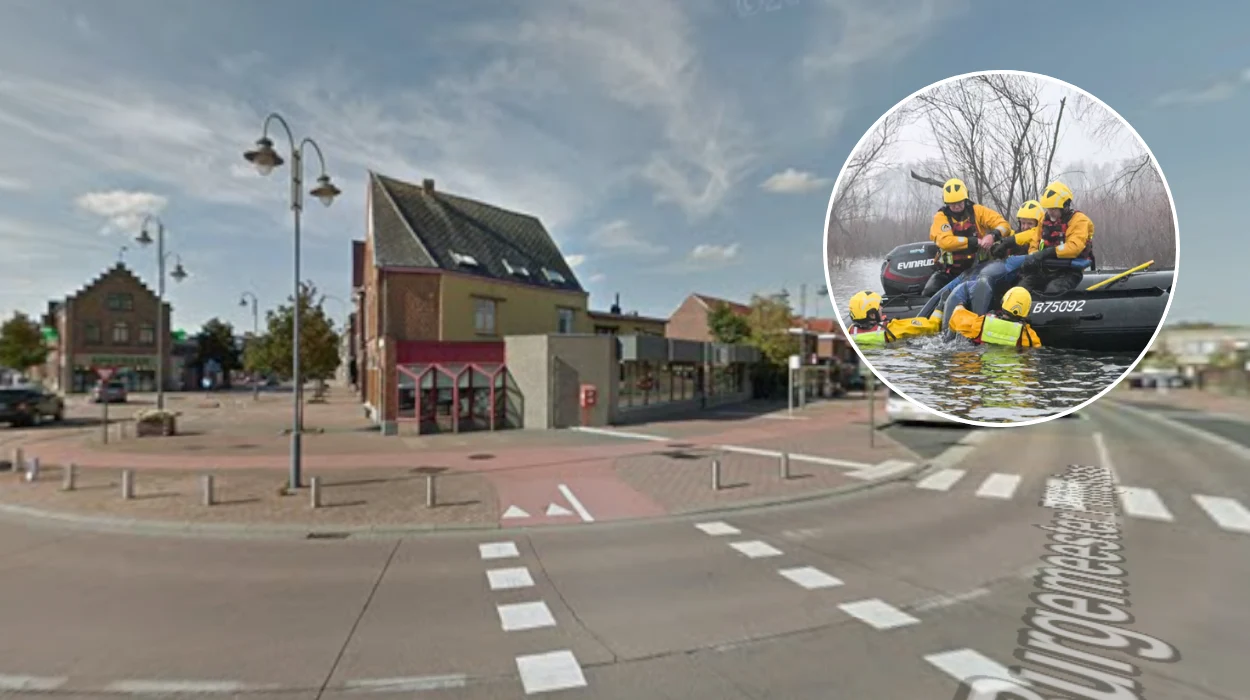
Civil Protection designed the Maaseik exercises to enhance readiness for Maas River flooding. Participants practised rapid deployment of inflatable boats and rescue ropes. Drills included victim extraction from vehicles and buildings surrounded by rising water.
Training covered communication protocols between ground teams and command centres. Responders tested high-water vehicles and portable pumps. Sessions ran throughout the day, progressing from individual skills to full-team simulations.
Maaseik’s location along the Maas makes it a strategic site for such operations. The river’s meanders create flood-prone areas during heavy rainfall. Exercises addressed both daytime and low-visibility conditions.
Participating Organisations and Personnel Involved
Civil Protection led the initiative with teams from Limburg province. Maaseik Fire Department provided specialist water rescue units. Federal Police contributed traffic control and perimeter security personnel.
Medical services from North Limburg Hospital dispatched ambulance crews. Red Cross volunteers assisted with first aid stations. Local council supplied logistical support including temporary bridges.
Approximately 80 responders took part across two shifts. Instructors from Civil Protection’s national training centre oversaw evaluations. Guest observers from Dutch authorities attended due to cross-border river management.
Specific Techniques Practised During the Drills

Teams executed swift-water rescue techniques using throw bags and helicopter winch simulations. Rescuers donned immersion suits for cold-water operations. Drills featured rope systems spanning flooded sections of the Maas.
Participants constructed temporary dams with sandbags and cofferdams. Pump operations removed water from mock inundated areas. Evacuation sledges transported simulated casualties across currents.
Night exercises employed floodlights and thermal imaging. Communication tests used waterproof radios and satellite phones. Decontamination procedures followed chemical spill scenarios combined with flooding.
Equipment Deployed in Maaseik Maas River Training
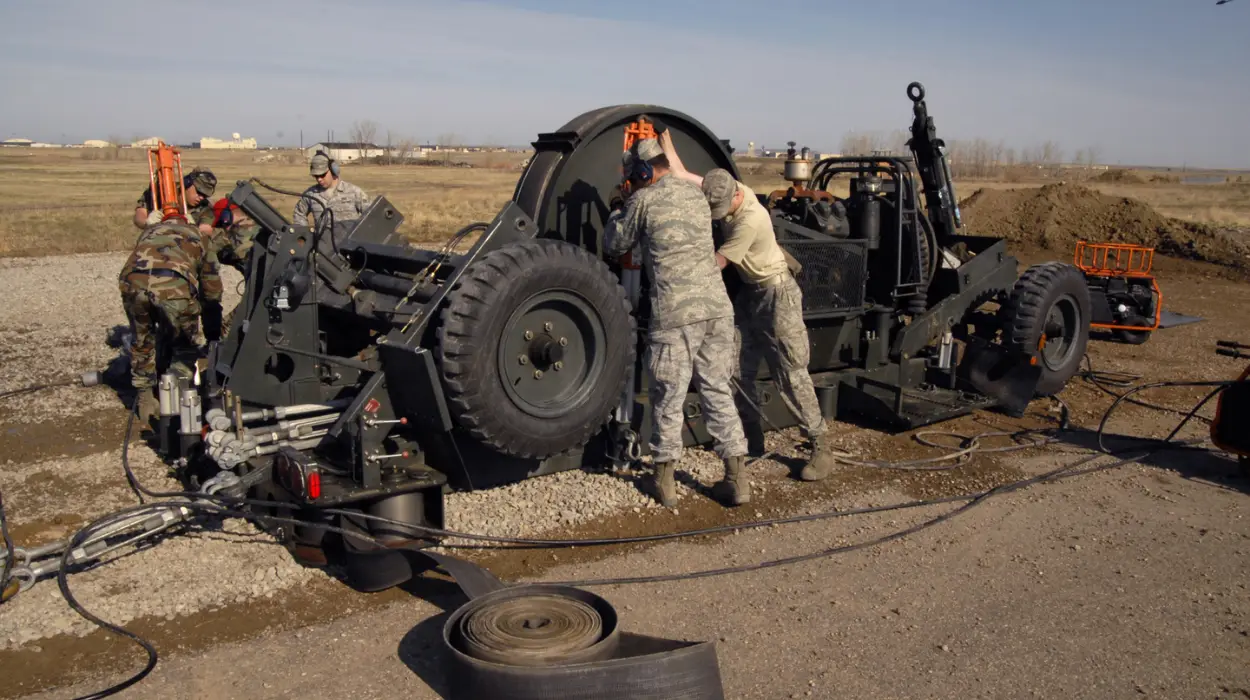
Civil Protection deployed rigid-hull inflatable boats rated for class III rapids. Zodiac craft carried six rescuers with outboard motors. Lightweight kayaks supported shallow-water access missions.
High-capacity petrol pumps discharged 10,000 litres per minute. Portable generators powered lighting and communication arrays. Drones provided aerial flood mapping and thermal victim location.
Personal flotation devices included quick-release harnesses. Rescue stretchers featured waterproof casings and hoist slings. Thermal protective clothing protected against hypothermia risks.
Local Context and Historical Flood Risks on the Maas

Maaseik experienced significant Maas flooding in 1993 and 1995. Water levels reached 8.5 metres above normal, submerging quaysides and low-lying districts. 2021 floods affected upstream areas in Vesdre Valley.
The municipality maintains permanent flood barriers along riverbanks. Early warning systems monitor water gauges at Borgharen and Maaseik stations. Dutch-Belgian agreements coordinate transboundary flood defence.
Local residents observed exercises from elevated vantage points. Authorities distributed flood preparedness leaflets during training. Schools incorporated drill footage into emergency education programmes.
Coordination with Dutch Counterparts Across the Border
Maaseik training aligned with Dutch national flood exercise programme. Waterschap Limburg participated from neighbouring territory. Joint tabletop exercises preceded field operations.
Binational protocols govern Maas River flood response. Shared weather radar data informs activation thresholds. Cross-border rescue teams hold annual compatibility drills.
Netherlands’ Veiligheidsregio Limburg-Noord sent liaison officers. Exchange focused on differing equipment standards and command structures. Lessons identified for 2026 joint exercise calendar.
Safety Measures and Evaluation Procedures Applied
Civil Protection enforced strict safety protocols throughout exercises. Rescue swimmers maintained constant buddy system checks. Support divers stood ready for underwater emergencies.
Medical teams stationed advanced life support units at Riverside. Helicopter extraction teams remained on 15-minute standby. Weather monitoring suspended operations during high winds.
Debriefing sessions followed each scenario rotation. Instructors scored teams on time metrics and procedural compliance. Video recordings enabled after-action reviews and skill gap identification.
Integration with Broader National Flood Preparedness Strategy
Maaseik exercises form part of Civil Protection’s 2026 flood readiness campaign. Similar drills occurred at Yser River in West Flanders last month. National command centre integrates regional training outcomes.
Federal Public Service Home Affairs allocated €2.5 million for water rescue upgrades. New procurement includes 12 additional swift-water vehicles. Training budget expanded following 2021 Ahr Valley flood evaluations.
Civil Protection plans quarterly refreshers through November. Provincial governors certify team readiness annually. Public information campaigns accompany operational improvements.