Brussels (Brussels Morning Newspaper) January 14, 2026 – European Parliament members urged a freeze on approving the EU-US trade deal. Lawmakers cited President Donald Trump’s renewed threats to purchase Greenland as justification. They warned that advancing the agreement would reward aggressive US postures.
- Origins of the EU-US Trade Deal Negotiations
- Trump’s Renewed Greenland Purchase Remarks
- European Parliament’s Specific Demands and Rationale
- Reactions from EU Institutions and Member States
- Context of the Trump Administration’s Foreign Policy Stance
- Previous EU-US Trade Efforts and Failures
- Implications for Transatlantic Trade Relations
- Broader Geopolitical Context Involving Greenland
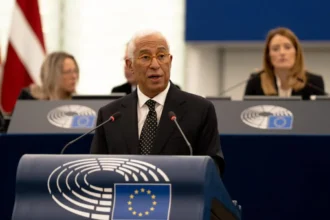
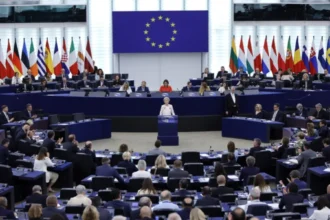
Members of the European Parliament called for halting the approval processes of the prospective EU-US trade agreement. The demand followed President Trump’s recent statements reiterating interest in acquiring Greenland from Denmark. MEPs argued that proceeding with trade talks undermines European sovereignty.
The resolution emerged from a parliamentary debate on transatlantic relations. Lawmakers across committees expressed concerns over US foreign policy directions. Trump’s remarks, made during a January 2026 interview, referenced strategic military interests in the Arctic territory.
Origins of the EU-US Trade Deal Negotiations
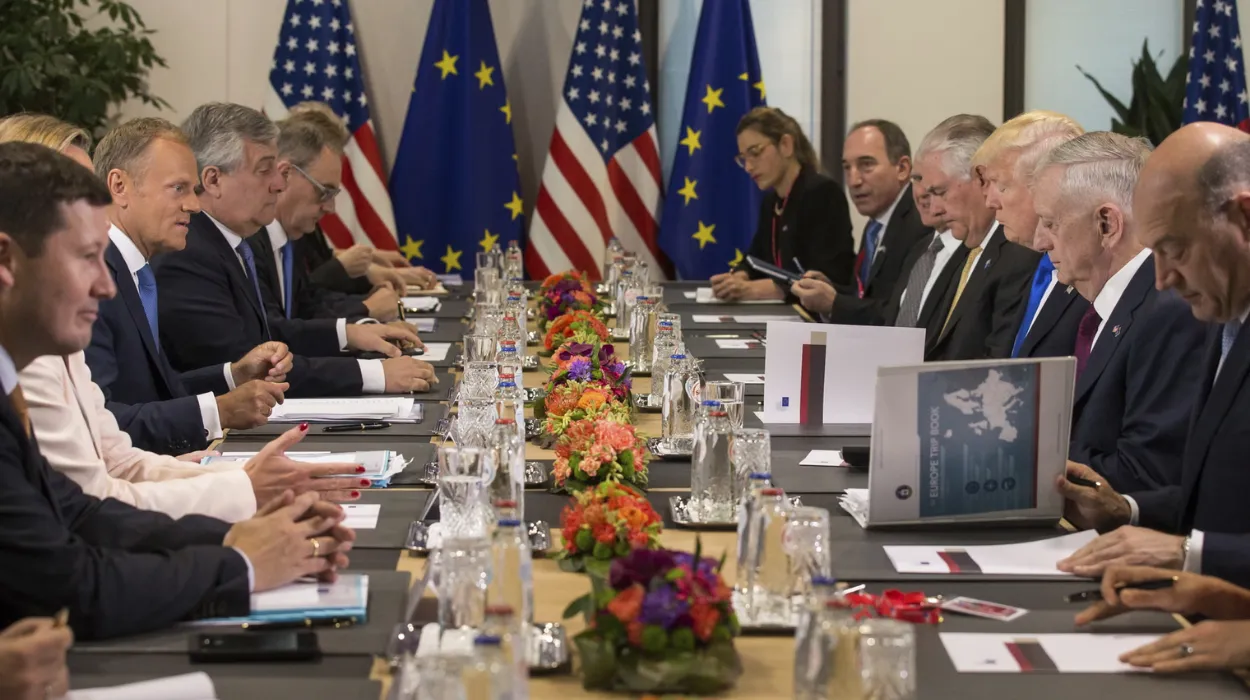
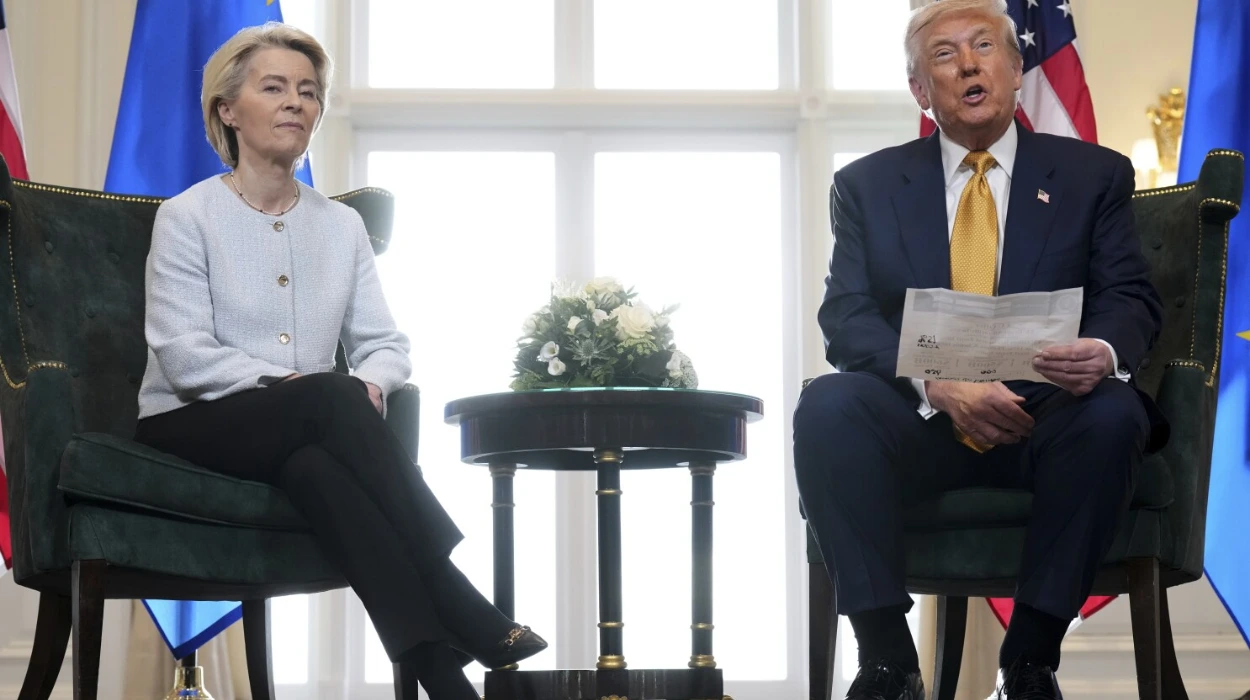
Negotiations for an EU-US trade deal commenced in late 2025 following President Trump’s reelection. The agreement aims to reduce tariffs on industrial goods and enhance market access. European Commission Executive Vice-President Valdis Dombrovskis led initial rounds in Washington.
Trump administration officials prioritised reciprocal trade terms. US Trade Representative Katherine Tai outlined demands for agricultural market openings. EU negotiators countered with protections for geographical indications and food standards.
Provisional outlines emerged by December 2025. The deal excludes sensitive sectors like audiovisual services. European Parliament consent remains required for final ratification.
Trump’s Renewed Greenland Purchase Remarks
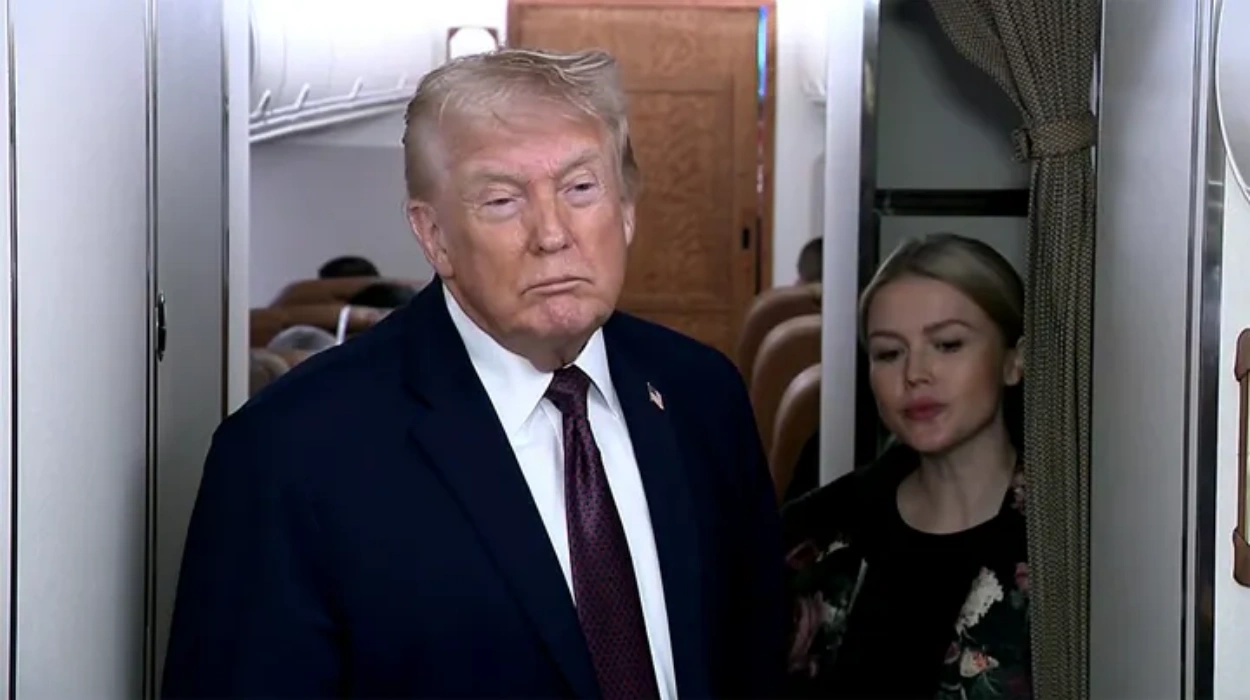
President Trump reiterated interest in purchasing Greenland during a Fox News interview on January 12, 2026. He described the territory as vital for US national security due to rare earth minerals and its strategic location. Trump referenced Arctic military positioning against Russia and China.
The comments echoed his 2019 proposal during his first term. Danish Prime Minister Mette Frederiksen rejected the idea outright in 2019, calling it absurd. Greenland’s autonomous government reaffirmed its non-sale status in response to 2026 remarks.
White House Press Secretary Karoline Leavitt clarified that no formal purchase plans exist. Trump framed the discussion as negotiating leverage for defence cooperation.
European Parliament’s Specific Demands and Rationale
MEPs adopted a non-binding resolution on January 13, 2026, by 412 votes to 187. The text calls for suspending trade deal approval until the US policy shifts. Rapporteur Bernd Lange (S&D, Germany) stated rewards should not follow territorial threats.
Lawmakers highlighted Greenland’s status under Danish sovereignty within the Kingdom of Denmark. The resolution links trade progress to respect for EU neighbourhood stability. Renewed Group leader François-Xavier Bellamy warned of broader implications for NATO dynamics.
Parliament committees on international trade and foreign affairs co-signed the motion. Greens/EFA and Left groups pushed strongest language on sanctions.
Reactions from EU Institutions and Member States
European Commission President Ursula von der Leyen acknowledged parliamentary concerns. Spokesman Eric Mamer noted ongoing monitoring of US statements. Commission remains committed to balanced trade outcomes.
Council of the EU foreign ministers discussed transatlantic ties on January 14. Belgian Foreign Minister Hadja Lahbib called for a unified response. Nordic states Denmark and Sweden expressed particular vigilance over Arctic issues.
French President Emmanuel Macron tweeted support for parliamentary stance. German Chancellor Olaf Scholz urged dialogue through established channels.
Context of the Trump Administration’s Foreign Policy Stance
Since January 2025 inauguration, President Trump pursued America First policies. Administration withdrew from Paris climate accord supplementary funds. Trade tariffs on Chinese goods increased to 60 per cent.
Trump nominated Greenland purchase advocate Robert O’Brien for national security roles. Arctic strategy document emphasises US bases expansion. Pentagon reports highlight Russian militarisation of the region.
Denmark receives US defence guarantees under NATO. Thule Air Base hosts American missile warning systems. Greenlandic Premier Múte Egede prioritises economic development over geopolitical sales.
Previous EU-US Trade Efforts and Failures
TTIP negotiations collapsed in 2016 amid public opposition. Concerns centred on investor-state dispute settlement and regulatory harmonisation. Michel Barnier led EU team through 15 rounds.
Post-Brexit, EU-UK Trade and Cooperation Agreement set precedents. CETA with Canada faced Walloon regional vetoes. USMCA replaced NAFTA under Trump first term.
Current EU-US talks target limited scope. Digital services taxes remain flashpoints. Boeing-Airbus truce holds through 2026.
Implications for Transatlantic Trade Relations
EU exports to the US reached €531 billion in 2025. Machinery, pharmaceuticals and vehicles dominate. US agricultural exports face hormone-treated meat bans.
Parliament resolution carries moral weight absent binding power. Commission negotiates mandates independently. Ratification requires a qualified majority in the Council plus a majority.
Lawmakers scheduled the February plenary for a trade deal progress report. Trade Committee hearings planned with US ambassador. Monitoring spans the 2026 legislative calendar.
Broader Geopolitical Context Involving Greenland
Greenland spans 2.1 million square kilometres with 56,000 residents. Inuit majority governs domestically under Danish Realm. Independence referendum scheduled for 2028.
Rare earth deposits attract global mining interest. China holds processing dominance. US Geological Survey estimates significant untapped reserves. NATO summits addressed Arctic security repeatedly. Biden-era initiatives yielded to Trump priorities. Denmark invests €1.5 billion in infrastructure defence.