Veurne (Brussels Morning Newspaper) January 12, 2026 – The Federal Agency for the Safety of the Food Chain (FASFC) confirmed highly pathogenic avian influenza at two poultry farms in Veurne. Protection zones merge into a single 10-kilometre zone around Veurne-Alveringem to contain the H5N1 strain. Culling, transport bans, and biosecurity measures extend across West Flanders poultry operations.
- Outbreak Details and Immediate Culling Actions
- Specifications of Merged 10-Kilometre Protection Zone
- FASFC Containment Strategy and Tracing Efforts
- Broader European Avian Influenza Situation
- Wild Bird Surveillance and Environmental Factors
- Sector Impacts and Supply Chain Adjustments
- Support Measures for Affected Producers
FASFC laboratory confirmation followed routine sampling at the affected holdings. One site houses 40,000 laying hens; the second 25,000 broilers, totalling over 65,000 birds culled humanely. Surveillance covers 22 nearby farms within 3 kilometres, with movement restrictions enforced immediately.
Outbreak Details and Immediate Culling Actions
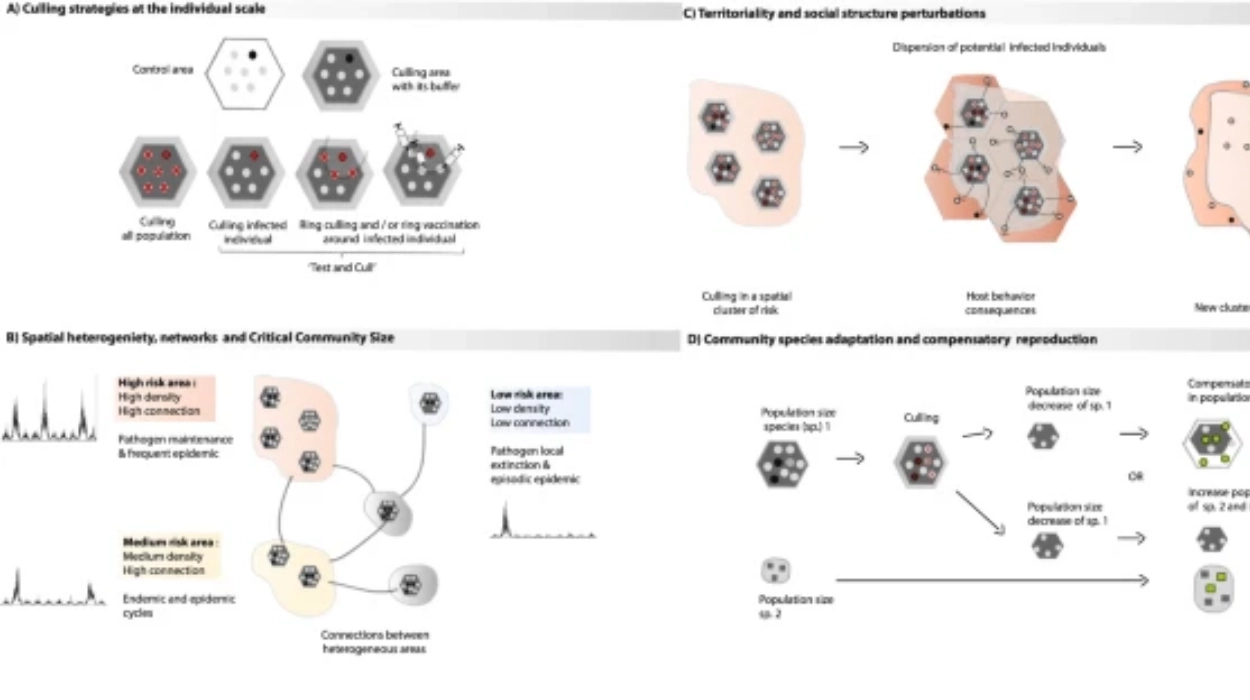
The layer farm reported increased mortality, prompting FASFC investigation. Virological tests verified HPAI H5N1, triggering mandatory depopulation within 24 hours. The broiler facility showed similar clinical signs, confirming the same subtype.
Veterinary teams oversee carcass disposal via approved incineration or burial methods. Premises undergo cleansing with disinfectants targeting avian influenza viruses. Restocking prohibition lasts three months post-disinfection verification.
No links to human health emerge, aligning with prior Belgian cases. Tracing identifies feed suppliers, personnel movements, and equipment sharing for contact investigations.
Specifications of Merged 10-Kilometre Protection Zone
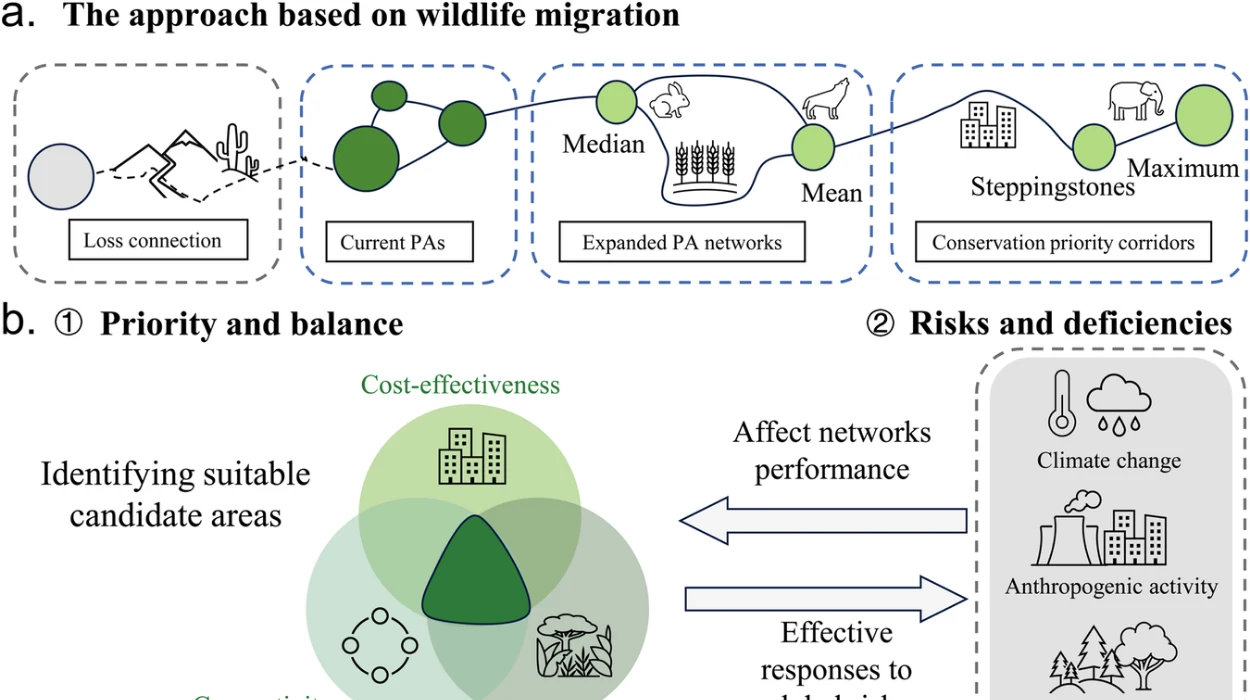
The unified zone encompasses Veurne, Alveringem, and De Panne municipalities, active for at least 21 days. A three-kilometre intensive surveillance radius applies around each index case. Poultry, eggs, manure, and litter transport halts without agency permits.
Farmers house birds indoors, install wild bird netting, and implement footbaths. Daily mortality reporting becomes mandatory. Egg collection stations reject zoned deliveries, redirecting to unaffected processors.
| Zone Component | Geographical Scope | Duration | Restrictions Applied |
| Protection Zone | 10 km radius | 21+ days | Full poultry movement ban |
| Surveillance Zone | 3 km radius | 21 days | Mandatory sampling |
| Buffer Area | 1 km radius | Variable | Enhanced biosecurity |
FASFC Containment Strategy and Tracing Efforts

FASFC deploys mobile teams for rapid response, prioritising large commercial units. Compensation payments are calculated at market rates pre-outbreak, disbursed post-audit. Biosecurity audits target all West Flanders holdings, emphasising vector control.
Fifteen potential contact farms receive pre-emptive standstills. EU Regulation 2020/687 guides zoning protocols. Vaccination remains unavailable under current directives.
Regional context shows eight West Flanders outbreaks since October 2025, contributing to Belgium’s total of 25 cases and 2.5 million culled birds.
Disease surveillance organisation FluTrackers.com @FluTrackers said in X post,
“UK gov: HPAI in a commercial flock of poultry at a premises near Penicuick, Scottish Borders, Scotland & #H5N1 was confirmed in a small backyard flock of other captive birds near Grassington, North Yorkshire, Yorkshire.”
UK gov: HPAI in a commercial flock of poultry at a premises near Penicuick, Scottish Borders, Scotland & #H5N1 was confirmed in a small backyard flock of other captive birds near Grassington, North Yorkshire, Yorkshire. https://t.co/68aYk4zht9 h/t Pathfinder
— FluTrackers.com (@FluTrackers) January 12, 2026
Broader European Avian Influenza Situation
The Netherlands reports 12 cases; France reports 18 in Q4 2025. EFSA monitoring attributes persistence to wild waterfowl reservoirs. Belgium’s early warning systems facilitate rapid containment. National egg supplies stabilise through imports from northern EU regions. Wholesale prices increase 8% amid processing disruptions.
Wild Bird Surveillance and Environmental Factors
INBO and Natuurpunt sample coastal wetlands, confirming H5N1 in 45 gulls and ducks since November. The Ijzer river valley sees intensive wild bird testing. Public reporting hotlines facilitate carcass collection for diagnostics. The ADIS platform enables real-time EU data sharing among member states.
Sector Impacts and Supply Chain Adjustments
Packing stations divert clean eggs from Wallonia and Limburg. Retailers report stable shelf stocks. Export certifications are suspended for affected compartments until zone revocation. FASFC confirms cooking eliminates public health risks from compliant products.
Citizen observer tern @1goodtern said in X post,
“Just one of the factory farm operations here has over a million hens laying eggs. Avian flu detected… all birds culled. Four other detections, and protection and surveillance zones in place. The pace of this wave has slowed, but it’s still hitting hard.”
Just one of the factory farm operations here has over a million hens laying eggs.
Avian flu detected… all birds culled.
Four other detections, and protection and surveillance zones in place.
The pace of this wave has slowed, but it’s still hitting hard. pic.twitter.com/GrzaOlqAjo
— tern (@1goodtern) January 12, 2026
Support Measures for Affected Producers
Flemish authorities allocate €2 million for biosecurity retrofits. Mental health resources are available for farmers. Industry associations supply protective gear and protocols. Historical 2021 outbreaks culled 4 million birds across 140 sites. Current response demonstrates improved tracing efficiency.