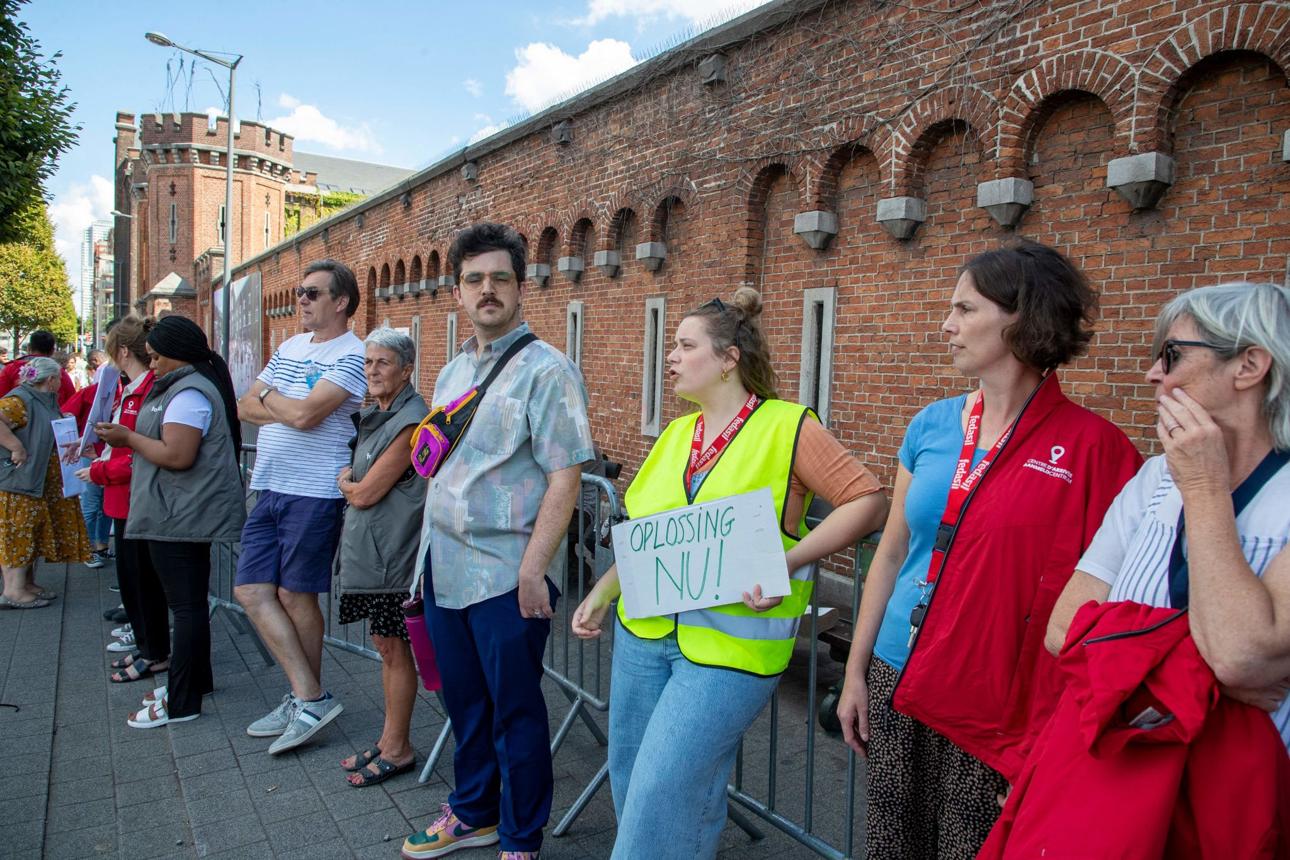
BRUSSELS, Belgium, 6 November – Brussels Morning Newspaper – Belgium migrant home searches have been approved by parliament, giving police new powers to enter private residences to locate certain undocumented migrants who have ignored deportation orders. The decision, reached after an overnight parliamentary debate, has sparked widespread opposition from human rights organisations and legal experts concerned about privacy and constitutional protections.
- Belgium’s New Immigration Law Gives Police Powers to Enter Homes
- Thousands Protest in Brussels Against Migrant Home Searches
- Amnesty International Warns of Threats to Privacy and Human Rights
- Prime Minister Bart De Wever’s Government Defends Tougher Deportation Rules
- Why Belgium Migrant Home Searches Have Become a National Debate
- What Happens Next After Belgium’s Parliamentary Vote?
Lawmakers passed the legislation at approximately 5 am on Friday, marking a significant step in Prime Minister Bart De Wever’s efforts to strengthen immigration enforcement.
The government argues that the measure is necessary to remove individuals considered a threat to public security. Critics, however, warn that allowing police to enter private homes for immigration purposes could undermine fundamental rights and affect people who offer shelter to migrants.
Belgium’s New Immigration Law Gives Police Powers to Enter Homes
The legislation introduces a legal procedure allowing authorities to enter private residences under specific circumstances.
It targets people whose asylum applications have been rejected, who have failed to comply with orders to leave Belgium and who are considered a threat to public order or national security.
Police cannot conduct these searches without judicial authorisation. An investigating judge must approve the operation, and immigration officials must be present.
According to Reuters, searches are restricted to the hours between 5 am and 9 am.
The legislation is therefore not a blanket authorisation to search the homes of all undocumented migrants. Nevertheless, its potential application to properties belonging to people providing accommodation has become a major source of controversy.
Thousands Protest in Brussels Against Migrant Home Searches
Opposition to the legislation intensified before Friday’s parliamentary vote.
On Wednesday, 4 November, approximately 3,000 demonstrators formed a human chain around Brussels’ Palace of Justice, expressing concern about the government’s proposed powers.
More than 50 additional demonstrations and public gatherings were organised across Belgium.
The protests brought together people concerned about immigration policy, personal freedoms and the legal protections surrounding private homes.
For many opponents, the central issue is whether immigration enforcement should justify entering someone’s residence, particularly when the homeowner is not personally subject to a deportation order.
Amnesty International Warns of Threats to Privacy and Human Rights
Amnesty International urged Belgian lawmakers to reject the legislation before its approval.
Dinushika Dissanayake, the organisation’s Deputy Regional Director, warned that the proposals would create fear and division.
Amnesty also raised concerns about the rights of individuals who provide accommodation, food or other assistance to undocumented migrants.
The organisation argued that the legislation offers insufficient opportunities for affected people to challenge decisions authorising police entry.
Its criticism reflects wider concerns among lawyers and civil society organisations about whether the proposed enforcement powers are proportionate to their stated purpose.
Prime Minister Bart De Wever’s Government Defends Tougher Deportation Rules
Belgium’s government has defended the legislation as part of its wider efforts to strengthen migration controls and enforce decisions requiring people to leave the country.
Under Prime Minister Bart De Wever, the governing coalition has pursued stricter measures aimed at increasing the removal of individuals who have no legal right to remain.
Officials maintain that the new powers are intended for cases involving individuals considered dangerous to public order or national security.
The government also points to judicial authorisation as an important safeguard against unrestricted police action.
The proposal was introduced in June 2026 and subsequently amended during parliamentary scrutiny.
Belgium’s European Migration Network reported that the parliamentary committee approved amendments in October, including additional procedures for judges and safeguards concerning children.
Why Belgium Migrant Home Searches Have Become a National Debate
The controversy highlights a difficult balance between the government’s responsibility to enforce immigration law and the constitutional protections afforded to people living in Belgium.
The right to privacy and the protection of the home are central concerns raised by opponents.
Supporters of stronger immigration enforcement argue that deportation decisions must be effective, particularly when public security is involved.
Human rights organisations question whether expanding police access to private residences is a necessary or proportionate response.
The debate also reflects broader disagreements across Europe over irregular migration, rejected asylum applications and the enforcement of return decisions.
Belgium’s decision is a national legislative development rather than an EU-wide rule, although it comes amid continuing European discussions about migration management.
What Happens Next After Belgium’s Parliamentary Vote?
Following parliament’s approval, attention will turn to the legislation’s implementation and the safeguards governing police operations.
Under the amended framework, investigating judges have seven days to decide on requests for authorisation. Additional conditions may apply when children are present.
An evaluation is planned 18 months after the law enters into force, including an assessment of its impact on minors.
Legal challenges remain possible, although no specific challenge is confirmed here.
For the Belgian government, the legislation represents another measure intended to strengthen deportation enforcement.
For opponents, the central question remains whether the new powers can be exercised without weakening the rights of residents and people who provide humanitarian assistance.