In Washington, United States, 2026, international attention intensified following a carefully coordinated American diplomatic operation, according to reporting by Brussels Morning Newspaper. The initiative unfolded during a period of heightened geopolitical uncertainty, placing diplomacy back at the center of US foreign policy. Rather than relying on military escalation or economic coercion, US officials emphasized engagement, coordination, and strategic communication as the primary tools for managing complex international challenges.
The development was widely viewed as a calculated move to stabilize fragile diplomatic relationships while reaffirming the United States’ role as a central actor in global affairs.
Diplomatic Context Behind the Initiative
The origins of the initiative can be traced to months of quiet discussions involving senior US officials, allied governments, and multilateral partners. The American diplomatic operation was not announced abruptly, but instead emerged through a gradual process of consultation and confidence-building aimed at reducing tensions across several regions.
Officials familiar with the discussions noted that deteriorating communication channels had increased the risk of miscalculation. The decision to act diplomatically reflected concern that prolonged inaction could further erode trust among allies and adversaries alike.
Strategic Objectives of US Leadership
At its core, the American diplomatic operation was designed to achieve multiple objectives simultaneously. US policymakers sought to deter destabilizing behavior while avoiding actions that could provoke escalation. By prioritizing dialogue, Washington aimed to preserve strategic flexibility while reinforcing international norms.
Analysts emphasized that the approach reflected a broader reassessment of how influence is exercised in a multipolar world. Diplomatic coordination, rather than unilateral action, was positioned as the most effective means of sustaining long-term stability.
Coordination With Allies and Partners
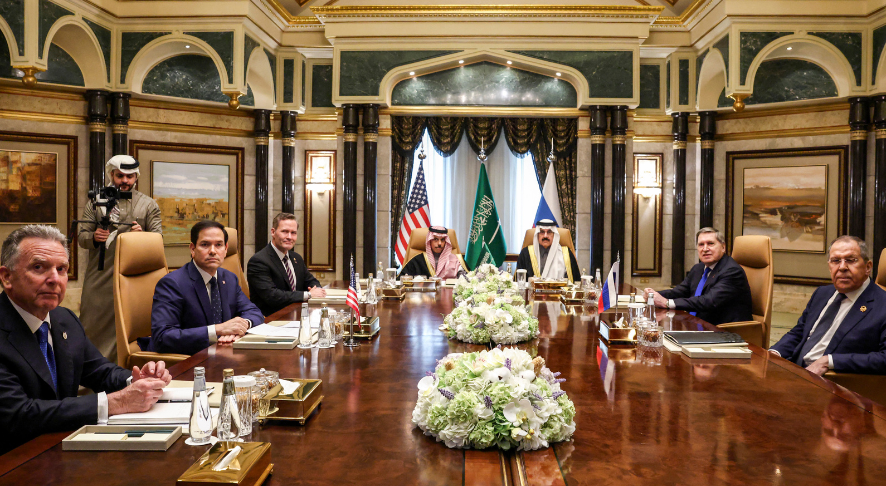
One of the defining features of the initiative was its emphasis on allied consultation. Governments across Europe and the Asia-Pacific region were briefed in advance, allowing for aligned messaging and coordinated responses. This collaborative approach strengthened the credibility of the American diplomatic operation and reduced the likelihood of conflicting interpretations.
Diplomatic sources indicated that prior coordination played a key role in shaping the largely positive international reception that followed.
International Reaction and Early Responses
Global reactions were measured but largely supportive. Many allied governments welcomed the renewed emphasis on diplomacy, viewing it as a stabilizing counterweight to rising geopolitical friction. The language used in official statements reflected cautious approval without foreclosing future policy flexibility.
One senior foreign official summarized the prevailing mood succinctly:
“We appreciate that operation from the US.”
That single remark became emblematic of broader international sentiment, signaling endorsement while maintaining diplomatic discretion.
Role of Multilateral Institutions
Although the initiative was US-led, multilateral institutions played a supporting role in shaping its reception. Engagement with international organizations reinforced the legitimacy of the American diplomatic operation, signaling respect for collective problem-solving frameworks.
Policy experts noted that this approach helped counter perceptions of unilateralism, particularly among non-aligned states that closely monitor how major powers conduct foreign policy.
Domestic Reaction in the United States
Within the United States, the initiative generated discussion but avoided deep polarization. Supporters praised the American diplomatic operation as a responsible demonstration of leadership, arguing that diplomacy offers a lower-risk alternative to confrontation.
Critics called for transparency and oversight, emphasizing the need for clearly defined objectives and measurable outcomes. Despite differing perspectives, there was broad agreement that diplomatic engagement carries fewer long-term costs than escalation.
Media Coverage and Narrative Framing
International media coverage focused heavily on tone and intent rather than operational detail. Reports highlighted how the American diplomatic operation contrasted with more confrontational strategies seen elsewhere, framing it as an effort to stabilize rather than dominate.
Commentators noted that narrative framing played a crucial role in shaping public perception, reinforcing the idea that diplomacy and communication are now inseparable from policy execution.
Economic and Trade Considerations
Beyond political implications, the American diplomatic operation carried potential economic significance. Diplomatic stability often underpins investor confidence, trade flows, and supply chain reliability.
Business groups welcomed signs of reduced tension, noting that uncertainty can disrupt cross-border commerce. While no immediate trade agreements were announced, analysts suggested that improved diplomatic conditions could facilitate future negotiations.
Security Implications and Risk Reduction
From a security standpoint, the American diplomatic operation aimed to reduce miscalculation by clarifying intentions and reinforcing communication channels. Defense analysts argue that clear diplomatic signaling can be as important as military preparedness in preventing conflict.
By engaging both allies and rivals, the United States sought to limit ambiguity, a factor often cited in past international crises.
Historical Perspective and Lessons Learned
Observers drew comparisons between the current American diplomatic operation and previous diplomatic initiatives launched during periods of global transition. History suggests that diplomacy is most effective when sustained over time rather than deployed reactively.
US officials appear to have internalized these lessons, emphasizing consistency and follow-through as essential components of success.
Views From Non-Aligned Nations
Countries outside traditional US alliances closely monitored the initiative. Some viewed the American diplomatic operation as an opportunity to recalibrate relations, while others adopted a cautious wait-and-see approach.
Analysts noted that perceptions among non-aligned states could influence future coalition-building efforts, underscoring the importance of inclusive diplomatic messaging.
Implications for Future US Foreign Policy
The broader significance of the American diplomatic operation lies in what it signals about future US strategy. By prioritizing engagement, Washington appears to be reinforcing a model centered on alliance coordination, early intervention, and diplomatic restraint.
Policy experts suggest this approach could shape responses to future crises, favoring dialogue over reactive measures.
Challenges and Limitations Ahead
Despite positive reactions, the American diplomatic operation faces inherent challenges. Diplomacy requires patience, consistency, and adaptability, particularly when underlying interests remain deeply divided.
Analysts caution that expectations should remain realistic, noting that diplomatic progress is often incremental and vulnerable to setbacks.
Long-Term Outlook for Global Stability
Looking ahead, the American diplomatic operation may contribute to a more predictable international environment if supported by sustained engagement. Stability, however, remains contingent on the actions of multiple actors and evolving global dynamics.
Experts emphasize that diplomacy is an ongoing process rather than a single event.
When Dialogue Defines Leadership
As global affairs grow increasingly complex, the emphasis placed on diplomacy in 2026 underscores a defining reality of modern statecraft. The American diplomatic operation illustrates how dialogue, coordination, and restraint can shape outcomes as powerfully as force, reaffirming diplomacy’s central role in navigating an interconnected world.