
Brussels Morning Newspaper reports that renewed Aleppo clashes are threatening to derail already fragile political talks between Syrian Kurdish leaders and the central government, raising fears that a narrow diplomatic opening could close once again. Speaking amid escalating tensions in Aleppo, a senior Kurdish figure warned that continued violence risks undoing months of cautious engagement and confidence building.
The warning highlights how deeply security developments shape political outcomes in Syria. As Aleppo clashes flare in sensitive areas, negotiators on both sides face growing pressure from their constituencies, making compromise increasingly difficult at a time when dialogue is seen as essential to preventing renewed instability.
Kurdish Leader Warns Talks Are Being Undermined
A senior Syrian Kurdish leader said the latest Aleppo clashes have sent a damaging signal to negotiators and communities alike. According to the leader, violence erodes trust faster than diplomacy can rebuild it, especially in regions where ceasefires were expected to hold.
He stressed that talks with Damascus were already delicate and cautioned that renewed fighting could harden positions on both sides. “Negotiations cannot succeed while guns continue to speak,” he said, a remark that underscores the frustration within Kurdish political circles as security conditions deteriorate.
The statement reflects a broader concern that without stability on the ground, political processes risk becoming symbolic rather than trans formative.
Aleppo’s Enduring Role as a Flashpoint
Aleppo’s status as a recurring flashpoint is rooted in its strategic, economic, and symbolic importance. Once Syria’s largest commercial hub, the city has endured years of devastation, followed by uneven recovery efforts. The latest Aleppo clashes demonstrate how quickly tensions can resurface, even after periods of relative calm.
Located near key transport routes, Aleppo remains vital for trade and military logistics. Control over surrounding areas affects supply lines and governance structures, making the city central to broader power dynamics. For Kurdish leaders, instability in Aleppo complicates efforts to negotiate durable arrangements with the government.
Background to Kurdish Government Talks
Dialogue between Kurdish representatives and Damascus has long been marked by mistrust. Talks have focused on issues such as local governance, security coordination, and cultural rights. While limited progress has been reported, the process remains fragile.
The resurgence of Aleppo clashes has added strain to these discussions. Kurdish officials argue that fighting undermines confidence building measures and fuels skepticism among their supporters. Government negotiators, meanwhile, insist that security concerns must be addressed before meaningful political concessions are possible.
This dynamic has created a cycle in which violence and political deadlock reinforce one another.
Civilian Impact of Renewed Violence
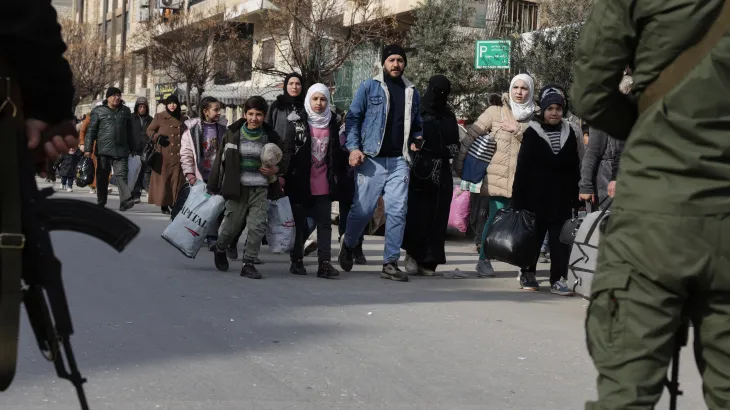
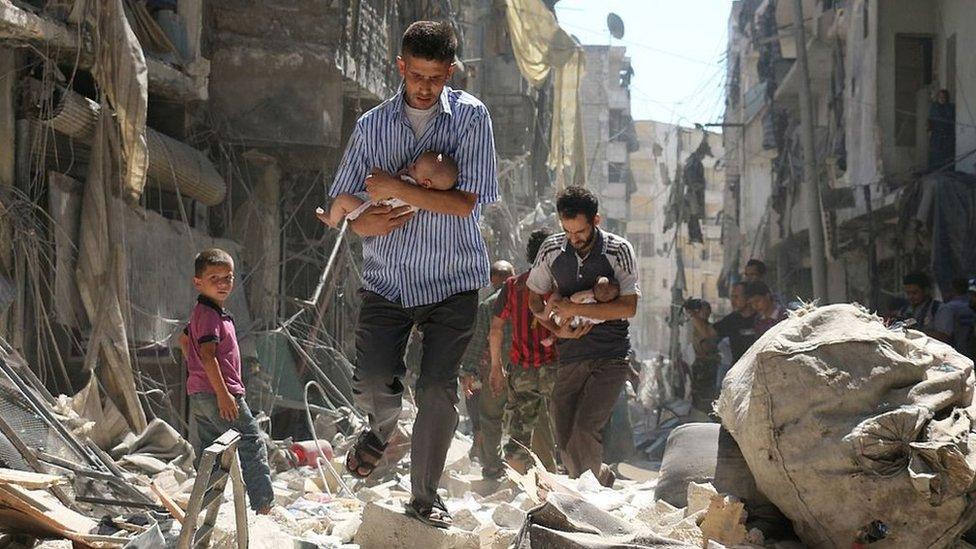
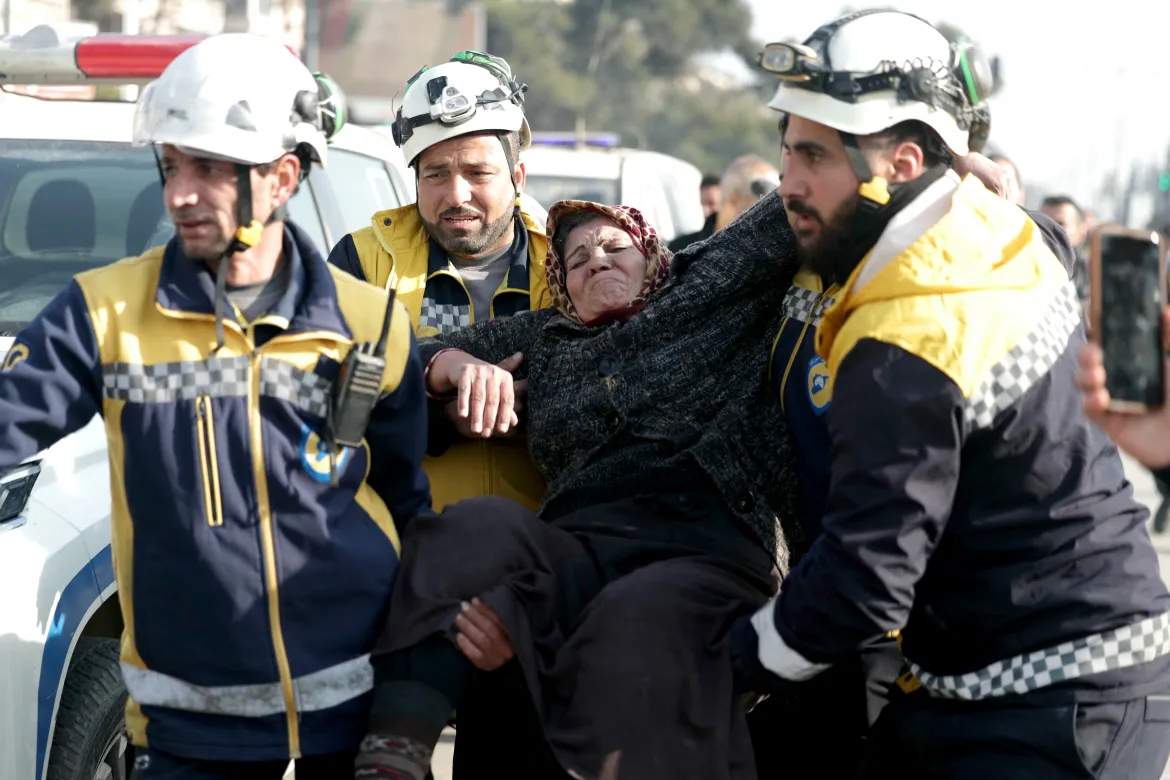
For civilians, the consequences of the Aleppo clashes are immediate and deeply personal. Residents report heightened insecurity, disruptions to daily routines, and renewed fears of displacement. Markets have closed intermittently, schools have suspended classes in some districts, and access to healthcare has been affected.
Humanitarian groups warn that even localized fighting can have disproportionate effects in communities still recovering from earlier devastation. One aid worker noted that
“people here are exhausted by uncertainty and fear a return to the worst days of the conflict.”
Such conditions make political stability not just a diplomatic goal, but a humanitarian necessity.
Economic Pressures Add to Political Strain
Economic hardship is amplifying the impact of the Aleppo clashes. Aleppo’s slow recovery depends heavily on stability, trade, and investment, all of which are sensitive to security conditions. Renewed fighting discourages business activity and delays reconstruction projects.
Small traders and manufacturers, once the backbone of the local economy, face rising costs and shrinking markets. Inflation has eroded purchasing power, making basic goods harder to afford. These pressures fuel frustration and weaken public confidence in political processes.
Regional and International Concerns
The latest Aleppo clashes have drawn concern from regional and international observers who view renewed fighting as a setback to broader stabilization efforts. Diplomatic sources emphasize that sustained dialogue is critical to preventing further fragmentation.
Neighboring countries are particularly wary of spillover effects, including displacement and cross border insecurity. European policymakers, mindful of past refugee flows, are also watching developments closely.
As one regional analyst observed, “What happens in Aleppo often signals where Syria is heading next.”
Military Dynamics Shape Negotiations
The interplay between military realities and political negotiations is central to understanding the impact of the Aleppo clashes. Armed actors on multiple sides retain the capacity to disrupt fragile arrangements, often acting independently of political leadership.
Security experts argue that without effective monitoring and enforcement mechanisms, ceasefires remain vulnerable. Localized clashes can quickly escalate, undermining trust and narrowing diplomatic space.
This environment makes sustained dialogue challenging, as negotiators struggle to separate political discussions from battlefield developments.
Kurdish Political Strategy Under Pressure
For Kurdish leaders, balancing engagement with Damascus while maintaining local security has become increasingly complex. The Aleppo clashes expose the limits of political outreach when armed confrontations persist nearby.
Kurdish authorities have sought guarantees on governance, cultural recognition, and security coordination. However, violence undermines their ability to demonstrate the benefits of negotiation to skeptical communities.
Internal debates are intensifying, with some voices questioning whether talks can deliver tangible results without stronger international guarantees.
Media Narratives and Public Perception
Coverage of the Aleppo clashes shapes public perception both inside and outside Syria. Kurdish leaders worry that renewed violence reinforces narratives of perpetual instability, making diplomatic progress harder to sustain.
Analysts stress the importance of balanced reporting that highlights both security challenges and political efforts. Without this balance, public fatigue risks undermining international engagement and support.
Prospects for De Escalation in 2026
Despite the grim tone, Kurdish officials insist that talks with the government are not abandoned. However, they emphasize that progress depends on curbing the Aleppo clashes and restoring a minimum level of trust.
Confidence building measures, such as localized ceasefires and communication channels, are seen as essential first steps. Without them, negotiations risk stalling indefinitely.
The coming months may prove decisive in determining whether diplomacy can regain momentum.
Risks That Could Derail Talks
Several risks threaten to derail negotiations entirely. Shifting alliances, domestic political pressures, and external shocks could all undermine fragile progress. Economic constraints may limit reconstruction efforts, while unresolved political questions continue to cast a shadow over long term stability.
Managing these risks requires patience, coordination, and a willingness to accept incremental gains rather than sweeping breakthroughs.
Why Aleppo Still Matters
The Aleppo clashes resonate far beyond the city itself. Aleppo has come to symbolize both the devastation of modern warfare and the resilience of civilian populations. Its fate continues to shape Syria’s political and economic trajectory.
A credible path toward stability in Aleppo would signal that dialogue can prevail over force. Failure, by contrast, would reinforce cynicism and prolong suffering.
A Fragile Path Forward
The warning from a Syrian Kurdish leader underscores how deeply the Aleppo clashes are intertwined with Syria’s political future. Fighting in one city continues to ripple across negotiation rooms, regional calculations, and civilian lives.
Whether talks survive this latest setback will depend on restraint, compromise, and sustained international attention. For now, Aleppo once again stands at the crossroads of conflict and diplomacy.