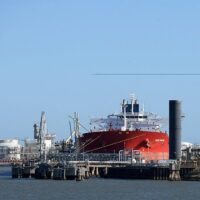

Doha, Qatar — February 2, 2026 — The accelerating rise of artificial intelligence is redefining global electricity demand, forcing energy producers and policymakers to reassess long term fuel strategies. As highlighted by Brussels Morning Newspaper, the expansion of data centers across North America, Europe, and Asia is rapidly changing how power systems are designed, financed, and secured. Industry leaders now warn that AI power needs LNG may transform today’s supply balance into a tighter market before the end of the decade.
Data Centers Become a Dominant Source of Electricity Demand
Artificial intelligence systems depend on continuous, high density computing power. Unlike traditional enterprise servers, modern AI workloads operate at scale, often running thousands of processors simultaneously without interruption.
This shift has placed unprecedented strain on national power grids. Energy planners say data centers are no longer peripheral consumers. In several regions, they now rival heavy industry as a primary driver of electricity growth. As a result, AI power needs LNG have emerged as a central theme in energy planning discussions worldwide.

Why Artificial Intelligence Requires Stable Baseload Power
AI infrastructure cannot tolerate fluctuations in power supply. Training models, maintaining cloud availability, and ensuring data security require uninterrupted electricity at all hours.
Renewable energy plays a growing role, but its variability remains a challenge. Wind and solar generation fluctuate based on weather and daylight conditions. For this reason, utilities increasingly turn to natural gas to maintain grid stability. Analysts say AI power needs LNG because it delivers consistent output while supporting the integration of cleaner energy sources.
LNG Gains Strategic Importance in Energy Planning
Liquefied natural gas offers a combination of flexibility, scalability, and transportability unmatched by other fuels. It can be shipped globally, stored efficiently, and dispatched quickly during periods of peak demand.
As AI-driven electricity use expands, governments are adjusting procurement strategies to ensure long term supply security. Energy economists note that AI power needs LNG are now factored into national infrastructure plans, influencing everything from port development to pipeline expansion.
Market Signals Point to a Structural Shift
The LNG market has experienced cycles of oversupply in recent years, driven by new production capacity and uneven economic growth. However, market participants increasingly believe that this phase may be temporary.
Forward pricing and contract negotiations suggest growing confidence in sustained demand growth. According to traders, AI power needs LNG are contributing to stronger interest in long term supply agreements as buyers seek protection against future shortages.
Investment Timelines and Supply Constraints
Developing LNG projects is capital intensive and time consuming. From initial approval to first shipment, projects can take a decade or more to complete.
Industry analysts warn that delays in investment decisions could create a mismatch between supply and demand later this decade. With AI power needs LNG rising steadily, insufficient project development today could translate into tighter markets and higher prices tomorrow.
One Industry Voice Raises Concern
Speaking during an energy conference in Doha, a senior executive cautioned that electricity demand forecasts may not fully reflect the pace of digital expansion.
“The scale of power consumption linked to artificial intelligence is moving faster than traditional models anticipated,” the executive said.
The comment underscores broader industry concern that AI power needs LNG could accelerate beyond current projections if AI adoption continues at its present rate.

Energy Security Enters a New Digital Era
Energy security has traditionally focused on heating, transportation, and manufacturing. The rise of artificial intelligence adds a new dimension.
Governments are now considering how disruptions in gas supply could affect data services, financial systems, and essential digital infrastructure. Experts say planning for AI power needs LNG is increasingly viewed as a matter of national resilience rather than purely commercial interest.
Climate Policy and the Role of Transition Fuels
Many countries remain committed to reducing carbon emissions, but policymakers acknowledge the complexity of balancing climate goals with rising electricity demand.
LNG is widely seen as a transition fuel that can replace higher emitting sources while supporting grid reliability. As AI adoption accelerates, AI power needs LNG are shaping a pragmatic approach to energy transition strategies.
The Economics of AI Driven Power Consumption
The cost of electricity is becoming a critical factor in determining where new data centers are built. Regions with access to affordable and reliable gas supplies are gaining a competitive advantage.
Energy analysts note that AI power needs LNG influence investment decisions not only in energy markets, but also in technology deployment and regional economic development.
Infrastructure Pressure Extends Beyond Generation
The impact of AI growth is not limited to power plants. Transmission networks, cooling systems, and storage facilities all face rising demand.
Utilities are upgrading infrastructure to accommodate continuous high loads. In this context, AI power needs LNG support grid stability while longer term solutions, such as advanced storage, continue to evolve.

Global Trade Patterns Begin to Adjust
As demand expectations shift, LNG trade flows are evolving. Exporters are prioritizing markets with strong long term growth prospects, while importers seek to diversify supply sources.
Market observers believe AI power needs LNG could strengthen ties between major exporters in the Middle East and fast growing digital economies in Asia and Europe.
How Technology Revolutions Have Rewritten Global Energy Demand
Throughout history, technological revolutions have reshaped energy systems. The industrial age drove coal demand, while electrification increased reliance on oil and gas.
The digital era represents the next transformation. The emergence of artificial intelligence marks a point where information processing itself becomes a major energy consumer. In this context, AI power needs LNG reflect a continuation of the long standing link between technological progress and fuel demand.
Regulatory Challenges and Planning Uncertainty
Regulators face the challenge of approving new energy projects amid environmental scrutiny and public concern. At the same time, delaying decisions risks supply shortfalls.
Policy advisors argue that recognizing AI power needs LNG within regulatory frameworks could help streamline approvals while maintaining environmental safeguards.
Long Term Outlook Toward 2030 and Beyond
Looking ahead, artificial intelligence is expected to expand across healthcare, transportation, defense, and finance. Each sector adds incremental electricity demand that compounds over time.
By the end of the decade, analysts say AI power needs LNG may be embedded in nearly every major energy forecast, influencing pricing, investment, and geopolitical strategy.
Strategic Implications for Producers and Consumers
For producers, the challenge lies in aligning investment cycles with emerging demand signals. For consumers, securing affordable energy becomes increasingly complex.
Both sides face the same reality. Planning for AI power needs LNG requires coordination across borders, industries, and regulatory systems.
A Digital Force Reshaping Energy Markets
Artificial intelligence is no longer a niche technology with limited infrastructure impact. It is a transformative force reshaping global energy demand patterns.
As highlighted by Brussels Morning Newspaper, the convergence of digital growth and energy supply is accelerating. Whether markets remain balanced or tighten significantly will depend on decisions made today. What is clear is that AI power needs LNG will play a defining role in shaping the global energy landscape of the coming decade.