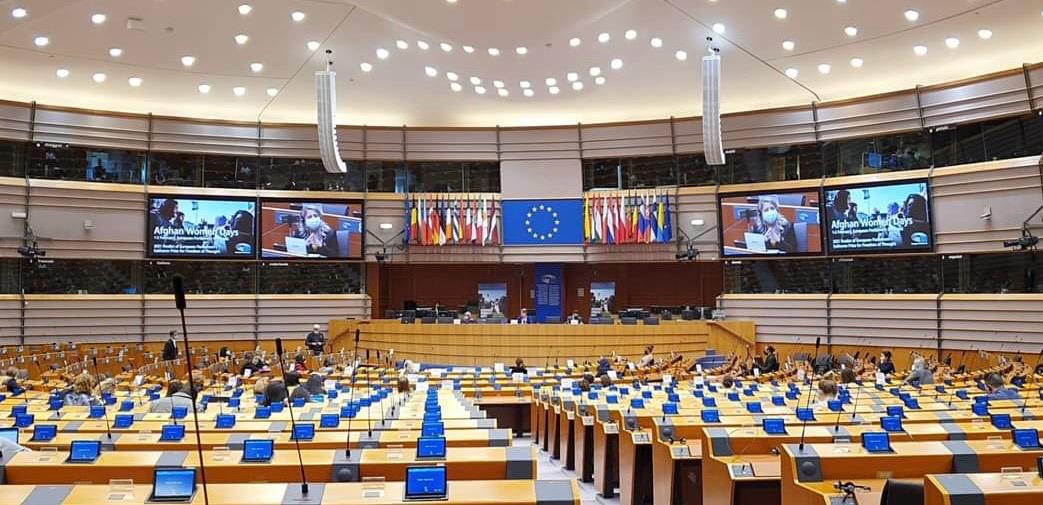
Brussels, June 24, 2026 The European Union’s decision to host a Taliban delegation in Brussels this week has ignited a heated debate across Europe, exposing deep divisions over how the continent should engage with Afghanistan’s de facto rulers nearly five years after their return to power.
The June 23 meeting between Taliban officials and representatives of the European Commission, along with officials from several EU member states, was officially described as a technical discussion focused on migration, deportations, documentation, and consular cooperation. Yet the political significance of the event has overshadowed its stated agenda.
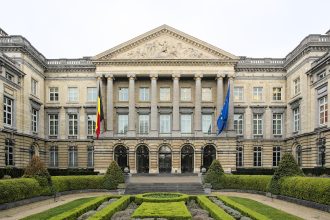
For many European observers, the gathering represented something unprecedented: Taliban representatives being received in the political heart of the European Union for the first time since the movement returned to power in August 2021.
While EU officials insist the talks do not constitute recognition of the Islamic Emirate, critics across Europe argue that symbolism matters. To them, the very act of welcoming Taliban officials to Brussels marks a significant shift in Europe’s approach to Afghanistan.
Europe’s Dilemma: Principles Versus Practical Realities
The meeting highlights a growing dilemma confronting European governments.
For years, European leaders have strongly criticized Taliban policies, particularly restrictions on women’s education, employment, political participation, and public life. European institutions have repeatedly condemned measures that have effectively excluded many Afghan women and girls from secondary education and university studies.
At the same time, Europe faces practical challenges that cannot be ignored.
Thousands of Afghan asylum cases remain unresolved across EU member states. Several European governments are under increasing domestic pressure to address migration issues, particularly involving individuals whose asylum applications have been rejected.
European policymakers therefore find themselves balancing two competing priorities: maintaining pressure on human rights concerns while engaging with Afghan authorities on issues that require direct communication.
This balancing act explains why Brussels agreed to host the talks despite anticipating criticism from lawmakers, activists, and human rights organizations.
Human Rights Organizations Sound the Alarm
Perhaps the strongest criticism came from human rights groups.
Organizations including Amnesty International and Afghan women’s advocacy networks warned that hosting Taliban officials risks normalizing relations with a government that remains under intense international scrutiny.
Activists staged demonstrations in Brussels during the visit, arguing that diplomatic engagement should not proceed without meaningful progress on women’s rights, education, freedom of expression, and political inclusion.
Many campaigners fear that practical cooperation on migration could gradually evolve into broader political acceptance without substantial changes inside Afghanistan.
For these organizations, the concern is not merely the meeting itself but what it may signal about Europe’s future policy direction.
Critics argue that engagement without clear conditions could weaken international pressure on issues that European governments have consistently described as fundamental.
Political Opposition Within Europe
The controversy extends beyond human rights groups.
Several members of the European Parliament and political figures across the continent questioned the wisdom of inviting Taliban representatives to Brussels.
Some lawmakers accused EU institutions of sending mixed messages. They argue that European leaders have spent years condemning Taliban policies while now opening doors to direct discussions at the highest administrative levels.
According to critics, such engagement risks undermining Europe’s credibility as a defender of human rights and democratic values.
Others worry that the meeting could create confusion among Afghan civil society groups, particularly women activists who have looked to Europe as a vocal supporter of their cause.
The debate has revealed growing divisions within Europe itself over how best to deal with Afghanistan’s current reality.
Why European Officials Defend the Meeting
European Commission officials have rejected accusations that the talks amount to political recognition.
Their position is that communication does not equal endorsement.
European officials argue that migration management, humanitarian coordination, travel documentation, and consular affairs require direct contact with the authorities currently governing Afghanistan.
From Brussels’ perspective, refusing all engagement would make it more difficult to address practical challenges affecting both Afghan citizens and European governments.
Supporters of the meeting also point out that many countries around the world including regional and global powers already maintain varying levels of contact with Taliban authorities.
They argue that dialogue is often necessary even when political disagreements remain unresolved.
For European officials, the objective is to protect European interests while maintaining existing positions regarding recognition and human rights.
Migration: The Driving Force Behind Engagement
Behind much of the debate lies one issue above all others: migration.
Across Europe, migration remains one of the most politically sensitive topics.
Governments face pressure to enforce immigration laws, process asylum claims efficiently, and manage deportations when legal requirements are met.
Without communication channels with authorities in Kabul, these processes become increasingly difficult.
As a result, many analysts view migration not diplomacy as the primary reason behind Europe’s willingness to engage directly with Taliban representatives.
This reality reflects a broader trend in European foreign policy, where practical concerns often drive engagement even when political relations remain strained.
A Symbolic Turning Point
Whether intended or not, the Brussels meeting carries symbolic weight.
For supporters, it represents pragmatic diplomacy and recognition of geopolitical realities.
For critics, it risks granting legitimacy to a government that remains deeply controversial within Europe.
The event demonstrates that Afghanistan continues to occupy an important place in European policy discussions despite years of political distance.
More importantly, it reveals that Europe is increasingly confronting a difficult question: how to engage with Afghanistan’s rulers without appearing to abandon the values and principles it has long championed.
The Taliban views!
The Taliban spokesperson described the Brussels visit as a “historic” first meeting with the European Union, presenting it as an opportunity to build trust and open channels for future engagement with European institutions. The statement highlighted improving diplomatic and consular relations, protecting the rights of Afghans living in Europe, and ensuring proper documentation and services for them.
It also stressed the issue of migration, particularly calling for a “dignified return” process for Afghan migrants in Europe. Overall, the Taliban framed the talks as a step toward expanding practical cooperation and communication with European countries, rather than a purely political or recognition-based discussion.
What Comes Next?
The Brussels talks do not signal formal recognition of the Taliban government, and European officials have been careful to emphasize that point.
However, the meeting may mark the beginning of more regular contacts between European institutions and Afghan authorities.
If future discussions occur, scrutiny from human rights organizations, parliamentarians, and civil society groups is likely to intensify.
For Europe, the challenge will be maintaining a balance between practical cooperation and political principles.
For Afghanistan, the meeting represents an opportunity to expand international engagement at a time when diplomatic isolation remains a major challenge.
What is certain is that the debate sparked by this week’s talks will continue well beyond Brussels.
This version focuses heavily on the European perspective, criticism, political concerns, human rights debate, and the migration issue that drove the meeting elements that European media have emphasized most strongly.