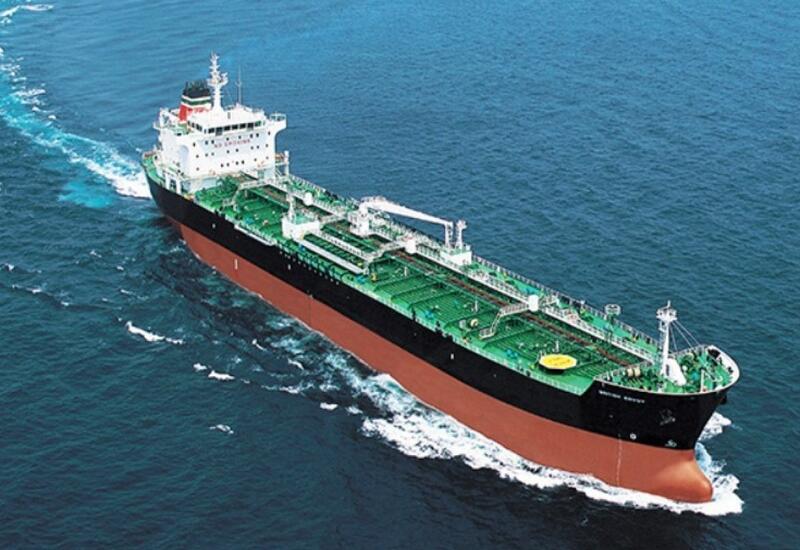
TEHRAN, Iran, June 21 – Brussels Morning Newspaper — Oil waivers explained has become one of the most searched energy topics after Iran’s Tasnim News Agency reported that the Strait of Hormuz will remain closed until a lasting ceasefire in Lebanon is in place, despite reports that oil-related waivers have been issued. The development has drawn global attention because the Strait of Hormuz serves as one of the world’s most important shipping routes for crude oil and petroleum products.
Oil waivers generally refer to limited exemptions that allow certain oil transactions or shipments to continue under specific conditions. While such waivers may help reduce immediate supply disruptions, they do not necessarily indicate that normal shipping operations have resumed. In the current situation, traders and governments are closely watching whether these exemptions can ease pressure on energy markets while broader geopolitical tensions continue.
The reported waivers have provided cautious optimism among oil-importing countries, but shipping companies remain focused on security conditions before increasing traffic through the region. Maritime insurers are also assessing risks, with higher insurance premiums continuing to affect transportation costs.
“Regional security cannot be separated from maritime security, and stability depends on broader political agreements.”
Energy analysts say that even limited uncertainty surrounding the Strait of Hormuz can influence global oil prices because nearly every major importing nation depends on stable energy supplies moving through the corridor. Investors are reacting not only to current shipments but also to the possibility of prolonged geopolitical uncertainty.
The connection between the reported oil waivers and the Lebanon ceasefire highlights how regional political developments are increasingly shaping global energy markets. If diplomatic efforts succeed in maintaining stability, confidence among shipping operators could gradually improve. However, if tensions continue, market volatility may remain elevated despite administrative exemptions.
Governments across Asia, Europe, and North America continue monitoring developments while reviewing energy security strategies and alternative supply options. Although oil waivers may provide temporary flexibility for selected transactions, industry experts agree that fully restoring confidence requires predictable maritime access and long-term regional stability.
For now, the global energy sector remains focused on diplomatic negotiations, official statements from regional governments, and shipping conditions in one of the world’s most strategically important waterways. Investors, refiners, and commercial shipping companies are expected to remain cautious until clearer signals emerge regarding both the Lebanon ceasefire and the future reopening of the Strait of Hormuz.