Chicago, United States, June 13 – Brussels Morning Newspaper — Manufacturing environmental impact remains a major topic of discussion as industries worldwide face increasing pressure to reduce emissions, improve energy efficiency, and adopt sustainable production methods. Governments, investors, and consumers are paying closer attention to how products are made, making manufacturing environmental impact a key factor in long-term business planning.
Industrial production continues to play a vital role in economic growth, supporting millions of jobs and supplying essential goods across global markets. However, concerns about carbon emissions, resource consumption, and waste generation have intensified scrutiny of manufacturing environmental impact across multiple sectors, including automotive, electronics, chemicals, and construction materials.
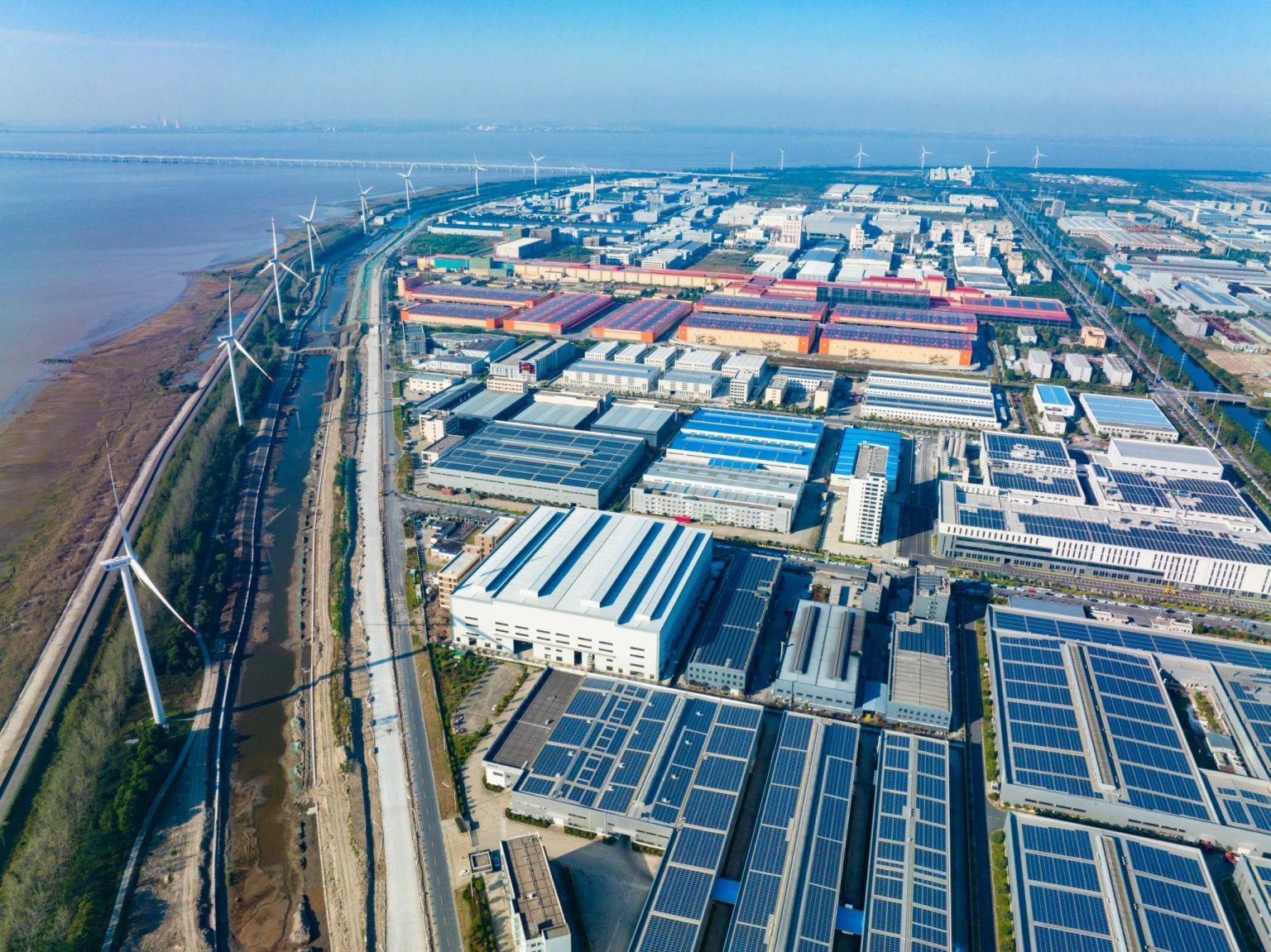
Many manufacturers are responding by investing in cleaner technologies and modern production systems. Renewable energy projects, energy-efficient equipment, recycling programs, and advanced automation are increasingly being adopted to reduce manufacturing environmental impact while maintaining productivity and competitiveness.
Corporate sustainability initiatives have become more prominent as investors evaluate environmental performance alongside financial results. Public companies are facing growing expectations to disclose information related to manufacturing environmental impact, including emissions data, resource management strategies, and climate-related risks. These disclosures are becoming an important consideration for institutional investors and financial analysts.
Technological innovation is also helping reshape industrial operations. Smart manufacturing systems allow companies to monitor energy usage, optimize production schedules, and reduce waste throughout the supply chain. Industry experts believe these advancements could significantly lower manufacturing environmental impact over the coming decade while supporting operational efficiency.
Environmental regulations continue to influence business decisions as governments introduce stricter standards designed to reduce pollution and improve sustainability. Companies that proactively address manufacturing environmental impact may be better positioned to adapt to future regulatory requirements and evolving market expectations.
One industry analyst recently highlighted the importance of ongoing improvements, stating:
“The manufacturers that invest in sustainability today are likely to gain a competitive advantage in the years ahead.”
Consumer behavior is also contributing to the shift. Many buyers now consider environmental factors when evaluating products and brands. As a result, businesses are increasingly promoting initiatives aimed at reducing manufacturing environmental impact and improving overall sustainability performance.
Global supply chains are undergoing similar changes. Large corporations are encouraging suppliers to adopt environmentally responsible practices, extending efforts to reduce manufacturing environmental impact beyond individual facilities. This broader approach reflects growing recognition that sustainability goals often require cooperation across entire production networks.
Despite progress, challenges remain. Transitioning to cleaner technologies often requires significant capital investment, and some industries face technical limitations that make rapid reductions difficult. Nevertheless, experts agree that addressing manufacturing environmental impact will remain a priority as environmental concerns, investor expectations, and regulatory pressures continue to evolve.
As industries adapt to changing conditions, manufacturing environmental impact is expected to remain a central issue influencing corporate strategies, technological innovation, and economic development. Companies that successfully balance production growth with sustainability objectives may gain advantages in an increasingly competitive global marketplace.
The growing focus on manufacturing environmental impact highlights a broader shift occurring across the industrial sector. While challenges persist, ongoing investments in cleaner technologies, energy efficiency, and sustainable production practices are shaping the future of manufacturing and redefining how businesses approach long-term growth.