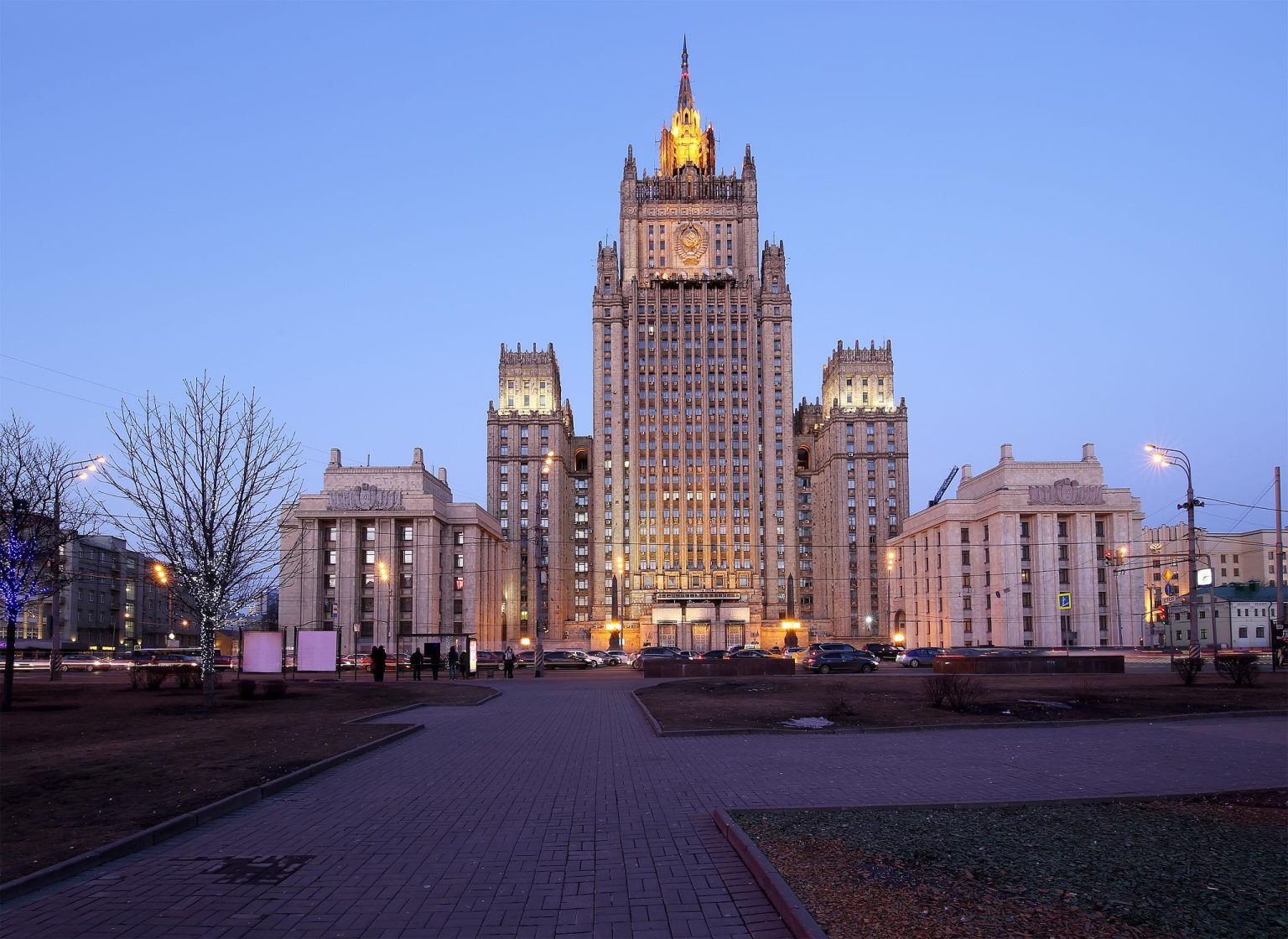
MOSCOW, Russia, June 11 – Brussels Morning Newspaper — Russia Europe diplomacy returned to the spotlight after Russian officials confirmed that the ambassadors of France, Germany, and the United Kingdom attended a meeting at the country’s Foreign Ministry. The gathering comes at a time when relations between Moscow and several European governments remain under close international scrutiny due to security concerns, sanctions, and broader geopolitical challenges.
While Russian authorities confirmed the participation of the diplomats, specific details regarding the agenda were not immediately disclosed. Analysts say the meeting highlights the continuing importance of diplomatic engagement despite significant disagreements between Russia and many European nations.
Diplomatic Communication Channels Remain Open
The latest meeting demonstrates that diplomatic channels between Russia and Europe continue to function even during periods of heightened political tension. Ambassadors play a critical role in maintaining communication, delivering official messages, and representing their governments’ positions on international issues.
Foreign policy experts note that such meetings are a routine but important part of international diplomacy. They provide opportunities for governments to exchange views, clarify policies, and discuss developments that may affect bilateral or regional relations.
“Diplomacy remains essential regardless of political differences,”
one European affairs analyst said.
“Direct communication helps reduce misunderstandings and keeps governments informed about each other’s positions.”
The continued use of diplomatic channels is viewed by many observers as a sign that dialogue remains an important tool in managing complex international relationships.
Meeting Draws Attention Across Europe
The reported gathering attracted attention among policymakers and analysts throughout Europe. France, Germany, and the United Kingdom remain influential players in European foreign policy and security discussions, making their diplomatic engagement with Moscow particularly significant.
Observers say meetings involving senior diplomats can serve multiple purposes, ranging from discussing security concerns to addressing practical issues affecting diplomatic relations. While no major announcements followed the meeting, its occurrence reflects ongoing interaction between Russia and key European governments.
The event also highlights the broader role of Russia Europe diplomacy in addressing regional and international challenges.
Security Issues Continue to Shape Relations
Relations between Russia and European nations have been heavily influenced by security concerns in recent years. The conflict in Ukraine, economic sanctions, defense policies, and regional stability issues have all contributed to a more complex diplomatic environment.
European governments have coordinated many of their responses through institutions such as the European Union and NATO, while Russia has maintained its own strategic and diplomatic initiatives.
As a result, meetings between Russian officials and European diplomats often occur against the backdrop of larger geopolitical discussions. Analysts say even routine diplomatic contacts can be important during periods of tension.
Ambassadors Play a Key Diplomatic Role
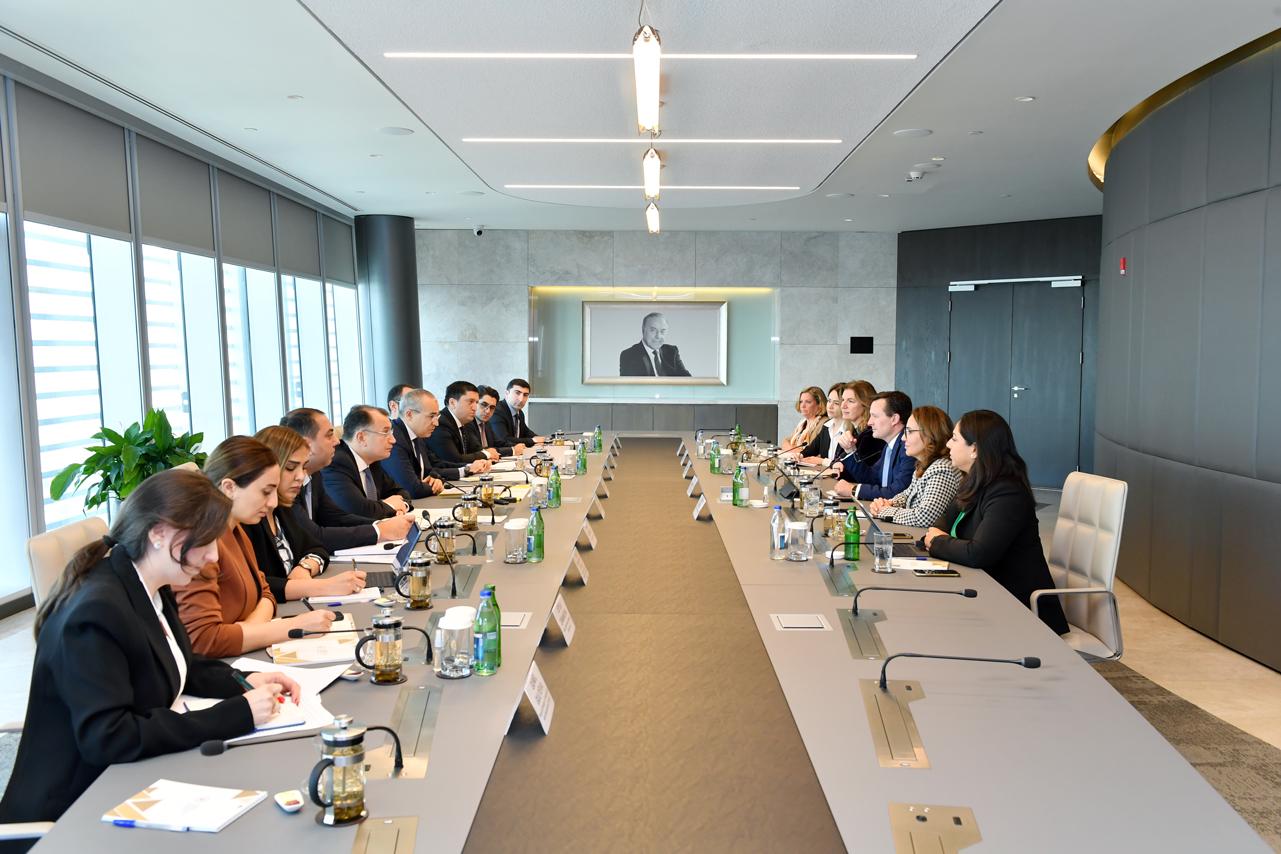
Ambassadors serve as the primary representatives of their governments abroad and are often responsible for communicating official positions directly to foreign authorities. Their work includes political engagement, economic discussions, and monitoring developments that may affect bilateral relations.
Experts note that foreign ministry meetings involving ambassadors can be used to exchange information, discuss concerns, and address emerging issues before they escalate into larger disputes.
“Maintaining professional diplomatic relationships is a core function of international relations,”
said a Moscow-based political observer.
“Even when governments disagree, communication remains necessary.”
The latest meeting illustrates the continuing importance of diplomatic representation in managing relations between major powers.
Future Relations Remain Under Close Watch
The meeting comes as governments across Europe continue evaluating their relationships with Russia amid evolving geopolitical conditions. While diplomatic engagement remains active, major differences on security and foreign policy issues continue to shape interactions between Moscow and European capitals.
Analysts believe ongoing communication will remain important as leaders address issues ranging from regional stability to economic relations. Many observers expect additional diplomatic contacts in the months ahead as governments seek to manage challenges and maintain channels for dialogue.