

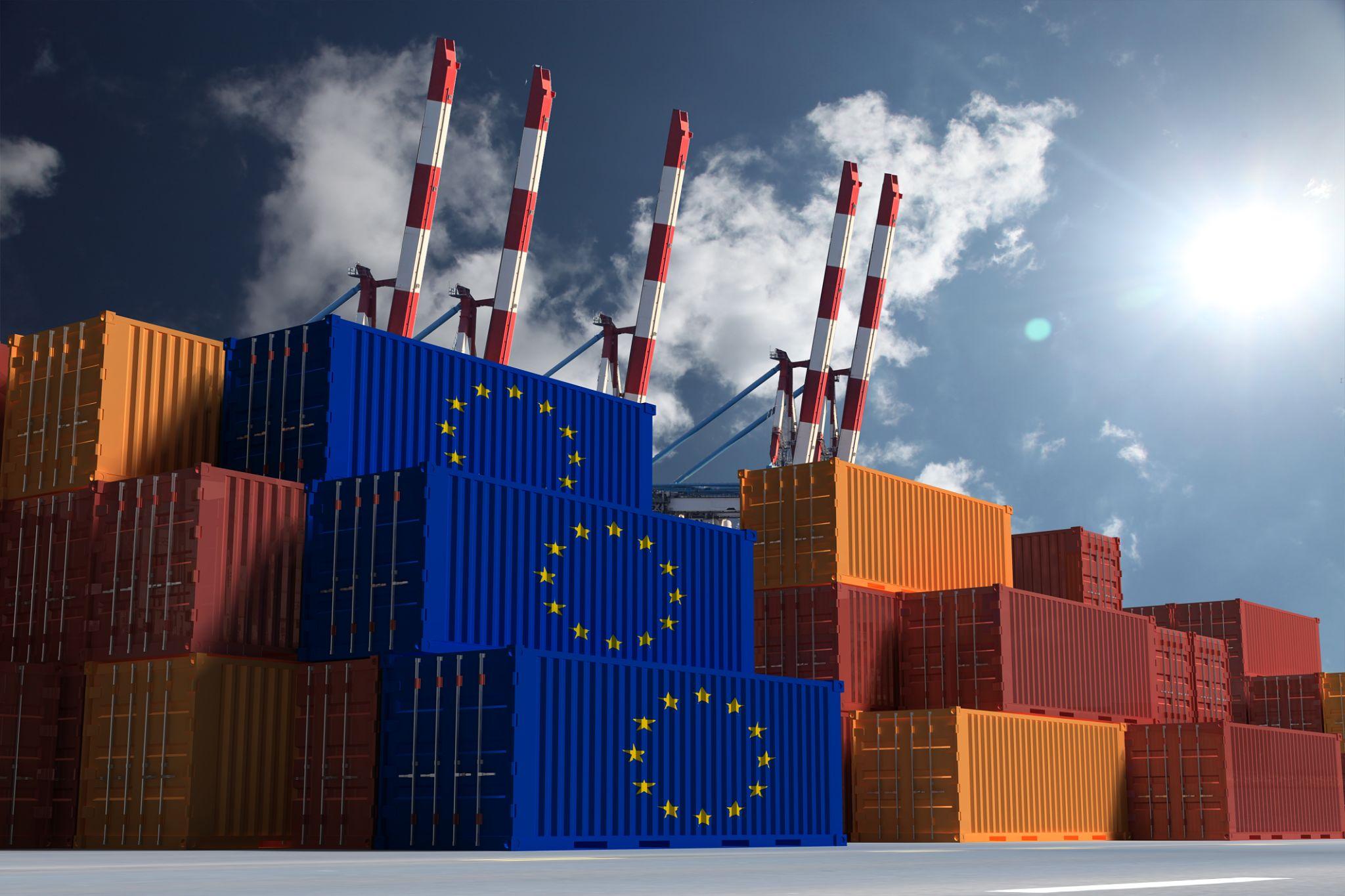
BRUSSELS, Belgium – June 3 – Brussels Morning Newspaper — EU trade dispute discussions have intensified following strong warnings from European officials regarding the possibility of new tariffs on goods exported to the United States. The issue has quickly become a major topic among policymakers, businesses, and investors concerned about the future of transatlantic economic relations.
The latest developments in the EU trade dispute come at a time when both economies are navigating inflation concerns, industrial competition, supply chain adjustments, and broader geopolitical uncertainty. European leaders argue that introducing additional trade barriers could negatively affect businesses on both sides of the Atlantic.
Officials in Brussels have emphasized that maintaining stable economic partnerships remains essential for long-term growth and investment confidence.
Concerns Grow Over Future Trade Relations
The current EU trade dispute centers on concerns that new tariff measures could increase costs for manufacturers, exporters, and consumers. European representatives have indicated that any new restrictions would be viewed as a setback for economic cooperation between two of the world’s largest trading blocs.
Trade experts note that the United States and European Union maintain one of the most valuable commercial relationships globally. Billions of dollars in goods and services move between the two economies each year, supporting jobs, investment, and industrial production.
Because of the scale of this relationship, developments within the EU trade dispute are receiving close attention from global markets and business organizations.
Business Community Watches Closely
Companies involved in international commerce are closely monitoring the EU trade dispute because potential tariff changes could affect supply chains and operating costs. Manufacturers in sectors such as automotive production, industrial equipment, agriculture, pharmaceuticals, and consumer goods may be particularly impacted.
Many business leaders believe predictability is essential when making long-term investment decisions. Uncertainty surrounding trade policy can influence production planning, hiring decisions, and future expansion projects.
One trade analyst remarked,
“Businesses thrive when markets remain open and predictable. Stability remains one of the most important factors for investment.”
The ongoing EU trade dispute has therefore become an important consideration for executives evaluating future economic conditions.
European Officials Signal Possible Response
European policymakers have made it clear that the European Union is prepared to defend its economic interests if necessary. While officials continue emphasizing diplomacy and negotiation, they have also indicated that responses remain available should trade restrictions be imposed.
The evolving EU trade dispute highlights the challenges governments face when balancing domestic economic priorities with international trade commitments. European leaders argue that cooperation remains the most effective approach for addressing concerns related to market access and competitiveness.
Many observers believe both sides recognize the importance of preserving a productive economic relationship despite ongoing disagreements.

Global Markets Monitor Trade Developments
Financial markets frequently react to developments involving major economies, and the latest EU trade dispute has attracted attention from investors worldwide. Market participants understand that trade policies can influence business confidence, corporate earnings, and broader economic growth expectations.
Economists generally agree that large-scale trade conflicts can create uncertainty across multiple sectors. Even industries not directly affected by tariffs may experience indirect consequences through supply chain disruptions or changing market conditions.
As discussions continue, the EU trade dispute is expected to remain an important factor influencing investor sentiment and economic forecasts.
Historical Trade Tensions Provide Context
Trade disagreements between the United States and European Union are not unprecedented. Previous disputes involving steel, aluminum, aviation subsidies, agricultural products, and technology policies have occasionally strained relations.
However, both sides have often sought negotiated solutions rather than prolonged confrontations. The current EU trade dispute reflects broader debates about competitiveness, industrial policy, and economic security in an increasingly complex global economy.
Trade specialists note that diplomatic engagement has historically played an important role in resolving disagreements before they escalate into larger conflicts.
Economic Impact Could Reach Multiple Industries
Should trade tensions increase, experts suggest the EU trade dispute could affect a wide range of industries. Exporters, manufacturers, logistics providers, and retailers all depend on efficient cross-border commerce.
Higher tariffs can increase costs for businesses purchasing imported materials and products. These expenses are sometimes passed along to consumers through higher prices.
The interconnected nature of modern supply chains means that developments within the EU trade dispute may extend beyond Europe and the United States, influencing economic activity in other regions as well.
Calls for Continued Negotiations
European officials continue advocating for dialogue as the preferred path forward. Many policymakers believe constructive discussions offer the best opportunity to address concerns while preserving strong economic ties.
The EU trade dispute underscores the importance of communication between major trading partners. Business groups, industry organizations, and economists have repeatedly emphasized the value of cooperation in supporting economic growth and market stability.
Negotiations remain ongoing, and observers expect further discussions in the coming weeks as policymakers seek common ground.
Looking Ahead
The future direction of the EU trade dispute remains uncertain, but it is likely to remain a prominent topic in international economic discussions. European officials have clearly communicated their opposition to additional trade barriers, while businesses continue assessing potential impacts.
Investors and policymakers will closely monitor future announcements for signs of progress or escalation. The outcome could influence trade policy, investment flows, and economic cooperation for years to come.