PARIS, France – May 28 – Brussels Morning Newspaper — AI military ethics discussions are intensifying globally as governments, technology firms, and international organizations debate the growing role of artificial intelligence in warfare, defense systems, and military decision-making.
The latest controversy emerged after French artificial intelligence company Mistral defended military AI development following criticism from Pope Leo regarding the ethical dangers tied to autonomous warfare technologies.
The debate has rapidly expanded beyond the technology industry and is now influencing political leaders, military planners, religious institutions, and international regulators concerned about how artificial intelligence could reshape future conflicts.
One European security analyst stated,
“Artificial intelligence is becoming one of the most important ethical and strategic issues facing global security today.”
Religious Leaders Warn About Autonomous Warfare
Religious organizations and ethics advocates continue warning that artificial intelligence could fundamentally change the moral responsibility associated with warfare.
The Vatican recently raised concerns regarding autonomous military systems capable of operating with limited human oversight.
The growing AI military ethics debate centers heavily on whether machines should ever participate directly in life-and-death battlefield decisions.
Critics argue that excessive reliance on algorithms could reduce accountability while increasing risks linked to automated targeting and military escalation.
Human rights organizations have also warned that advanced AI systems could eventually be used for mass surveillance, predictive targeting, and cyber warfare operations.
Technology Companies Defend Strategic AI Development
Several artificial intelligence firms continue arguing that democratic nations must remain competitive in advanced defense technologies as geopolitical tensions increase worldwide.
Supporters of military AI development say artificial intelligence can improve operational efficiency, intelligence analysis, cybersecurity protection, and battlefield logistics.
The latest AI military ethics controversy reflects growing pressure on technology companies balancing innovation, national security interests, and ethical concerns.
Defense analysts believe governments increasingly view AI as strategically important because future military superiority may depend heavily on technological advancement.
At the same time, some technology researchers and employees continue opposing military AI contracts involving autonomous systems or advanced surveillance capabilities.
Governments Accelerate AI Defense Investments
Major global powers including the United States, China, Russia, and European nations continue investing heavily in artificial intelligence research connected to defense and national security operations.
Military planners believe AI could improve intelligence gathering, drone coordination, cyber defense systems, battlefield communication, and operational planning.
The broader AI military ethics debate has intensified because governments fear falling behind geopolitical rivals in critical emerging technologies.
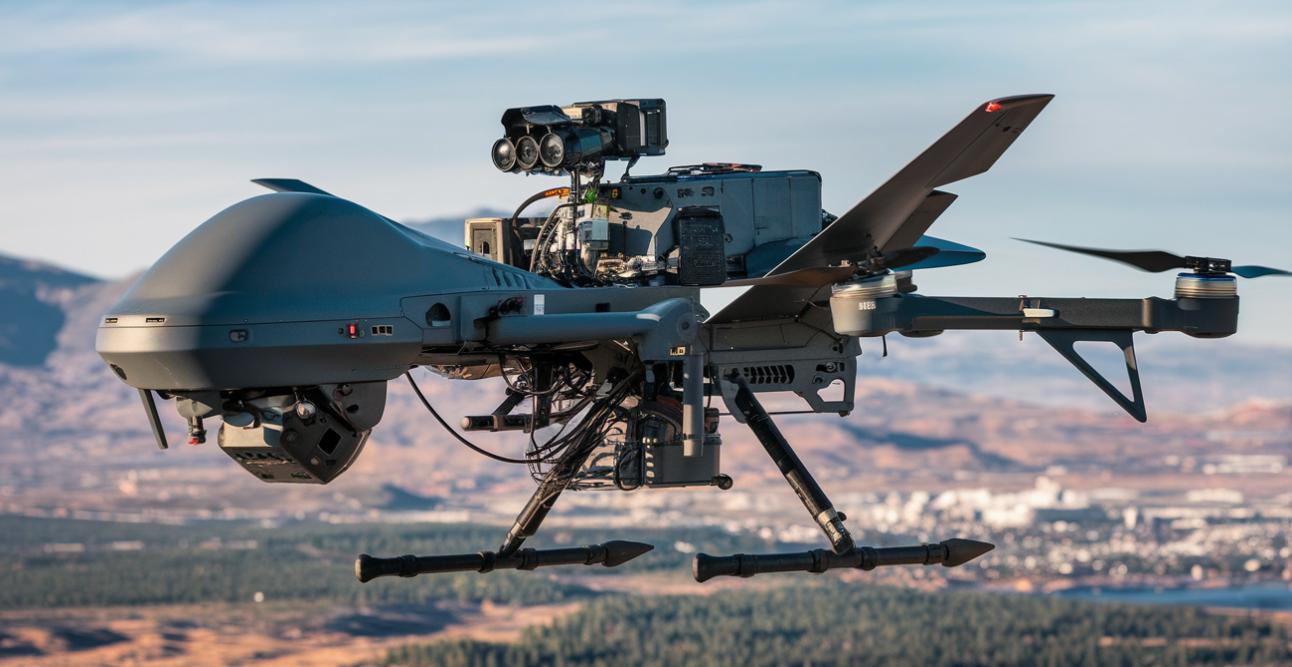
Several countries are also exploring autonomous systems capable of operating in air, land, sea, and digital environments with reduced human involvement.
Security experts warn that accelerating competition may increase the risk of an international AI arms race.

International Regulators Discuss AI Rules
International organizations and policymakers continue discussing whether global rules should regulate military AI systems and autonomous weapons technologies.
The United Nations and several human rights groups have called for stronger oversight involving artificial intelligence applications in warfare.
The latest AI military ethics discussions include proposals requiring direct human control over lethal military decisions involving AI-assisted systems.
Supporters of regulation argue that international standards could reduce risks associated with autonomous weapons escalation and algorithmic decision-making errors.
However, defense officials caution that excessive restrictions could weaken national security capabilities during periods of geopolitical instability.
Artificial Intelligence Could Reshape Future Warfare
Military analysts increasingly believe artificial intelligence may transform future conflicts as dramatically as nuclear weapons, cyber warfare, or drone technology changed previous generations of defense strategy.
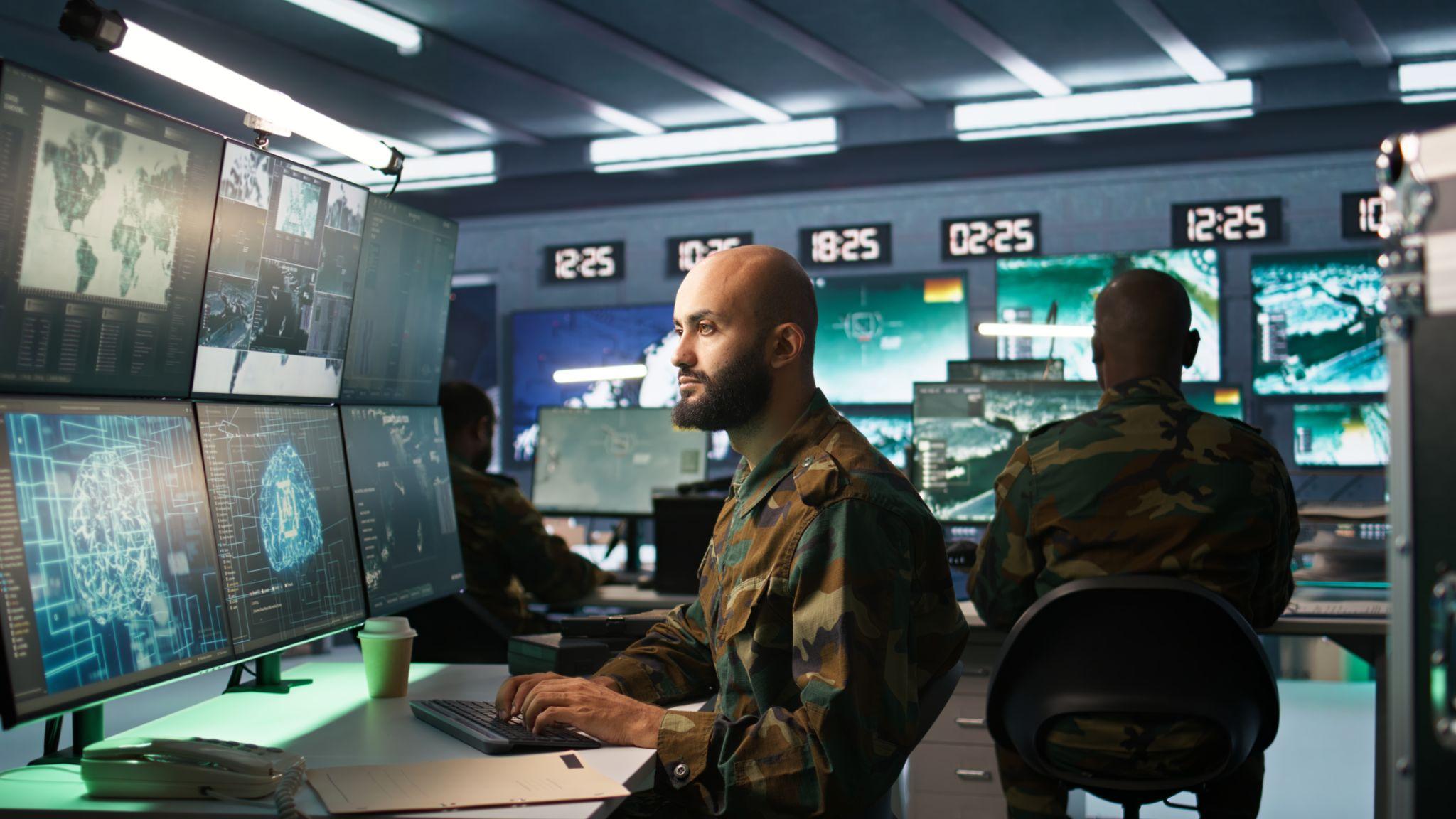
AI systems are already being used for intelligence analysis, surveillance operations, cybersecurity defense, battlefield simulations, and drone coordination.
The ongoing AI military ethics debate reflects concern about how quickly technological capabilities are advancing compared to regulatory oversight.
Critics warn that autonomous systems could make conflicts faster, less predictable, and potentially more difficult to control once deployed.
Supporters argue that AI may eventually reduce casualties through improved precision and operational accuracy.
Europe Faces Pressure to Compete in AI Innovation
European governments continue encouraging domestic AI development as competition with American and Chinese technology firms intensifies.
The latest AI military ethics controversy also highlights Europe’s efforts to balance ethical regulation with strategic technological independence.
French officials have repeatedly emphasized the importance of supporting European AI companies capable of competing internationally in both civilian and defense-related technologies.
Technology experts believe Europe may eventually adopt stricter military AI standards while continuing to support advanced research and innovation.
At the same time, security analysts warn that slower AI development could leave democratic nations vulnerable to foreign technological dominance.
History of Artificial Intelligence in Defense Systems
Timeline of Military AI Development
| Year | Major Development | Impact |
|---|---|---|
| 2010 | AI military research accelerated | Defense technology investment expanded |
| 2016 | Autonomous drone programs advanced | Ethical concerns intensified |
| 2020 | AI cybersecurity systems improved | Digital warfare capabilities strengthened |
| 2024 | Governments increased AI defense budgets | Global competition accelerated |
| 2026 | Military AI ethics debate intensifies | International regulation discussions expand |
Experts say military AI policy may become one of the defining geopolitical issues of the coming decade.
Investors Watch Defense Technology Markets Closely
Global investors continue monitoring military artificial intelligence because defense technology remains one of the fastest-growing sectors within advanced computing and cybersecurity industries.
The latest AI military ethics debate could influence future defense spending, government contracts, and AI regulation frameworks across multiple regions.
Companies involved in cybersecurity, autonomous systems, surveillance infrastructure, and battlefield data analysis may benefit from rising military AI investment.
However, political pressure and ethical concerns could also increase scrutiny over how artificial intelligence technologies are developed and deployed.
AI Ethics and Security Concerns Continue Growing
The expanding AI military ethics debate reflects the growing tension between technological innovation, national security priorities, and ethical responsibility.
Supporters argue artificial intelligence is becoming essential for future defense readiness and geopolitical competitiveness. Critics warn that rapid military AI expansion without international safeguards could create dangerous long-term consequences.
As governments and technology firms continue advancing AI capabilities, the global debate surrounding warfare ethics and artificial intelligence is expected to remain one of the most closely watched issues shaping future international security policy.