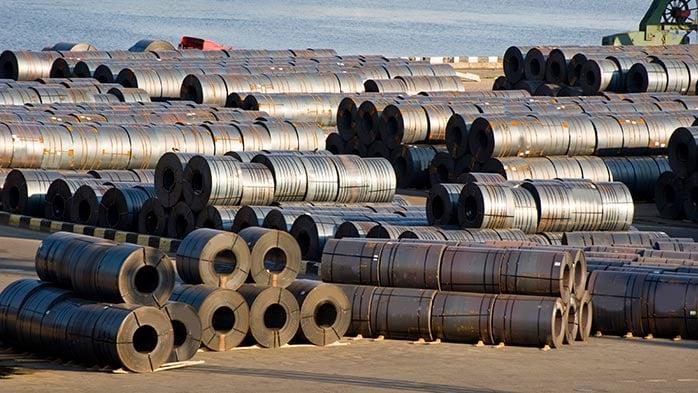
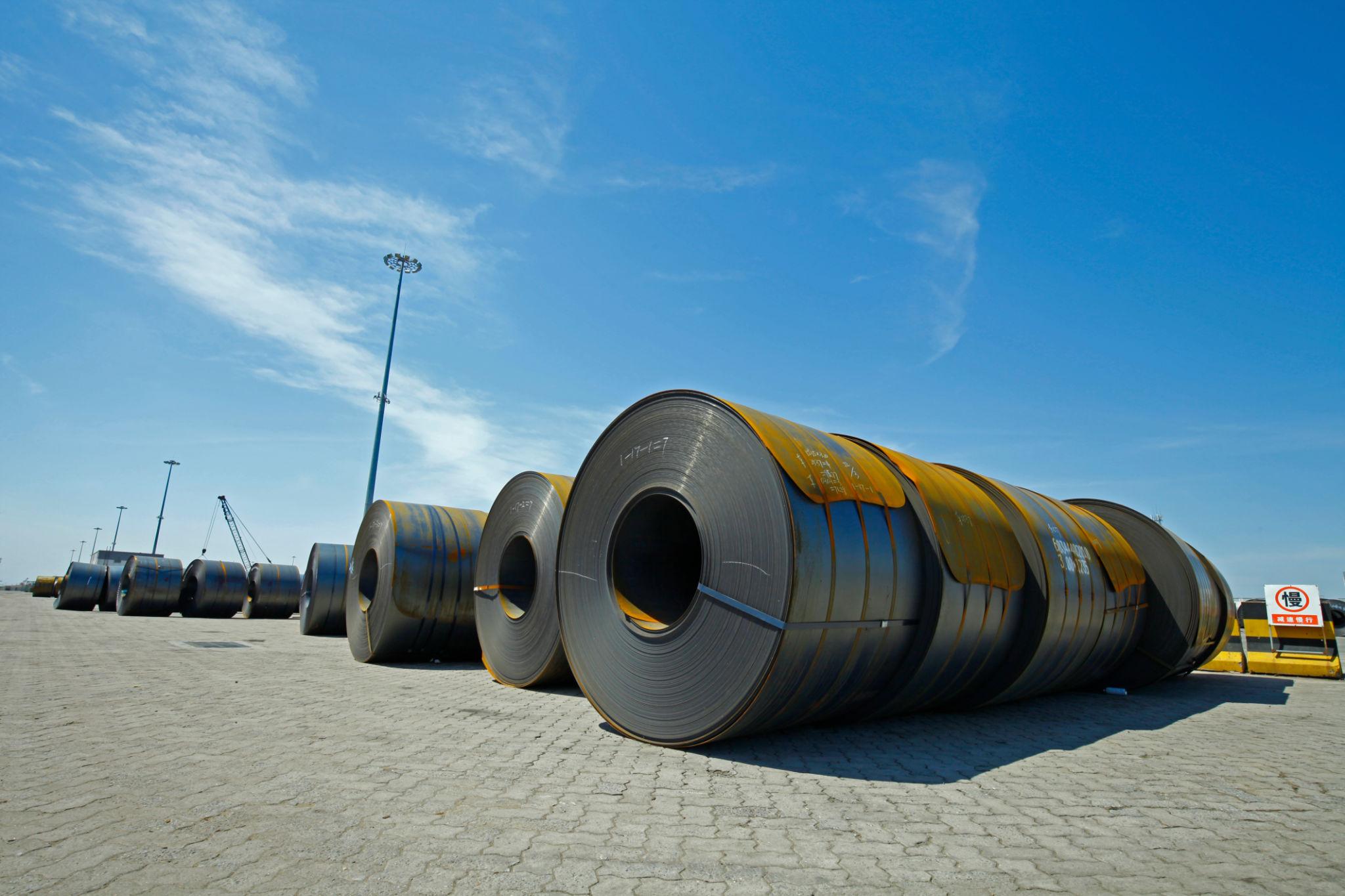
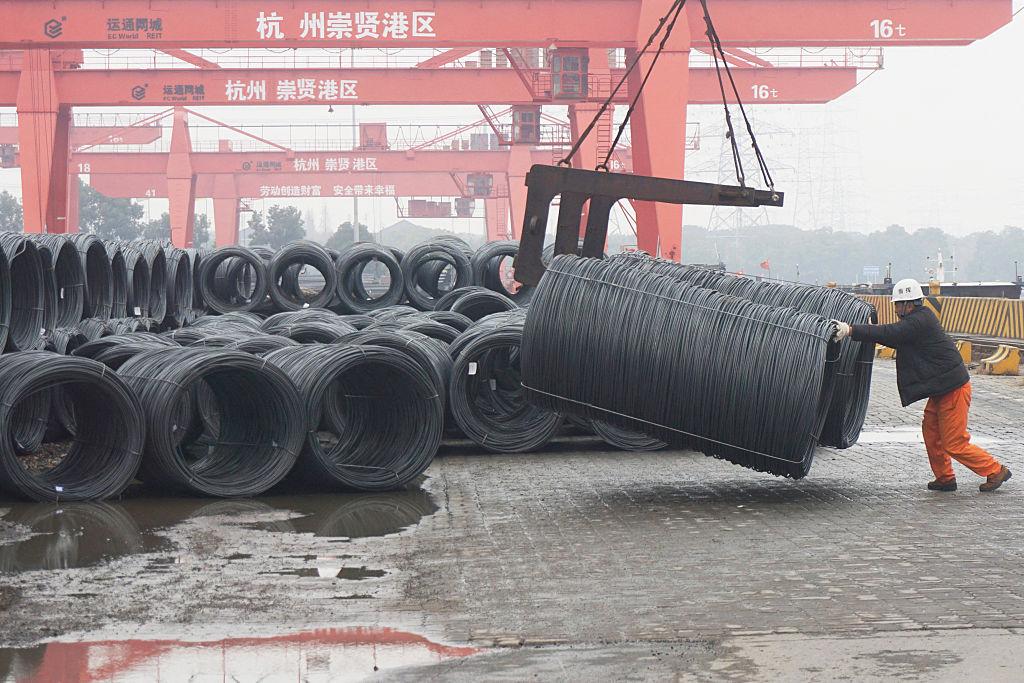
BEIJING, China – May 28 – Brussels Morning Newspaper — China steel exports are once again becoming a major focus in global trade discussions as European officials increase pressure on imported industrial materials amid growing concerns over oversupply, pricing competition, and long-term manufacturing stability.
Chinese authorities confirmed this week that discussions with the European Union are continuing regarding trade measures affecting steel shipments entering Europe. The renewed attention highlights rising tensions between major economic powers as industries across the globe face slowing growth and increasing market uncertainty.
The issue has become increasingly important for manufacturers, investors, and policymakers because steel remains one of the most essential materials for infrastructure, construction, transportation, and industrial production worldwide.
A trade analyst based in Singapore stated,
“Steel has become more than an industrial commodity — it is now deeply connected to geopolitical strategy and economic security.”
European Industry Pushes for Greater Market Protection
European steel producers have argued that rising import volumes are creating difficult competitive conditions for domestic manufacturers already facing higher energy prices and stricter environmental regulations.
Several industry groups within Europe claim that lower-cost imports from Asia are pressuring profit margins and weakening long-term investment confidence. As a result, EU policymakers continue reviewing safeguard mechanisms and trade defense measures designed to protect local production capacity.
The latest negotiations involving China steel exports come during a period when many European governments are prioritizing industrial independence and supply chain resilience.
Manufacturers across Germany, France, Italy, and other industrial economies remain highly sensitive to changes in commodity pricing and international trade rules.
China Looks to Maintain Export Stability
China continues to dominate global steel production, accounting for more than half of worldwide output. However, weaker domestic construction activity and slowing property development have increased the importance of overseas demand for Chinese producers.
Maintaining stable export markets has therefore become a strategic economic objective for Beijing.
Chinese officials argue that international trade should remain open and balanced while avoiding excessive restrictions that could disrupt supply chains or increase manufacturing costs globally.
The Ministry of Commerce indicated that communication with European officials remains active and constructive despite ongoing disagreements surrounding quotas and market safeguards.
Analysts believe Chinese exporters are especially focused on maintaining access to Europe because the region remains one of the world’s largest industrial economies.
Global Manufacturing Sector Faces Economic Uncertainty
The debate surrounding China steel exports is taking place during broader global economic uncertainty. Industrial demand in several major economies has weakened due to inflation pressures, higher borrowing costs, and slower consumer spending.
Construction activity in parts of Europe and Asia has also cooled compared to previous years, reducing steel consumption growth expectations.
At the same time, geopolitical tensions and supply chain disruptions continue influencing commodity markets and manufacturing investment decisions worldwide.
Many governments are increasingly attempting to balance free trade principles with national industrial protection strategies.
This shift is reshaping global trade relationships across sectors including steel, electric vehicles, renewable energy technology, and advanced manufacturing.
Trade Negotiations Could Influence Commodity Markets
Financial markets are closely watching developments involving Europe and China because the outcome could influence commodity pricing, shipping activity, and industrial investment decisions throughout 2026.
Steel prices remain highly sensitive to trade restrictions, tariffs, and shifts in manufacturing demand.
Large industries including automotive production, heavy machinery, shipbuilding, and infrastructure development all rely heavily on predictable steel supplies and stable pricing environments.
Any escalation in trade disputes could increase volatility across industrial markets.
Meanwhile, investors continue monitoring whether negotiations can reduce uncertainty and support broader economic stability between China and Europe.
Historical Steel Disputes Continue to Shape Policy Decisions
History of Global Steel Trade Tensions
Trade disputes involving steel are not new. Governments around the world have frequently imposed tariffs and safeguard measures during periods of economic stress or industrial oversupply.
| Year | Event | Market Impact |
|---|---|---|
| 2002 | U.S. steel tariffs introduced | Global trade tensions increased |
| 2018 | Multiple international tariffs expanded | Steel prices became volatile |
| 2021 | EU safeguard measures extended | European import controls tightened |
| 2024 | Oversupply concerns intensified | Manufacturers faced pricing pressure |
| 2026 | China-EU talks continue | Investors monitor global trade stability |
Experts say historical trade cycles often repeat during periods of slowing industrial growth and heightened geopolitical competition.
Industrial Markets Await Further Developments
The future direction of China steel exports will likely depend on the outcome of negotiations between Beijing and Brussels over the coming months.
Trade experts believe both sides have strong economic incentives to avoid a major escalation, particularly given fragile global growth conditions and ongoing manufacturing challenges.
Possible outcomes may include revised import quotas, updated tariff structures, or expanded industrial cooperation agreements.
For now, manufacturers, investors, and policymakers remain focused on whether the discussions can stabilize global steel markets and reduce uncertainty across international trade networks.
Steel Trade Talks Could Shape Global Industry
The latest discussions surrounding China steel exports underscore how industrial trade has become increasingly tied to broader geopolitical and economic strategy. Europe is seeking to protect domestic manufacturing, while China aims to preserve stable overseas demand during a period of economic transition.
As negotiations continue, the decisions made by both sides could influence global steel pricing, industrial investment, and international trade policy well beyond 2026.
For businesses and financial markets alike, the outcome may become one of the most closely watched industrial trade developments of the year.