
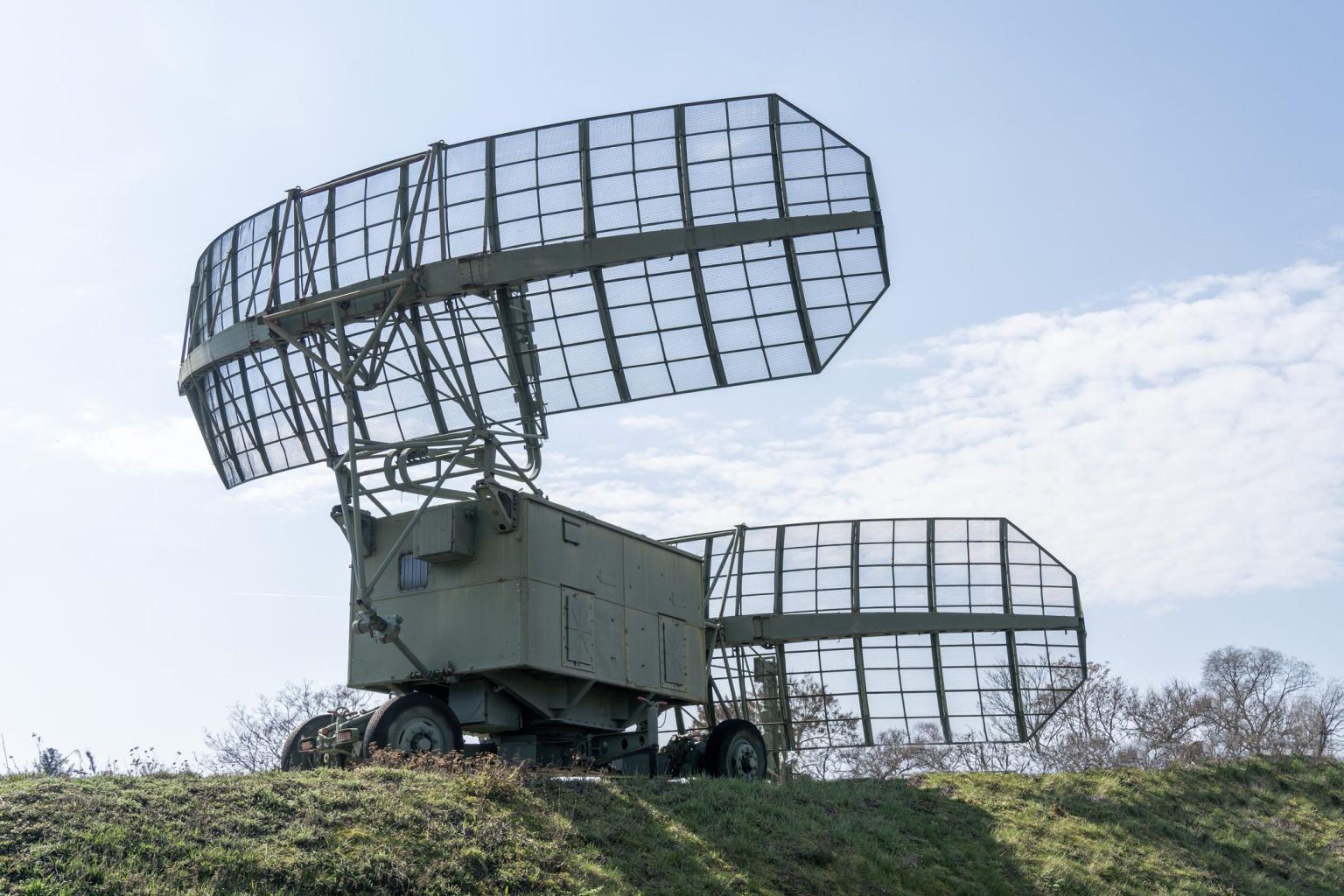
VILNIUS, Lithuania – May 26 – Brussels Morning Newspaper — Baltic security crisis concerns escalated after Lithuanian officials warned that Russia possesses the capability to falsify GPS signals deep into Europe. The warning has intensified regional anxiety surrounding aviation safety, NATO defense coordination, cybersecurity risks, and the growing use of electronic warfare technologies near Europe’s eastern borders.
- Lithuania Warns Europe About Advanced GPS Spoofing Risks
- Aviation Sector Faces Growing Navigation Threats
- NATO Expands Electronic Warfare Defenses
- Why GPS Spoofing Is Becoming a Major Security Concern
- Baltic Region Remains a Strategic Flashpoint
- Europe Increases Infrastructure Protection Measures
- Shipping Industry Monitors Baltic Navigation Risks
- Historical Background of Electronic Warfare in Europe
- Economic Risks Could Spread Beyond Defense Sectors
- Europe Faces a New Era of Invisible Threats
- Baltic Security Crisis Expands Beyond Military Concerns
Lithuanian authorities stated that modern signal spoofing technology can manipulate navigation systems far beyond immediate conflict zones, potentially affecting aircraft, shipping routes, telecommunications, and critical infrastructure throughout Europe.
The statement comes during a period of heightened geopolitical tension between Russia and NATO countries following ongoing instability in Eastern Europe and increased military activity across the Baltic region.
“Electronic warfare is becoming one of the defining security challenges of modern Europe,”
a regional defense analyst said during a Baltic security conference.
Lithuania Warns Europe About Advanced GPS Spoofing Risks
Lithuanian defense officials explained that GPS spoofing differs significantly from traditional signal jamming. Instead of blocking navigation systems entirely, spoofing sends manipulated satellite data designed to mislead aircraft, vessels, or infrastructure systems into calculating false positions.
Security experts warn that the broader danger lies in the subtle nature of spoofing operations, which may not immediately trigger alarms while still causing operational confusion or safety risks.
Several European aviation agencies have reportedly monitored increasing navigation anomalies over parts of Northern and Eastern Europe over the past year.
The Baltic security crisis has therefore expanded beyond military concerns into broader discussions about civilian transportation safety and infrastructure protection.
Aviation Sector Faces Growing Navigation Threats
Commercial aviation remains one of the industries most vulnerable to electronic interference. Modern aircraft depend heavily on satellite navigation systems for flight routing, landing assistance, communication synchronization, and operational safety.
Airline operators in Europe have increasingly reviewed emergency navigation procedures amid reports of signal irregularities near the Baltic region.
Experts say spoofed navigation signals could create dangerous conditions during poor weather operations or congested airspace situations if crews receive inaccurate positioning information.
Several airlines have already expanded pilot training programs focused on identifying GPS interference and transitioning to backup navigation systems when necessary.
“Preparedness is critical because electronic threats can emerge without warning,”
an aviation consultant stated.
“The industry is adapting quickly to a changing operational environment.”
European regulators continue working with military and cybersecurity agencies to improve regional monitoring capabilities.
NATO Expands Electronic Warfare Defenses
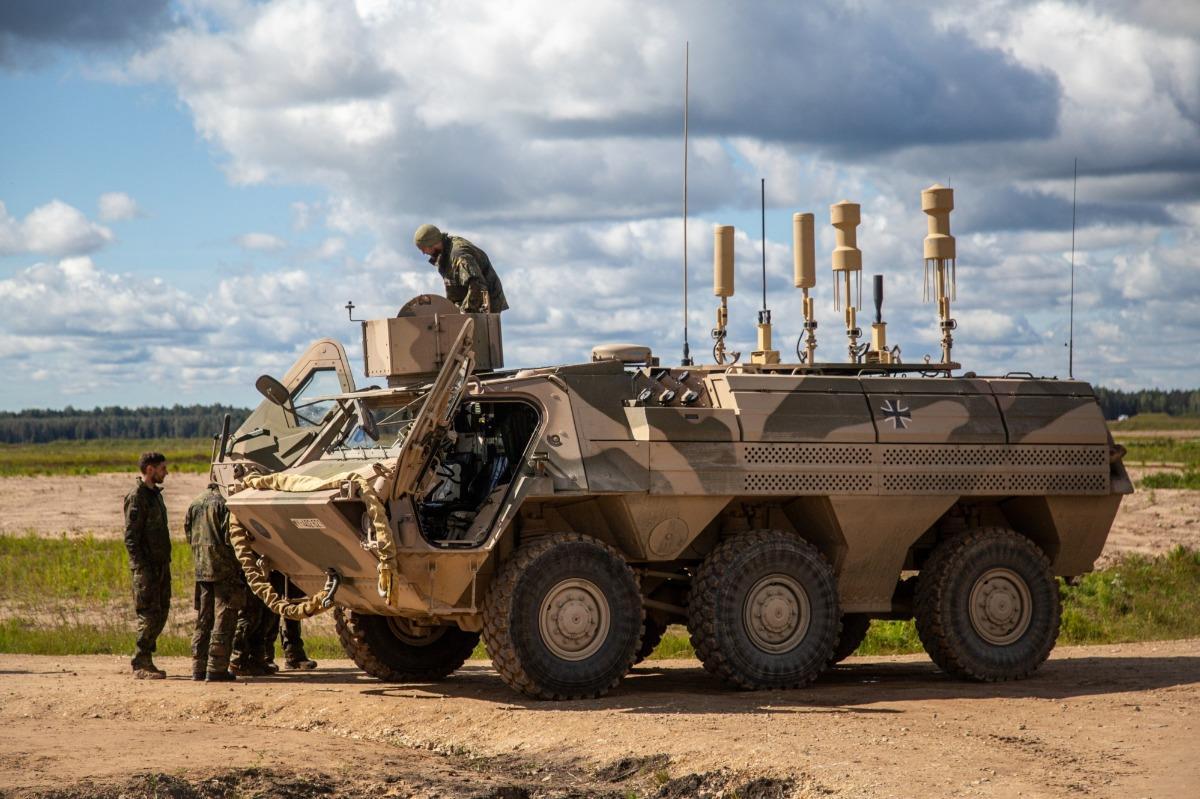
The Baltic security crisis has accelerated NATO discussions surrounding electronic warfare defense systems and critical infrastructure resilience.
Military analysts increasingly view navigation manipulation as a major component of modern hybrid warfare strategies. Unlike conventional attacks, electronic interference can disrupt both civilian and military systems simultaneously without immediate physical confrontation.
Several NATO member states have increased investments in:
- Radar modernization
- Signal verification technologies
- Cybersecurity coordination
- Backup communication systems
- Electronic warfare detection platforms
Baltic and Nordic nations remain especially focused on strengthening regional preparedness because of their geographic proximity to Russia.
Defense planners believe electronic warfare capabilities will play a larger role in future geopolitical conflicts.
Why GPS Spoofing Is Becoming a Major Security Concern
GPS spoofing works by transmitting counterfeit satellite signals capable of overriding authentic navigation data received by aircraft, ships, or electronic systems.
Unlike direct cyberattacks targeting internal networks, spoofing manipulates external information streams, which can complicate detection efforts.
Security researchers say advanced electronic interference may affect:
- Commercial airlines
- Maritime shipping
- Emergency response systems
- Military operations
- Telecommunications networks
- Financial transaction timing systems
- Supply chain logistics
Because modern economies rely heavily on synchronized digital infrastructure, even limited navigation disruptions could create significant operational consequences.
The Baltic security crisis has therefore become closely linked to broader concerns about technological vulnerabilities in highly connected societies.
Baltic Region Remains a Strategic Flashpoint
The Baltic region continues serving as one of Europe’s most sensitive geopolitical areas due to its proximity to Russia and its importance within NATO defense planning.
Lithuania, Latvia, and Estonia have repeatedly urged Western allies to strengthen regional defenses against emerging electronic and cyber threats.
Recent tensions surrounding military deployments, cyber incidents, and infrastructure security have increased fears that electronic warfare could become a larger component of regional instability.
Analysts note that modern conflicts increasingly involve:
- Cyberattacks
- Electronic disruption
- Disinformation campaigns
- Economic pressure tactics
- Infrastructure targeting
As a result, NATO countries are adapting security strategies to address threats that may occur without direct military engagement.
Europe Increases Infrastructure Protection Measures
European governments are now expanding efforts to protect transportation systems, communications networks, energy infrastructure, and financial systems from electronic disruption.
Authorities throughout Northern Europe have upgraded monitoring systems designed to identify suspicious navigation anomalies before they create operational problems.
The European Union has also intensified discussions regarding long-term infrastructure resilience as dependence on digital systems continues growing across the continent.
Experts say future security planning will likely focus heavily on redundancy and resilience strategies, including:
- Alternative navigation systems
- Backup communications infrastructure
- Cybersecurity integration
- Emergency coordination upgrades
- Electronic warfare response training
These measures are intended to reduce vulnerabilities during periods of geopolitical instability.
Shipping Industry Monitors Baltic Navigation Risks
The maritime industry is also paying close attention to developments connected to the Baltic security crisis.
Commercial shipping companies rely extensively on satellite navigation systems for route planning, collision avoidance, and cargo logistics. Any increase in navigation manipulation could affect shipping efficiency and maritime safety throughout Europe.
Analysts warn that disruptions involving maritime navigation may also impact:
- International trade flows
- Insurance costs
- Port operations
- Fuel logistics
- Regional supply chains
Several global shipping routes near strategically sensitive waterways have already experienced isolated navigation anomalies over recent years.
Industry experts continue calling for stronger international coordination to address electronic warfare risks affecting civilian transportation sectors.
Historical Background of Electronic Warfare in Europe
| Year | Major Event | Regional Impact |
|---|---|---|
| 2014 | Crimea tensions increased military monitoring | NATO expanded Baltic security focus |
| 2018 | Baltic aviation GPS anomalies reported | Aviation safety reviews intensified |
| 2022 | Eastern Europe conflict escalated | Electronic warfare concerns expanded |
| 2025 | Multiple navigation disruptions investigated | Regional defense spending increased |
| 2026 | Lithuania warns spoofing reaches deep into Europe | NATO strengthens resilience planning |
The Baltic security crisis reflects how modern geopolitical competition increasingly involves digital and electronic tools alongside traditional military capabilities.
Economic Risks Could Spread Beyond Defense Sectors
Analysts warn that electronic navigation disruptions may eventually create broader economic consequences if incidents become more frequent.
Potential risks include:
- Airline delays
- Shipping disruptions
- Telecommunications instability
- Financial timing system errors
- Supply chain interruptions
- Increased cybersecurity expenses
Because satellite timing systems support countless industries, disruptions affecting navigation infrastructure could extend far beyond defense-related operations.
Businesses dependent on logistics, aviation, and digital communications are increasingly reviewing contingency strategies to minimize operational risks.
Europe Faces a New Era of Invisible Threats
The latest warning from Lithuania highlights how invisible technological threats are becoming central to modern national security discussions.
European officials continue emphasizing preparedness, infrastructure resilience, and international coordination as electronic warfare capabilities evolve.
The Baltic security crisis demonstrates that future geopolitical competition may increasingly involve control over digital systems, navigation networks, and communication infrastructure rather than solely traditional military force.
“Modern security challenges now exist in both physical and electronic domains,”
a European security specialist said.
“Protecting digital infrastructure is becoming just as important as protecting borders.”
Baltic Security Crisis Expands Beyond Military Concerns
The Baltic security crisis has entered a new phase following Lithuania’s warning about Russia’s ability to falsify GPS signals deep into Europe. Governments, airlines, military planners, and infrastructure operators now face increasing pressure to strengthen defenses against sophisticated electronic warfare threats.
As Europe adapts to evolving security risks, electronic resilience and technological preparedness are expected to become major priorities for NATO and regional governments throughout 2026 and beyond.
The situation also underscores how modern geopolitical tensions increasingly affect civilian infrastructure, transportation systems, and economic stability alongside traditional defense concerns.